 LEAP26
 AI
AI Saudi Arabia
 UAE
UAE Egypt
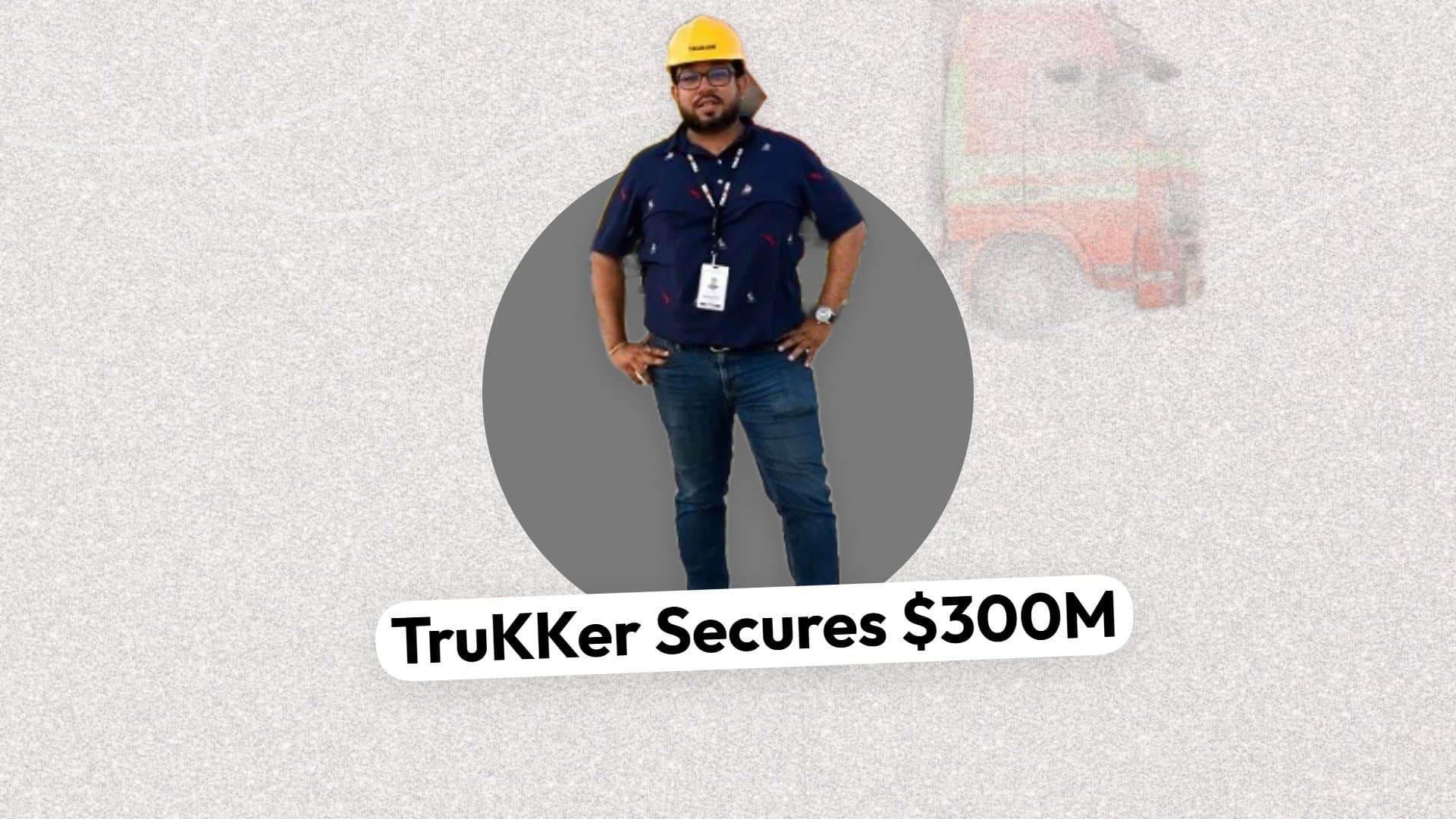
EgyptTruKKer Secures $300M Securitisation to Fuel MENA Freight Expansion

4 min
TruKKer secured a $300 million, Sharia-compliant facility backed by trade receivables.
It chose asset-backed securitisation over equity, avoiding further shareholder dilution.
The platform uses AI to match loads, cut “empty truck runs”, and streamline pricing.
Funds will support expansion across the UAE, Saudi Arabia and Turkey.
The deal signals maturing Gulf startups tapping institutional finance over venture rounds.
UAE-based digital freight platform TruKKer has secured a financing facility of up to $300 million, marking one of the region’s more sophisticated funding plays in recent months. Rather than going down the usual venture capital route, the company opted for an asset-backed securitisation deal linked to its trade receivables, essentially raising capital against money it expects to collect from ongoing operations.
The facility was arranged and fully funded by Abu Dhabi Commercial Bank (ADCB), and structured under Sharia-compliant Murabaha principles. In simple terms, the financing is backed by real operational cash flows instead of corporate guarantees. That may sound technical, but it signals something important: TruKKer is leaning on its existing revenue engine rather than diluting shareholders with a fresh equity round.
I reckon that’s a telling move. Across MENA, we’re seeing later-stage tech firms become more creative with capital. Equity can be brilliant in early days, but constant dilution? Well… it can be a bit of a faff when you’re trying to build long-term value.
Founded in 2016, TruKKer has grown into one of the largest digital land freight platforms across the Middle East and Central Asia. Its technology uses AI to match shippers with carriers, optimise routes, manage pricing, and cut down on empty truck runs, a persistent headache in a region where trucking ecosystems remain highly fragmented.
Anyone who has worked even loosely around logistics in the Gulf knows how messy cross-border freight can be. Different regulations, inconsistent pricing structures, idle capacity, you name it. TruKKer’s pitch is to bring order to that chaos through data and automation. And believe it or not, freight receivables, once considered dull back-office paperwork, are now being packaged as institutional-grade financial assets. That’s quite a shift.
The $300 million facility will support operations in key markets including the UAE, Saudi Arabia, and Turkey. These are corridors where trade volumes are rising fast, supported by heavy government investment in infrastructure and broader economic diversification strategies. Logistics has quietly become critical national infrastructure, and digital freight platforms are increasingly sitting at the centre of it all.
Unlike a conventional funding round, securitisation allows TruKKer to unlock liquidity directly from its operational assets while preserving ownership. On the flip side, it also puts pressure on maintaining strong and predictable cash flows. But the company appears confident enough in its scale to take that bet.
The broader picture is just as interesting. Gulf economies are doubling down on supply chain resilience, transport digitisation, and smarter infrastructure. Freight platforms are no longer seen as simple intermediaries; they are becoming connective tissue between manufacturers, ports, distributors and retailers. If that sounds dramatic, it isn’t, logistics inefficiencies ripple across entire economies.
From an ecosystem perspective, moves like this feel spot on. At Arageek, we often talk about founders needing to think beyond traditional funding models as they mature. TruKKer’s transaction reflects a startup stepping closer to infrastructure status, and that’s no small feat in a sector that has historically been anything but digital.
There’s still competition in the regional freight tech space, of course. No one is sitting idle. But with $300 million in financial firepower, TruKKer has given itself serious room to expand its digital network, improve carrier performance, and scale operations across its footprint.
In a market where raising capital has become tougher over the past two years, tapping institutional financing like this feels definitly strategic rather than opportunistic. And if this structure proves successful, don’t be surprised if more later-stage startups across MENA follow suit.
🚀 Got exciting news to share?
If you're a startup founder, VC, or PR agency with big updates—funding rounds, product launches 📢, or company milestones 🎉 — AraGeek English wants to hear from you!




✉️ Send Us Your Story 👇