 LEAP26
 AI
AI Saudi Arabia
 UAE
UAE Egypt
EgyptMoneyHash and Amwal Team Up to Simplify Saudi Instalment Payments

3 min
Payment habits in Saudi Arabia are shifting, with instalments becoming expected rather than optional.
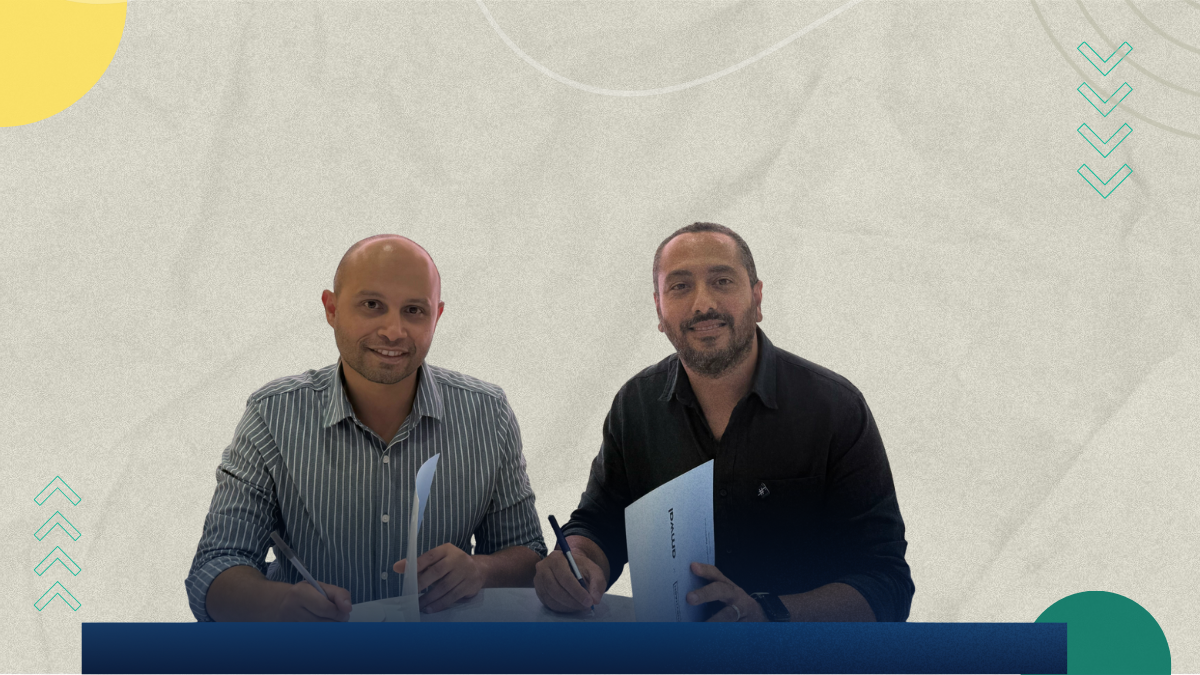
MoneyHash and Amwal Tech have partnered to integrate high-limit credit-card instalment solutions.
Merchants can offer flexible instalments via MoneyHash’s unified API, enhancing customer payment options.
This collaboration aims to modernise financial infrastructure and boost digital payments in the GCC.
The partnership streamlines operations for merchants and highlights influential players in payment orchestration.
It’s been interesting watching how payment habits shift across the region, especially here in Saudi Arabia where instalments have quietly gone from a “nice extra” to something customers almost expect. I remember chatting with a young founder at an Arageek event last year who joked that offering instalments had become “the new free delivery”. He wasn’t far off the mark.
So when MoneyHash and Amwal Tech revealed they’re joining forces, it felt spot on. MoneyHash, which has carved out a solid role as a payment‑orchestration layer for emerging markets, is now integrating Amwal’s high‑limit credit‑card instalment solutions directly into its platform. For merchants, this means they can activate flexible instalments without the usual faff of multiple integrations. And believe it or not, that single technical barrier is often what slows businesses down the most.
Nader Abdelrazik, MoneyHash’s co‑founder and CEO, put it bluntly in a statement: instalments are no longer optional—they’re a growth tool. Their orchestration layer is designed to help merchants plug such options in quickly, and this partnership gives them another lever to pull in a market where customer spending styles are evolving fast.
On the flip side, Amwal gains a wider distribution channel. The company has been pushing to make payments “smarter and more accessible”, as co‑founder Reda Reda said. And with Saudi consumers increasingly comfortable with structured payments—especially for higher‑ticket purchases—it’s a move that feels both timely and quite strategic. I reckon this is the kind of collaboration that nudges the whole ecosystem forward, not just the two companies involved.
For merchants, the practical benefit is clear: they can now offer flexible instalment plans through MoneyHash’s unified API, which already connects to regional rails like Mada, KNET, and Meeza. That reduces friction and opens the door to capturing customers who might hesitate at a full upfront payment. It’s the sort of small operational upgrade that, in my experience, can quietly shift revenue curves.
Both companies frame this as part of a bigger picture—Saudi Arabia’s accelerating digital‑payments landscape and the push to modernise financial infrastructure across the GCC. And yes, it’s easy to get caught up in all the buzzwords, but here… well, I mean, the impact feels tangible. More choice for customers. More tools for merchants. Less headache for engineers. What’s not to like?
If there’s one tiny caveat, it’s that orchestration platforms can become a bit crowded, and keeping everything running smoothly across so many partners is definately complex. But the demand is there, and partnerships like this tend to signal which players are becoming indispensable.
For those of us at Arageek who spend half our days talking to founders navigating payment chaos, this kind of streamlining doesn’t just sound good—it sounds like relief.
🚀 Got exciting news to share?
If you're a startup founder, VC, or PR agency with big updates—funding rounds, product launches 📢, or company milestones 🎉 — AraGeek English wants to hear from you!
✉️ Send Us Your Story 👇