 LEAP26
 AI
AI Saudi Arabia
 UAE
UAE Egypt
EgyptUAE Advances Drone Delivery with Successful Pilot in Remote Liwa

3 min
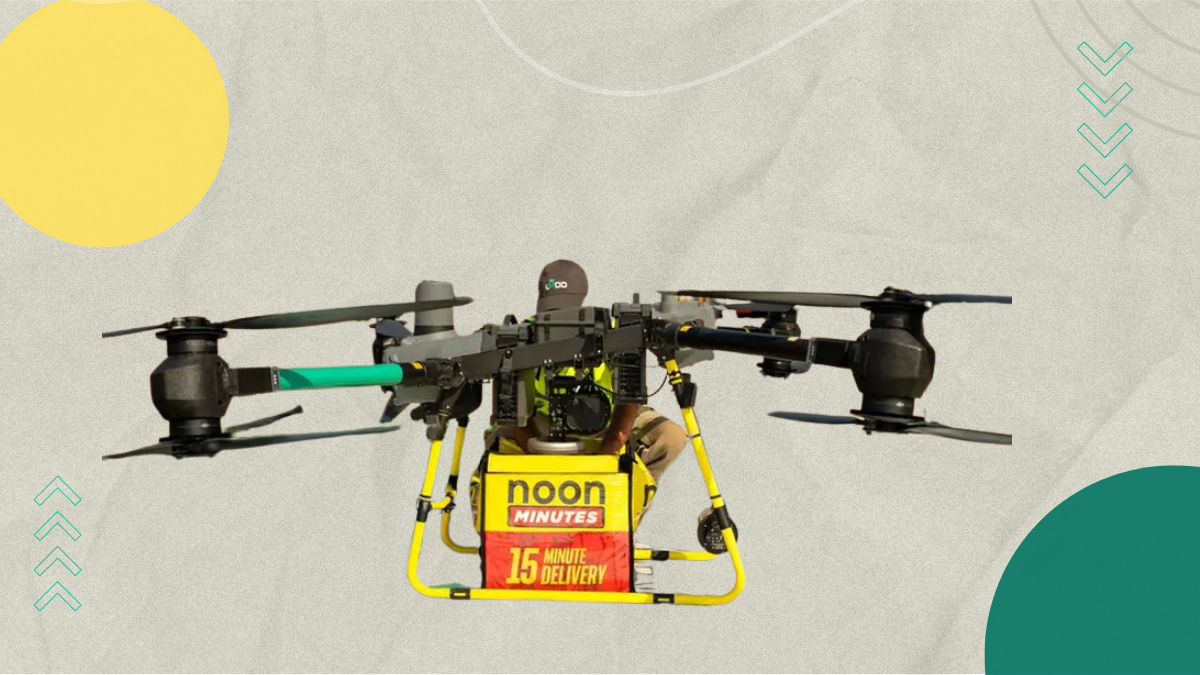
Lodd Autonomous and Noon conducted a successful autonomous drone delivery in the Al Dhafra Region.
The pilot, supervised by Abu Dhabi's Integrated Transport Centre, showcases future logistics potential.
Drones could revolutionise last-mile delivery, especially in remote areas like Liwa.
Though challenges remain, this trial hints at genuine change for startups.
The project suggests drones can become essential infrastructure, not just experimental tech.
When I first heard that Lodd Autonomous and Noon had pulled off an autonomous drone delivery in Liwa, tucked away in the Al Dhafra Region, I wasn’t entirely surprised. The UAE has a habit of pushing boundaries in ways that make the rest of us rethink what’s actually possible. Still, seeing this pilot run confirmed under the supervision of Abu Dhabi’s Integrated Transport Centre — with backing from the Smart and Autonomous Systems Council — felt like one of those moments where the future suddenly steps a bit closer.
The core of the trial was simple enough: prove that drones can handle deliveries in remote areas without needing the usual maze of roads and infrastructure. And believe it or not, that’s exactly what happened. The drone took off, did its job, and landed without a fuss… which, for anyone who’s ever seen early drone trials wobble about like a lost pigeon, is spot on progress.
From my side at Arageek, I’ve watched countless founders across the MENA region bang their heads against the wall trying to get logistics right. Last-mile delivery can be a bit of a faff, especially in places where roads are sparse or weather turns tricky. So seeing a test like this succeed is, I reckon, more than just a neat demo — it hints at genuine change for startups trying to scale in overlooked areas. On the flip side, we’ve all seen flashy pilots before that never quite make it to full rollout, so I’m keeping expectations balanced.
What struck me most, though, is how this kind of experiment reflects a broader shift. It’s no longer about drones as toys or showpieces; it’s about drones as actual infrastructure. And that matters in places like Liwa, where communities are spread out and traditional delivery is often slow, costly or, well… I mean, just impractical.
If this project keeps moving forward, it could unlock opportunities not only for major platforms like Noon but also for smaller startups dreaming of leaner, smarter logistics solutions. One founder once told me that if drones ever became reliable at scale, it would feel like someone had “opened a secret door in the market.” I was chuffed to bits with that line at the time, and it keeps coming back to me in moments like this.
Of course, it’s early days. A single successful run doesn’t guarantee a nationwide network, and there’s still regulation, safety, and public trust to sort out — all the usual hurdles that tend to slow down good ideas. But the signal is clear: the tech is ready to be tested in the real world, not just in polished presentations.
So while this pilot won’t change everything overnight, it definately nudges the region a step closer to smarter, more resilient delivery systems — the kind many entrepreneurs around here have been quietly hoping for.
🚀 Got exciting news to share?
If you're a startup founder, VC, or PR agency with big updates—funding rounds, product launches 📢, or company milestones 🎉 — AraGeek English wants to hear from you!






✉️ Send Us Your Story 👇