 Ai Everything
 LEAP26
 AI
AI Saudi Arabia
 UAE
UAE Egypt
EgyptWarba Bank’s Rowad 6.0 Sparks GCC’s Next Wave of Tech Innovators

4 min
Warba Bank’s Rowad programme nurtures young talent from GCC countries with real-world innovation skills.
Participants include 25 students from top universities, focusing on AI, fintech, and cybersecurity.
The programme emphasizes mentorship, bridging academic theory with market-ready projects and real-world applications.
Rowad, now allied with DIFC Innovation Hub, inspires global fintech exposure and economic advancement.
Teams refine projects for December 2025 pitches, underpinning a future-ready economy with innovation.
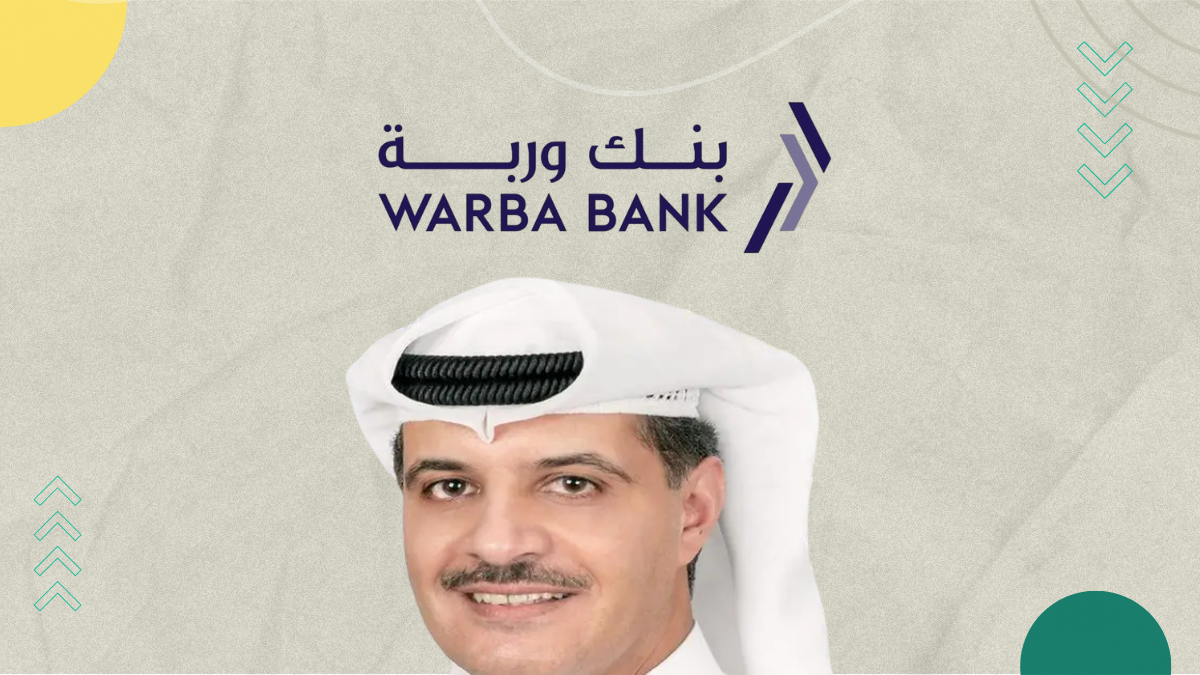
Warba Bank’s Rowad programme has quietly grown into one of those initiatives that seems to hit the right notes at just the right moment. The sixth edition, Rowad 6.0, is now at its halfway mark, and from the sound of it, students from across Kuwait and the wider GCC are already moving from bright ideas to proper, real-world prototypes. I’ve seen a fair few youth programmes around the region through Arageek, but this one keeps popping up in conversations—usually with someone saying it’s “spot on” for the kind of talent the Gulf is trying to nurture.
This year’s cohort brings together 25 students from Kuwait, Saudi Arabia, Bahrain and Oman, spread across top universities like Oxford, Durham and UCL. Their fields tell you everything about where the region’s ambitions lie: AI, fintech, cybersecurity, biomedical engineering—you name it. And believe it or not, despite the heavy academic backgrounds, the atmosphere seems anything but dry.
Anwar Bader Al-Ghaith, Warba Bank’s Deputy CEO for Support Services and Treasury, put it in a way that stuck with me. He said the midpoint isn’t just a box to tick; it’s where you see early ideas taking shape as solid, properly structured projects. For him, the shift from classroom theory to market-ready thinking is the real turning point. I reckon he’s right—bridging that gap is usually a bit of a faff for young innovators, but when they get it right, you can almost see the confidence forming.
What struck me is how much emphasis Warba Bank places on mentorship. Participants work closely with industry specialists, leadership coaches and Bank executives, which Al-Ghaith described as the foundation for building entrepreneurs rather than just future employees. And on the flip side, it's clear the Bank sees this as an investment in the long-term economic fabric of Kuwait and the Gulf, rather than a feel-good CSR exercise.
The students themselves seem chuffed to bits with the experience. Anas Al-Haddad, a PhD researcher in Engineering and Innovation Management at the University of Manchester, said the programme gave him a chance to apply academic research in a way that aligns with real market demands. Meanwhile, Aya Al-Owaish from Cardiff University highlighted how working in mixed teams sharpened her communication and leadership skills. And then there’s Khaled Al-Muzayad from Queen Mary University of London, who said the technical challenges pushed him far beyond textbook learning. That kind of feedback doesn’t sound scripted—more like the honest relief of students finally seeing where all those late-night study sessions might lead.
Rowad has come a long way. What started as an internal training initiative for Warba employees is now attracting students from across the GCC who are studying in Europe. Nearly 100 young people have completed the programme over the past five years, producing around 25 projects in areas like fintech and digital banking—some of which have already made their way into improving customer experiences.
The partnership with DIFC Innovation Hub has also become one of Rowad’s strongest pillars. By blending Islamic finance expertise from Kuwait with Dubai’s bustling innovation ecosystem, participants get direct exposure to global fintech trends, startups and major financial players. For any young innovator, that’s a goldmine—even if navigating such networks can be a tad overwhelming at first.
All of this ties neatly into Warba Bank’s motto, “Let’s Own Tomorrow,” which appears to be more than a marketing slogan. Whether you look at their digital banking push or the scale of the Rowad programme, there’s a consistent thread: invest in people now to build an economy that lasts. And well… I mean, that’s hardly a new idea, but seeing it executed with this level of structure is refreshing.
As Rowad 6.0 enters its second phase, teams are now refining prototypes through virtual workshops, weekly check‑ins and close mentorship. They’ll eventually pitch their projects in December 2025, which sounds far away until you remember how fast a year disappears when you’re knee‑deep in an innovation sprint. One of the organisers joked that the final stretch is where things get “real real”—definately the moment where late nights become the norm.
If there’s anything the MENA startup scene has taught us at Arageek, it’s that early exposure to real problems—and real feedback—can change the entire trajectory of a young innovator’s career. Rowad 6.0 seems to be doing exactly that, quietly shaping the next wave of talent that might just steer the region into its next tech chapter.
🚀 Got exciting news to share?
If you're a startup founder, VC, or PR agency with big updates—funding rounds, product launches 📢, or company milestones 🎉 — AraGeek English wants to hear from you!



✉️ Send Us Your Story 👇