 LEAP26
 AI
AI Saudi Arabia
 UAE
UAE Egypt
EgyptAI Supercharges MENA’s Culinary Scene with Foodics’ Intelligent Insights

4 min
AI has quietly reshaped food and beverage, from supply chains to kitchens.
Restaurants use AI to predict demand, cut waste and protect thin margins.
Saudi-based Foodics BI turns “mountains of data” into practical decisions.
Tools automate reporting, track trends and enable remote multi-branch management.
In MENA’s fast market, proper analytics is fast becoming “the cost of staying in the game”.
Artificial intelligence has been creeping into the food and beverage world for years now. Not in a dramatic, robots-in-the-kitchen way, but quietly, through smarter supply chains, tighter food safety controls, sharper forecasts. And lately, it’s becoming a proper force inside restaurants themselves.
Across the region, more operators are turning to AI-powered systems to handle the daily grind. From predicting demand to reducing food waste, these tools are helping restaurants cut through the noise and focus on what matters: margins, customers and consistency. It’s not exactly glamorous, but it’s spot on for an industry where small inefficiencies quickly eat into profits.
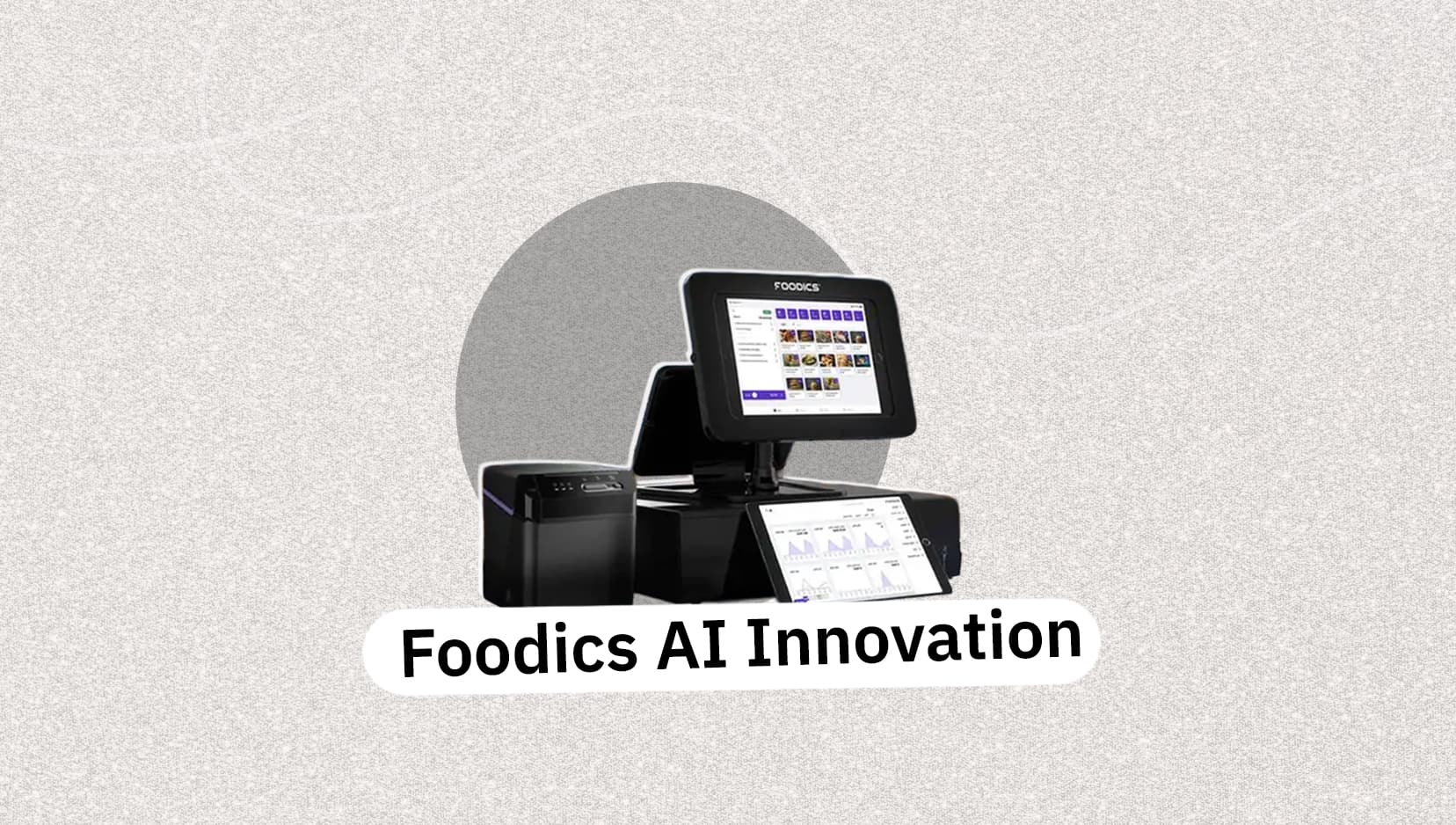
One of the companies pushing this shift in MENA is Foodics, the Saudi-born cloud-based restaurant operations and payments platform. Its AI-driven business intelligence solution, Foodics BI, is designed to help restaurateurs make sense of the mountain of data they generate every day. Sales numbers, peak hours, best-selling items, customer habits, it’s all there. The trick, of course, is turning that data into decisions.
And that’s where AI comes in.
Foodics BI analyses large volumes of real-time and historical data, offering insights into sales performance and buying behaviour. It also uses predictive analytics to forecast demand, helping restaurants plan inventory more accurately and reduce food wastage. In an industry grappling with rising costs and ever-changing customer expectations, that kind of foresight can make a real difference.
I’ve seen first-hand how founders across MENA sometimes treat data as something “nice to have” rather than critical infrastructure. At Arageek, we often speak about building startups that are data-informed from day one. Restaurants are no different. When margins are thin, guessing is a bit of a gamble you can’t afford.
Beyond forecasting, Foodics BI automates reporting and identifies seasonal trends by analysing historical patterns. It also supports remote management, so operators can monitor performance across branches without physically being on-site. For multi-branch restaurant groups, that flexibility is not just convenient, it’s becoming essential.
Over the past year, the tool has gained traction among restaurants looking to scale smarter. By transforming raw data into clear insights, it allows operators to tweak menus, refine marketing efforts and track performance more closely. In simple words, it helps them run tighter ships.
On the flip side, AI in F&B is not limited to restaurants. Across food production and distribution, AI systems are being used to detect defective or contaminated products, monitor manufacturing quality and improve consistency. In logistics, AI can optimise delivery routes to reduce spoilage and cut costs. Some systems even help identify functional ingredients and predict shelf life more accurately. It’s a broad shift, and we are only seeing the early innings.
That said, not every shiny tech solution is worth the hassle. I’m not a fan of adopting technology just for the buzz. But when it comes to tools that clearly improve operational clarity and profitability, I reckon the case is much stronger. In today’s market, running a restaurant without proper analytics feels a bit like driving blind.
AI will definately continue to reshape the F&B landscape as the technology matures. For restaurant owners trying to stay competitive in MENA’s fast-moving market, leaning into smarter systems may no longer be optional. It might simply be the cost of staying in the game.
And believe it or not, sometimes the real innovation isn’t flashy at all. It’s in the dashboards, the forecasts, the quiet decisions made with better data. For many restaurateurs, that’s where the real transformation is happening.
🚀 Got exciting news to share?
If you're a startup founder, VC, or PR agency with big updates—funding rounds, product launches 📢, or company milestones 🎉 — AraGeek English wants to hear from you!




✉️ Send Us Your Story 👇