 Ai Everything
 LEAP26
 AI
AI Saudi Arabia
 UAE
UAE Egypt
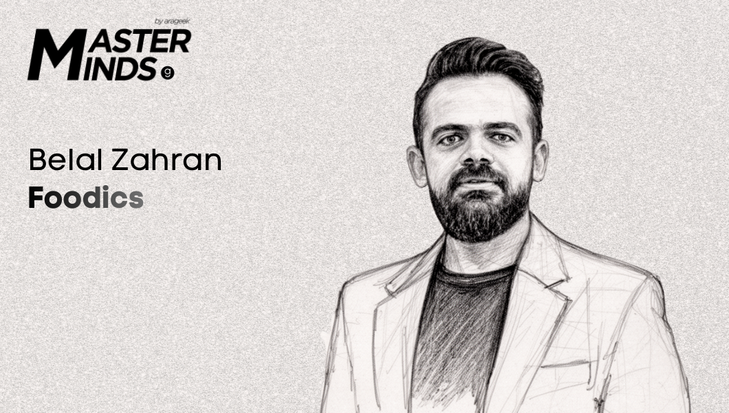
EgyptI am Belal Zahran. I built discipline first, then learned speed

5 min
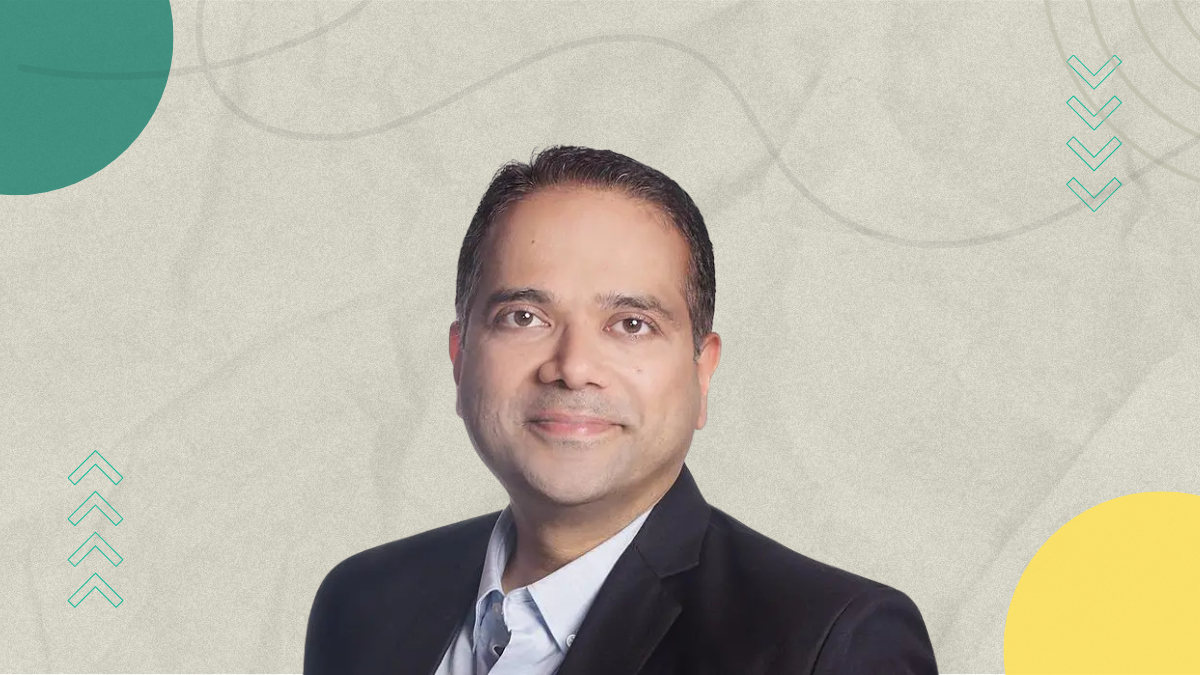
There is a particular kind of operator who is drawn less to ideas than to motion. Belal Zahran belongs firmly in that category.
Across banking, recruitment platforms, and now SaaS fintech, his career has been shaped by one recurring question, how does a company actually grow, market by market, team by team, under real pressure.
Today, as International Managing Director for UAE and Egypt at Foodics, Zahran sits at the intersection of strategy and execution, responsible for turning ambition into repeatable commercial results.
Learning discipline before learning speed
When asked about the foundations of his leadership mindset, Zahran starts far from startups. His early years in banking at CIB and HSBC were defined by structure, policy, and routine. It was not glamorous work, but it was formative.
Banking taught him that consistency often matters more than inspiration. Doing the same task well, whether or not it was enjoyable, built discipline. That discipline later became a competitive advantage when speed and chaos entered the picture.
Choosing uncertainty on purpose
On the question of why he left banking, Zahran is candid. He felt invisible inside a large machine. The ambition to one day build something of his own could not be satisfied in that environment.
Joining Bayt.com in 2012 looked risky from the outside. Internally, it felt liberating. The pace was faster, the problems were broader, and the learning curve was steep. Working out of a small apartment office forced exposure to every function of the business. Within a year, he had moved into a business management role, absorbing lessons that would later resurface at Foodics.
Competition changes by market, expectations change faster
Pressed on the contrast between Egypt and the UAE, Zahran draws a sharp distinction. In the UAE, competition is relentless and quality expectations are uncompromising. Customers expect clear returns for every dirham spent.
Egypt, by contrast, presents a different challenge. The competition is intensifying, but economic conditions and customer psychology play a larger role. Growth requires resilience, pricing sensitivity, and constant adaptation.
Why startups were always the long game
Asked whether he plans to found his own company, Zahran frames his career choices as preparation. Working inside startups was never accidental. It was deliberate apprenticeship.
Taking responsibility early, learning under pressure, and being accountable for outcomes were all steps toward that eventual goal. The destination remains open, but the direction has been consistent.
Expanding on two axes at once
When the conversation turns to Foodics’ roadmap, Zahran outlines a dual focus. Product expansion and geographic expansion move in parallel. New products, some entirely new to the regional market, are set to launch alongside deeper penetration across key geographies.
Partnerships with banks and fintech players form part of that strategy, particularly as the company builds a stronger payments and financial services layer around its core restaurant technology.
Scaling under economic pressure
Asked to reflect on leading Foodics’ expansion in Egypt and the UAE, Zahran describes two very different operational chapters. Egypt, where he started as General Manager in 2021, demanded flexibility amid currency fluctuations and economic uncertainty.
Later, overseeing both Egypt and the UAE required a mental shift. Managing markets with different maturities, expectations, and cultural dynamics forced sharper prioritisation and clearer communication.
From restaurant software to fintech ambition
On the future of Foodics in fintech, Zahran is confident but measured. Restaurant management cannot exist in isolation from payments. Financial technology is not an add-on, it is a natural extension.
Just as Foodics became a regional leader in its core category, he expects the same trajectory in payments and financial solutions, supported by partnerships and proven progress in Saudi Arabia.
Leadership as placement, not control
When asked about his leadership style, Zahran returns to fundamentals. The right people in the right roles is non-negotiable. Everything else flows from that.
His approach remains hands-on. Understanding the work allows him to support teams effectively. Moving to the UAE did not change his style. Clarity of goals, respect for diversity, and transparent communication apply everywhere.
Growth by the numbers
Pressed on contribution to growth, Zahran points to scale. In both Egypt and the UAE, Foodics adds thousands of restaurant clients annually. Each market contributes between 1,000 and 1,500 new customers every year.
Alongside Saudi Arabia, these markets represent some of the fastest growth within the company’s regional footprint.
Winning in maturity versus winning in momentum
Asked about achievements, Zahran distinguishes between contexts. In Egypt, Foodics reached market leadership quickly and secured major brands. In the UAE, the challenge was different. A strong existing team, intense competition, and high expectations shaped progress.
The result was tangible. Market position improved, share increased, and Abu Dhabi emerged as a major revenue driver.
What young leaders must learn faster
When the conversation turns to skills, Zahran advocates range with depth. Leaders must know something about everything, finance, marketing, operations, while remaining specialised in one domain.
Flexibility and social intelligence are equally critical. Modern leadership is connective work, aligning teams, customers, and stakeholders while keeping pace with rapidly evolving tools and automation.
One message does not fit all
Asked about challenges across markets, Zahran highlights communication. Egypt allows for unified messaging. The UAE does not. Cultural diversity requires tailored approaches, and quality thresholds are unforgiving.
The lesson was clear. Flexibility is not optional. Neither is learning beyond one’s core expertise.
Choosing Foodics as a platform
On moving from recruitment and HR into SaaS fintech, Zahran describes a pull rather than a push. Foodics represented scale, complexity, and an industry that matters. Food and beverage is foundational, and the technology serving it carries real weight.
The decision was less about changing fields and more about increasing impact.
Sustaining momentum


Asked about personal ambition, Zahran keeps the focus narrow. He wants to maintain energy, clarity, and pace. His goal is for Foodics to become indispensable to restaurants across Egypt and the UAE, the default choice, not one of many.
Growth, for him, is not episodic. It is engineered.