 LEAP26
 AI
AI Saudi Arabia
 UAE
UAE Egypt
EgyptCore42 Secures $550M from HSBC for AI, Cloud Expansion Across US and Europe

4 min
Core42 secured $550 million from HSBC to drive global AI expansion.
The non-dilutive deal funds sovereign cloud deployments across the US and Europe.
Dublin will anchor European operations, with Italy and France partnerships underway.
Banks are backing AI infrastructure as an asset class, not a speculative bet.
The move signals Gulf tech firms expanding west while keeping firm control.
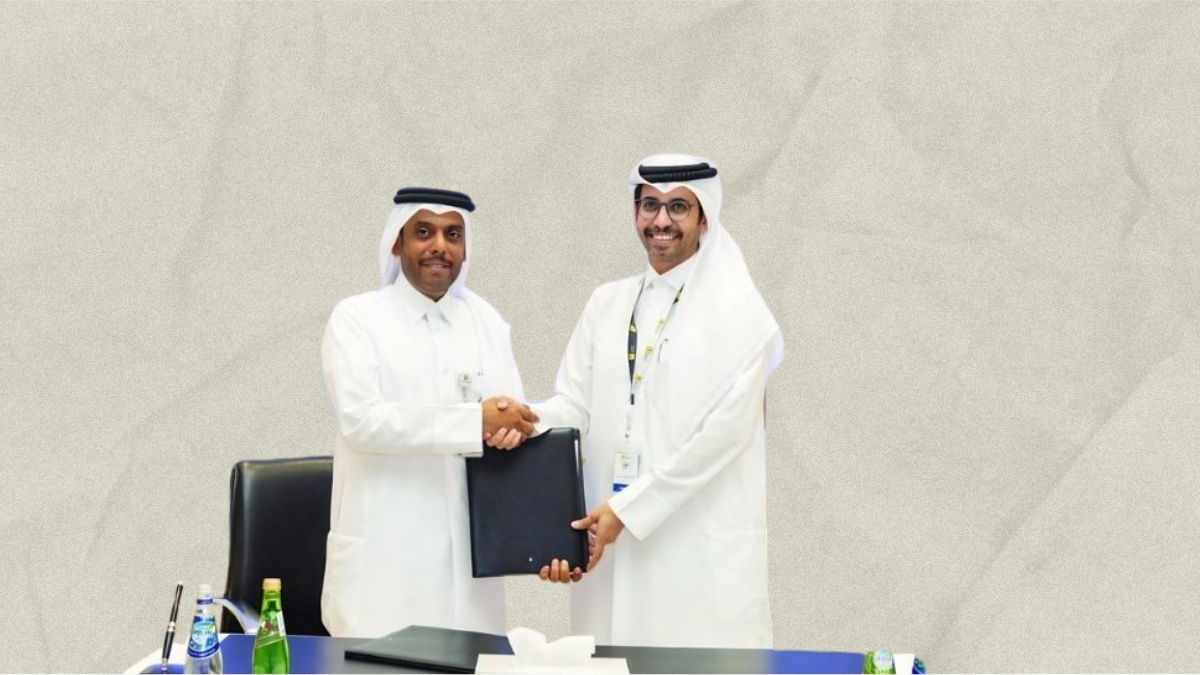
Core42, the UAE-based sovereign cloud and artificial intelligence infrastructure company under G42, has secured a hefty $550 million in commercial financing from HSBC to push forward its global expansion plans. In a market where AI infrastructure costs can spiral very quickly, that kind of capital is not just helpful, it’s strategic.
The financing comes in two chunks: a $240 million facility completed in February 2026 and another $310 million finalised in May. Together, they form a non-dilutive structure, meaning Core42 gets the growth capital without giving up equity. And in today’s environment, where AI infrastructure projects demand deep pockets and long-term commitment, holding tight to ownership can be a smart move.
The company says the funds will go towards accelerating deployment of AI computing and sovereign cloud infrastructure across the United States and Europe. That includes anchoring its European operations in Dublin, with further expansion initiatives underway in Italy and France through partnerships with local operators and infrastructure players. Dublin, in particular, has become a magnet for cloud giants and data centres, so the choice is hardly random, it’s quite spot on if you ask me.
Core42 focuses on delivering sovereign cloud services and large-scale AI computing environments tailored for enterprises and governments. Sovereign cloud, for those less familiar, simply means that data is stored and processed in ways that comply with national regulations and remain under local jurisdictional control. With governments increasingly cautious about where their data sits, this is no small matter. In fact, I’ve seen founders across MENA struggle with cross-border data rules, it can be a bit of a faff unless infrastructure is built with sovereignty in mind from day one.
According to the company, the new facilities are designed to support capital expenditure and faster deployment cycles for high-demand AI projects. As more organisations roll out advanced AI models and industrial-scale workloads, the pressure on compute capacity keeps rising. And believe it or not, securing enough GPUs and energy capacity has become almost as competitive as raising venture capital.
Shaikha Al Marri, Head of Banking at HSBC UAE, said the financing structures were tailored specifically to align with the capital intensity and phased deployment requirements typical of large-scale technology infrastructure projects. It signals that banks, not just VCs and sovereign funds, are now leaning into AI as an infrastructure asset class rather than a speculative bet.
On the flip side, debt financing at this scale does come with expectations, performance, stability, cash flow visibility. But for companies like Core42, which operate in infrastructure rather than consumer apps, predictable long-term contracts can make this model workable. I reckon we’ll see more Gulf-based tech firms follow a similar route, especially as AI infrastructure costs continue to balloon.
There’s also a broader regional angle here. Gulf technology groups are no longer content with being regional champions; they’re expanding into Western markets while preserving equity control. That shift feels significant. For many of us who’ve been covering the MENA startup scene for years, it’s a reminder of how far the ecosystem has come. What once felt aspirational now looks definately operational at scale.
As demand for sovereign computing, secure cloud services, and advanced AI platforms accelerates globally, Core42’s latest move places it squarely in the middle of that growth curve. Whether this financing translates into durable global leadership will depend on execution, partnerships, deployment speed, and the ability to keep up with relentless AI advancements.
Still, one thing is clear: the era of AI infrastructure being funded purely by equity is fading. Structured debt is stepping in. And that, well… it changes the game.
🚀 Got exciting news to share?
If you're a startup founder, VC, or PR agency with big updates—funding rounds, product launches 📢, or company milestones 🎉 — AraGeek English wants to hear from you!


✉️ Send Us Your Story 👇