 LEAP26
 AI
AI Saudi Arabia
 UAE
UAE Egypt
EgyptDHL and TASMU Team Up to Boost Startup Innovation in Qatar


3 min
TASMU Accelerator and DHL Express Qatar signed a partnership during bustling Web Summit Qatar 2026.
DHL joins as Sector Expert, opening its “operational playbook” to logistics-focused startups.
Startups can test ideas against “day-to-day operational insights” before trying to scale.
The deal links government programmes with private expertise to speed digital transformation.
Such partnerships offer founders “live operations and honest feedback,” beyond slide-deck mentoring.
The corridors of Web Summit Qatar 2026 were buzzing, and in between the pitch decks and slightly frantic coffee runs, a new partnership quietly took shape. TASMU Accelerator, part of the broader TASMU Smart Qatar programme under the Ministry of Communications and Information Technology, has signed an agreement with DHL Express Qatar to back startups working their way through the programme.
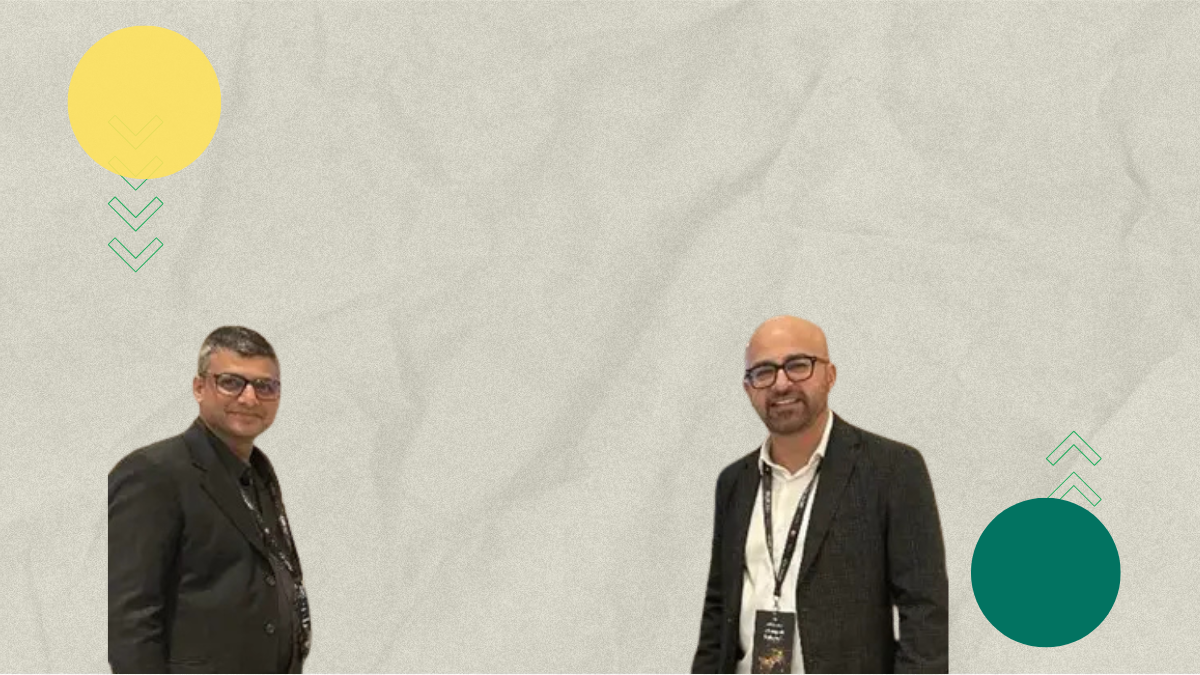
The partnership was formalised in Doha during the summit, with Eman Al Kuwari, director of MCIT’s Digital Innovation Department, and Henry Fares, managing director of DHL Express Qatar, signing on behalf of their organisations. DHL Express Qatar will come in as a Sector Expert for the accelerator, which, in plain English, means opening up its operational playbook to founders who are building products for the real world—especially in logistics and supply chain.
That practical angle matters. Anyone who’s spent time around early-stage startups in the region will tell you that bridging the gap between a clever idea and something that actually works in-market can be a bit of a faff. Under this agreement, participating startups will get chances to test and refine their technology using DHL’s day-to-day operational insights, helping them validate whether their solutions are truly fit for purpose before trying to scale.
On the flip side, logistics heavyweights like DHL gain early visibility into homegrown tech that might solve nagging operational challenges. I reckon that’s a spot on way to align incentives, rather than keeping corporates and founders in seperate lanes. TASMU’s model leans heavily on this ecosystem thinking, linking government programmes with private sector know-how to speed up digital transformation and, hopefully, avoid innovation for innovation’s sake.
From an Arageek reader’s point of view, this feels familiar. Over the years, I’ve watched plenty of MENA startups struggle once they leave the whiteboard and hit the warehouse floor or customs desk. Partnerships like this can make founders chuffed to bits because they offer something far more valuable than mentoring slides: access to live operations and honest feedback, warts and all.
That said, these collaborations only work if both sides stay committed beyond the photo op. Still, connecting accelerators with sector leaders who actually ship parcels every day—well… I mean, you know?—that’s how ideas get tougher, sharper, and ready for the market.
🚀 Got exciting news to share?
If you're a startup founder, VC, or PR agency with big updates—funding rounds, product launches 📢, or company milestones 🎉 — AraGeek English wants to hear from you!

✉️ Send Us Your Story 👇