 Ai Everything
 LEAP26
 AI
AI Saudi Arabia
 UAE
UAE Egypt
EgyptDubai Courts South Korea in Ambitious Halal Trade Alliance

4 min
Dubai signs MoU with Korea to boost halal trade links.
The deal helps Korean firms enter UAE and wider MENA markets.
Advisory schemes and matchmaking aim to cut through “cross-border compliance” hurdles.
The global Islamic economy could reach $3.
56 trillion by 2029.
Dubai hopes to cement its role as a leading halal trade hub.
Dubai is doubling down on its ambition to be a global halal trade hub and this time, South Korea is in the picture.
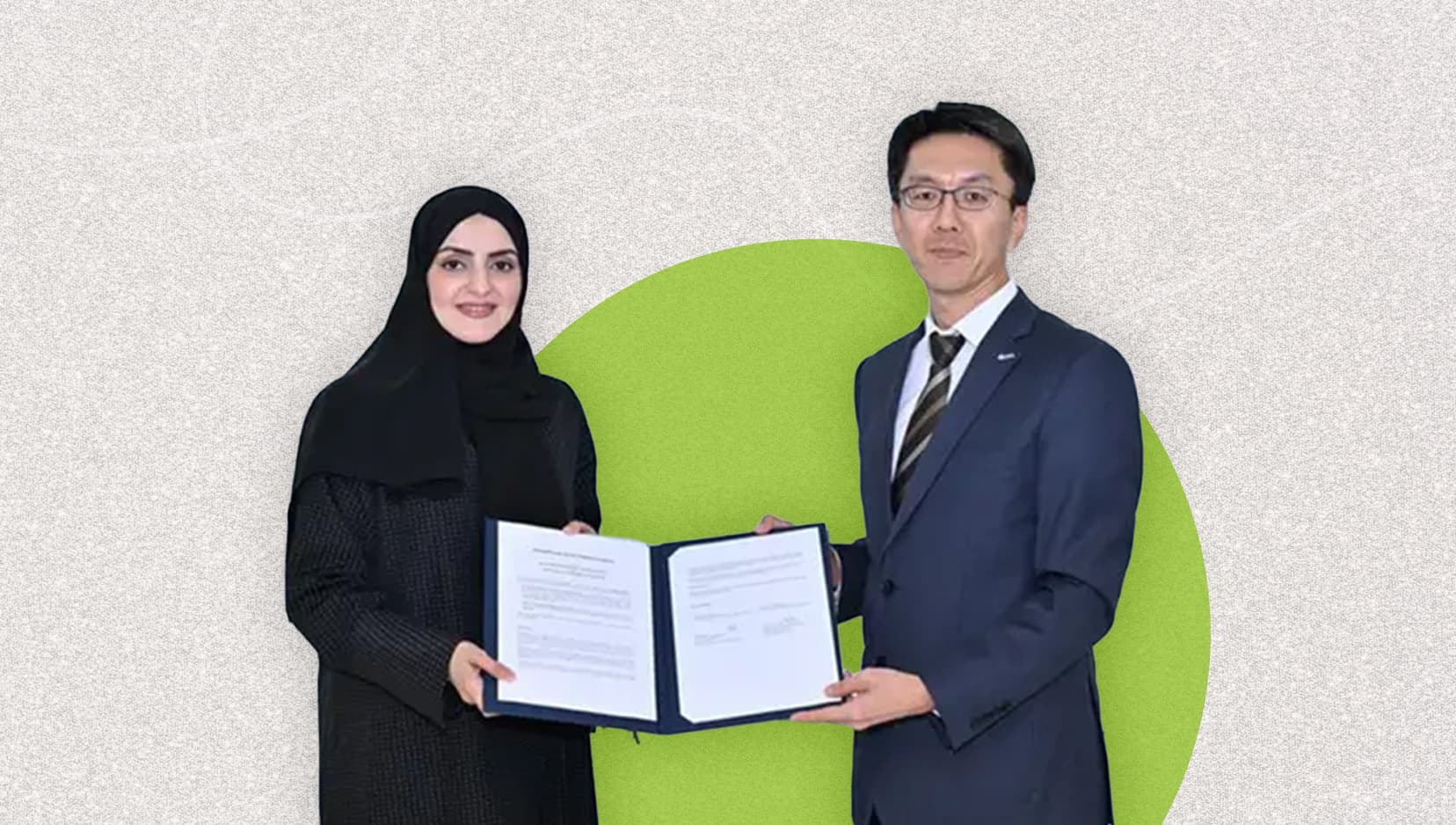
The Halal Trade and Marketing Centre (HTMC), an initiative under the Dubai Integrated Economic Zones Authority (DIEZ) and based at Dubai Airport Freezone (DAFZ), has signed a Memorandum of Understanding with the Korea International Trade Association (KITA). The aim is clear: help Korean companies enter and expand across halal markets in the UAE and the wider Middle East and Africa region.
On paper, it’s a formal agreement. In reality, it could be a proper gateway.
The timing is hardly accidental. The global Islamic economy reached $2.60 trillion in 2024 and is projected to climb to $3.56 trillion by 2029. That is no small change. Sectors like halal food, pharmaceuticals, modest fashion, tourism and Islamic media are all growing steadily — not only in Muslim-majority countries, but increasingly in non-Muslim markets too. Dubai, sitting comfortably between East and West, wants a bigger slice of that pie. And, in fairness, it is well positioned.
Under the agreement, HTMC and KITA will roll out structured advisory and mentoring programmes for Korean businesses. The idea is to make things less of a faff when it comes to understanding halal certification systems, regulatory requirements and market entry rules. Anyone who has tried to decode cross-border compliance frameworks knows it can feel like walking through treacle. Clear guidance matters.
Business matchmaking is also part of the deal. Korean companies will be introduced to buyers, importers, distributors and retailers across the GCC and wider MENA region. That hands-on commercial connection could make all the diference between a market entry strategy that looks good in a PowerPoint — and one that actually delivers revenue.
Amna Lootah, Director-General of Dubai Airport Freezone, said the MoU reflects the importance of combining commercial expertise with specialist knowledge of the halal sector. She explained that through HTMC, the goal is to help Korean firms better understand market requirements, benefit from advisory programmes, and build meaningful partnerships that support their growth across regional and global halal markets. She also pointed out that the collaboration supports Dubai’s wider ambition to reinforce its position as a global halal trade hub.
Philjae Park, President of KITA MENA HQ, described the agreement as an important step towards improving Korean companies’ access to halal markets in the region. By bringing together business matchmaking, advisory support and institutional engagement, he said, the partnership aims to create an environment where Korean firms can benefit from high-growth opportunities in the halal economy.
Beyond introductions and mentoring, both sides plan to exchange market intelligence — from accreditation systems to shifting buyer requirements and regulatory updates. That kind of information flow is often underestimated, but in fast-growing sectors it can be worth its weight in gold.
At Arageek, we often speak about how ecosystems thrive when bridges are built, not just announcements made. I remember attending a startup roundtable in Dubai a few years ago where founders kept saying the same thing: “Access is everything.” Access to networks. Access to clarity. Access to the right partners. Without that, even the best product can struggle. This MoU seems designed to tackle exactly that gap.
On the flip side, agreements alone don’t guarantee success — execution is what counts. Still, I reckon this move is spot on considering how Korean brands, especially in food, cosmetics and lifestyle, have been expanding globally at speed. Tapping into the halal economy feels like a natural next step.
And believe it or not, the halal market today is not only about religious compliance. It increasingly overlaps with ethical consumption, traceability and quality assurance — themes that resonate with younger consumers across markets.
If this partnership delivers on its promise, it could smooth the path for Korean companies to establish a firmer presence in MENA, while reinforcing Dubai’s role as the region’s commercial crossroad. In a $3.5 trillion market trajectory, that’s not something to ignore… not by a long shot.
🚀 Got exciting news to share?
If you're a startup founder, VC, or PR agency with big updates—funding rounds, product launches 📢, or company milestones 🎉 — AraGeek English wants to hear from you!
✉️ Send Us Your Story 👇