 GITEX Dubai
 Ai Everything
 LEAP26
 AI
AI Saudi Arabia
 UAE
UAE Egypt
EgyptEgypt Ramps Up Semiconductor Growth with New Export Incentives Package

4 min
Egypt adds semiconductors and electronics design to a seven-year export incentive scheme.
Incentives are “performance-based”, tied to exports achieved and jobs created.
Officials aim to boost competitiveness and back the “Egypt Makes Electronics” drive.
Plans include a unified digital platform to cut red tape and speed payments.
Predictable support could attract global R&D, if execution matches the promise.
Egypt is sharpening its pitch to the world’s semiconductor and advanced engineering players, and this time, it is putting long-term export incentives on the table.
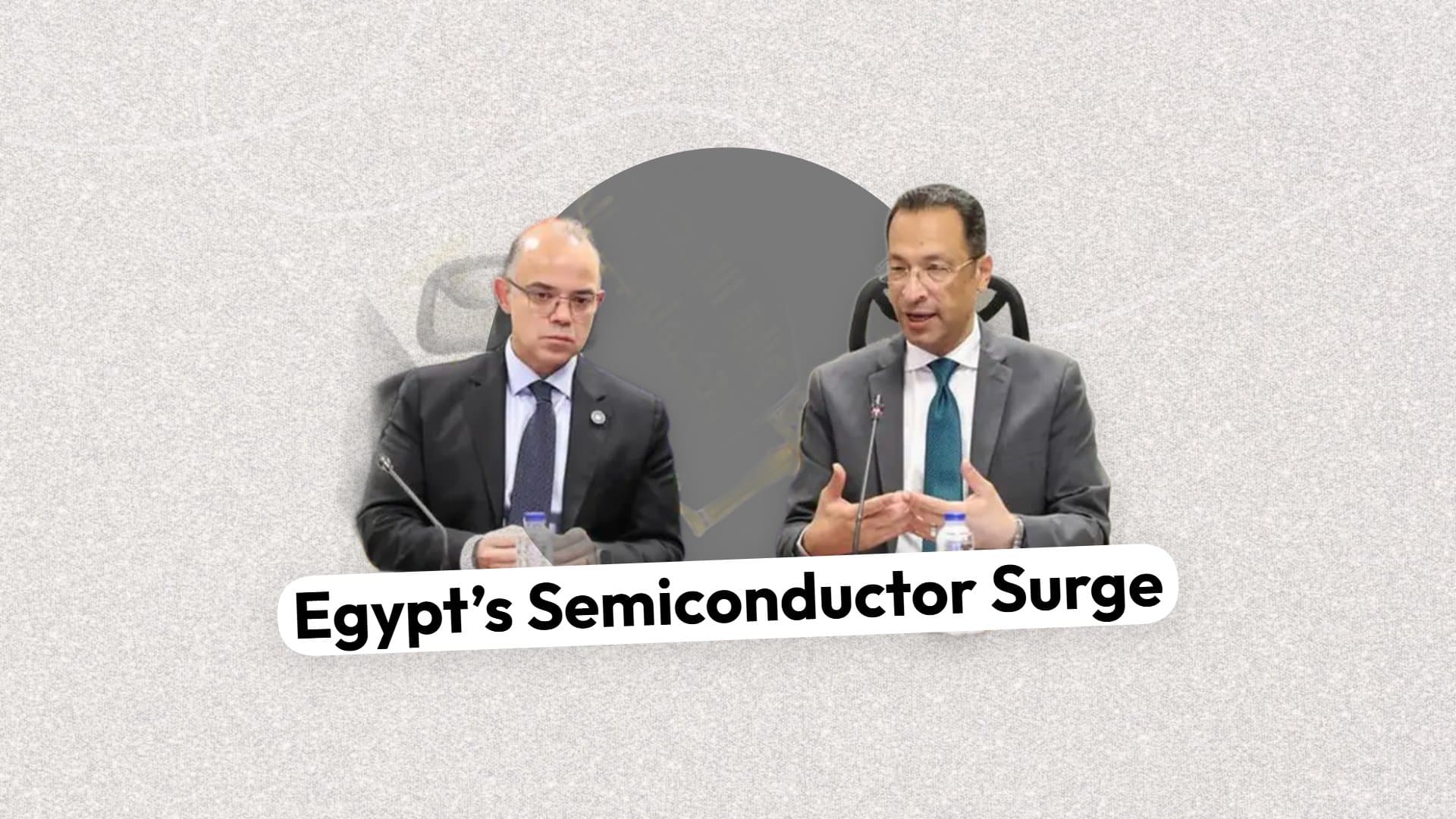
In Cairo, H.E. Eng. Raafat Hindy, Minister of Communications and Information Technology, and H.E. Dr. Mohamed Farid, Minister of Investment and Foreign Trade, oversaw the signing of a cooperation protocol between the Information Technology Industry Development Agency (ITIDA) and the Export Development Fund (EDF). The agreement folds electronics design, semiconductors, embedded systems, and mobile-related services into Egypt’s Export Development Programme for seven years starting from fiscal year 2025/2026.
In simple terms, companies operating in these sectors will be able to access performance-based export incentives, directly linked to how much they actually export and how many jobs they create. No smoke and mirrors, it’s tied to measurable growth. I reckon that kind of structure sends a clear message to investors who are tired of vague promises and prefer solid numbers.
The move is part of Egypt’s wider ambition to strengthen its position as a competitive hub for high-value digital services. And believe it or not, the country already hosts more than 86 multinational and local companies working in electronics and embedded systems design, serving clients across global markets. That’s not small potatoes. In fact, sector leaders point out that value-added in electronics and embedded systems design exceeds 90%, placing it among the highest-value segments in the global offshoring industry.
For founders across MENA who read Arageek, this feels familiar. Many of us have seen talented engineers struggle to find structured export support, even when demand abroad is spot on. So seeing semiconductors and automotive software design formally included in a national export rebate framework? Well… it’s hard not to see the potential ripple effect.
Hindy described the step as a major push to boost Egypt’s competitiveness within global value chains and advance high-tech industries locally. He also underlined alignment with the presidential “Egypt Makes Electronics” initiative, which aims to deepen domestic manufacturing, attract global R&D and design centres, and create high-quality jobs.
Farid, for his part, framed the inclusion of high-tech services as part of a broader strategy to diversify Egypt’s export base and support knowledge-driven sectors. He highlighted that the incentives are structured around efficiency and sustainability, while reforms continue to target regulatory agility in areas such as artificial intelligence, cloud computing, semiconductors and data centres.
That said, incentives alone rarely do the trick. The two ministries also reviewed progress on joint digital transformation efforts designed to make life easier for investors. Plans are under way for an integrated digital platform connecting various government entities, aimed at streamlining procedures, unifying services and cutting processing times. Anyone who has dealt with cross-agency paperwork knows it can be a bit of a faff, so digitising the full investor journey, from licensing to incentives disbursement, could be a game changer if executed properly.
The Export Development Fund is also working to modernise and digitise its own operations, part of a push to strengthen governance and speed up payments. A joint coordination committee is expected to be formed within a month to oversee implementation of the new framework and keep things moving.
On paper, it all sounds promising. If delivered well, the seven-year horizon gives companies a level of predictability they rarely get in emerging markets. And predictability, as any startup founder will tell you, is worth its weight in gold.
The real test, of course, will be in execution. Policy announcements can be powerful signals, but follow-through is what truly shapes investor confidence. Still, Egypt’s bet on semiconductors and advanced electronics design feels like a calculated one, and in today’s global tech race, sitting still is definately not an option. For the region’s engineers and ambition-driven founders, this is one story worth watching closely.
🚀 Got exciting news to share?
If you're a startup founder, VC, or PR agency with big updates—funding rounds, product launches 📢, or company milestones 🎉 — AraGeek English wants to hear from you!



✉️ Send Us Your Story 👇