 GITEX Dubai
 Ai Everything
 LEAP26
 AI
 Saudi Arabia
 UAE
 Egypt
Egypt’s AI Ambitions Take Centre Stage at Techne Summit Alexandria 2026

6 min
Egypt’s tech sector says AI must become more than “buzz” for startups.
El Zaher said the real edge is specialised data, know-how and customer relationships.
Healthcare, education, fintech, agriculture and public services were flagged as strong opportunities.
Government support covers skills, cloud access, real-world testing and help to scale.
Egypt’s AI strategy aims for 250 AI startups by 2030.
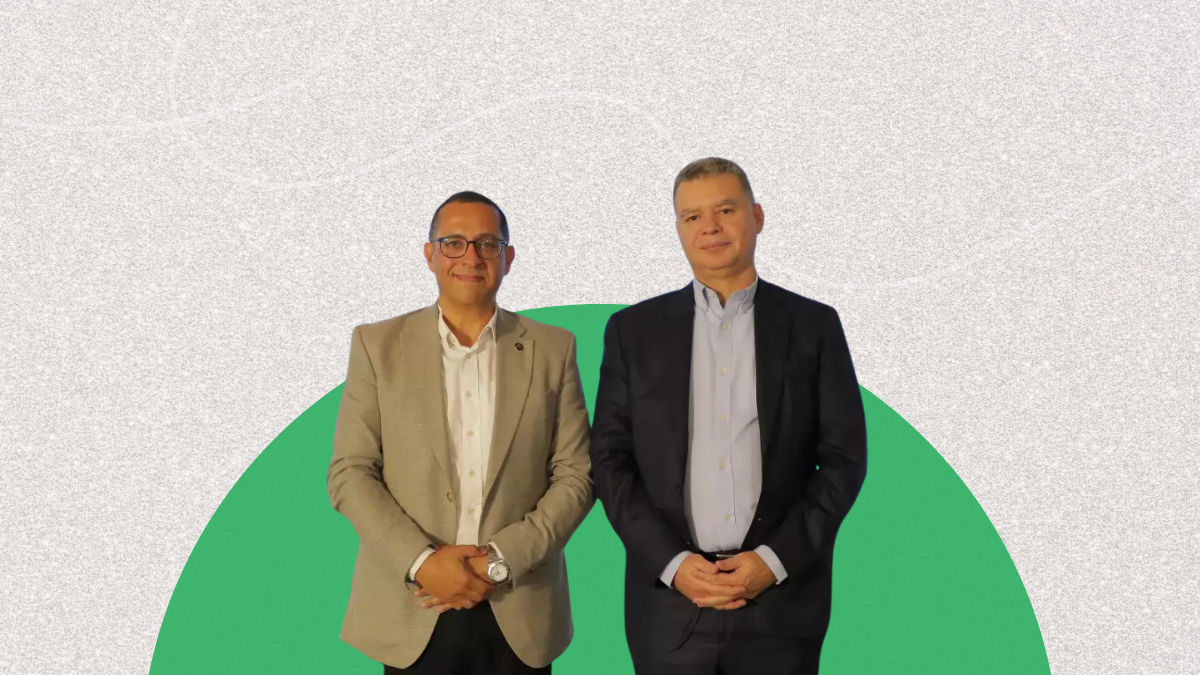
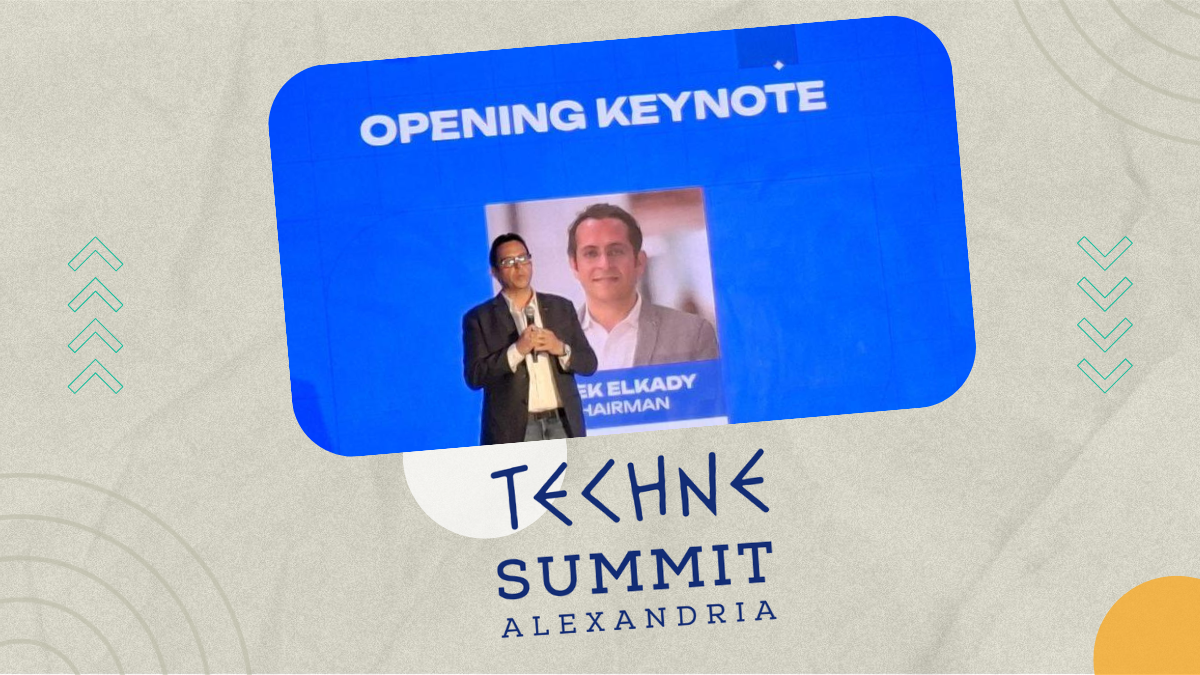
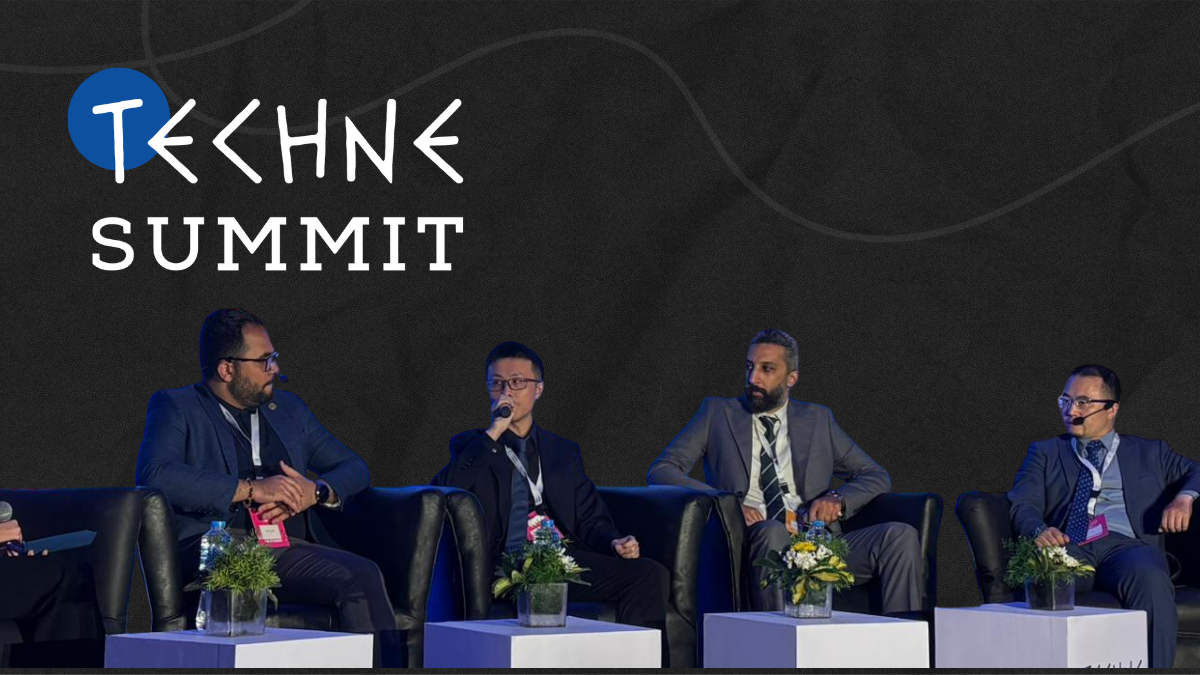
Egypt’s technology industry is trying to make sure the AI wave becomes more than just buzz, and that message came through clearly at Techne Summit Alexandria 2026. Speaking at the opening of the event on behalf of Communications and Information Technology Minister Raafat Hindi, ITIDA chief executive Ahmed El Zaher said artificial intelligence is creating fresh openings for startups in Egypt, but it is also making the race much tougher.
El Zaher’s point was fairly spot on: when AI models are available to everyone, access alone is no longer the clever bit. What matters is what a startup actually builds, whether it really understands the problem in front of it, and whether the product can create lasting value that cannot be swapped out overnight. In his view, the real edge now comes from things beyond the technology itself, including specialised data, sector know-how and strong customer relationships.
The summit opening was attended by a wide mix of figures from the tech and startup scene, including Swedish ambassador to Cairo Dag Juhlin-Dannfelt, Khalil Hassan Khalil, who heads the Digital Economy and Technology Division at the Federation of Egyptian Chambers of Commerce, and Tarek El Kadi, founder of Techne Summit, alongside investors, entrepreneurs and startup representatives. That mix matters, because events like this can sometimes feel like a bit of a faff unless founders leave with actual contacts, customers or capital.
El Zaher said AI is already reshaping how software is developed, how products are designed and how services are delivered to customers. It is also giving startups and smaller firms capabilities that once needed much bigger budgets. That said, faster competition means startups have to focus on more than impressive tools. They need a deep understanding of the market problem they want to solve, especially in sectors where local knowledge can make all the difference.
He highlighted healthcare, education, fintech, agriculture and government services as promising fields for innovation in Egypt. The broad argument was that founders who know the local market and user needs well can build products with genuine value at home, then use that footing to expand regionally and eventually internationally. Around Arageek, we hear this often from founders in MENA, and honestly, I reckon it is one of the hardest truths in startups: shiny tech grabs attention, but solving a real problem is what opens doors.
El Zaher also pointed to the strong momentum in the wider sector, noting that Egypt’s ICT industry recorded growth of 19.2%. The challenge now is making sure more Egyptian companies are contributing to that rise by producing high-value services and solutions rather than just consuming global tools.
To support startups in the AI era, he laid out four main areas of focus: knowledge and skills, access to research and development resources and experimentation tools, opportunities to test products in real-world settings, and support for scaling up. On the skills side, he said founders need talent that can choose the right AI tools, assess outputs and integrate them into secure and efficient products. Egypt’s Ministry of Communications and Information Technology and its affiliated bodies, he added, are working on training and capacity-building tracks to help fill that gap.
Access to computing power, cloud services and technical expertise is becoming more important too. El Zaher said ministry and ITIDA programmes are trying to widen startup access to these resources, while the state continues developing digital infrastructure, computing capacity and data centres. He specifically referenced the partnership with AWS through the StartIT programme, which gives a more concrete glimpse of how this support is meant to work in practice.
And believe it or not, one of the most useful things for a startup is still the first customer. El Zaher stressed that startups need chances to test products in real environments, because winning that first client helps them prove value and collect real feedback. In that context, he revealed that the ministry is preparing to launch an AI competition with another ministry focused on real, practical challenges, inviting startups and innovative teams to get ready with solutions that combine technical ability and a proper understanding of user needs.
He also underlined that building a product is only the start of the journey, not the finish line. Startups still need a sustainable business model, a firm handle on operating costs and a path towards investment and growth. This is where incubation and acceleration programmes come in. El Zaher pointed to ITIDA’s support channels, including the Creativa Innovation Hubs, as well as international partnerships with Plug and Play and 500 Global. He also mentioned Venture Ready, launched in the Delta region with GIZ, to help startups in growth stages and prepare them for investment.
The wider policy backdrop is Egypt’s Digital Egypt vision and the national AI strategy for 2025 to 2030. El Zaher said the strategy’s second phase aims to support the creation of 250 AI-based startups by 2030. It is an ambitious target, of course, but not an imposible one if founders can get the right mix of infrastructure, demand and early-stage backing.
Elsewhere, El Zaher presented the updated EgyptInnovate platform, officially launched in February 2026 as what is described as the country’s first integrated national platform for innovation and entrepreneurship. He encouraged startups and entrepreneurs to engage with the platform, share proposals and highlight what they need, in an effort to make support programmes more responsive. On the flip side, platforms alone do not fix ecosystems — I’m not a fan of treating portals as magic wands — but if they connect founders to the right opportunities, they can still be useful.
On the sidelines of the summit, El Zaher toured the exhibition with Ambassador Dag Juhlin-Dannfelt and Khalil Hassan Khalil, reviewing products and solutions from participating startups. ITIDA joined the summit as a strategic partner and backed 10 startups under its pavilion: KoCyber, STEMulator, Fabritec, Aman 7, Dackatra, Just2Pay, Polaris GRC, Dragons, Syncode X and EVRAID. Together, they cover a broad spread of sectors, from cyber security and edtech to software-as-a-service, proptech, healthtech, fintech, AI solutions, business automation, deep tech and electric mobility.
That range says quite a lot about where Egypt’s startup scene is heading. It is no longer just about launching apps for the sake of it, well… I mean, the stronger story is in practical products built for real operational problems. If that focus holds, Techne Summit’s message this year may prove chuffed to bits with good reason: in the AI era, the startups that understand their users best may well be the ones that travel furthest.
🚀 Got exciting news to share?
If you're a startup founder, VC, or PR agency with big updates—funding rounds, product launches 📢, or company milestones 🎉 — AraGeek English wants to hear from you!


✉️ Send Us Your Story 👇