 Ai Everything
 LEAP26
 AI
AI Saudi Arabia
 UAE
UAE Egypt
EgyptI am Ali Kandil. I simplified operations, which made brands scale faster

6 min
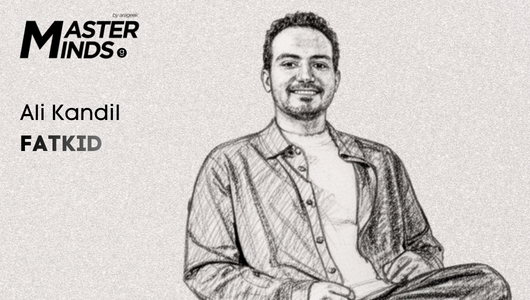
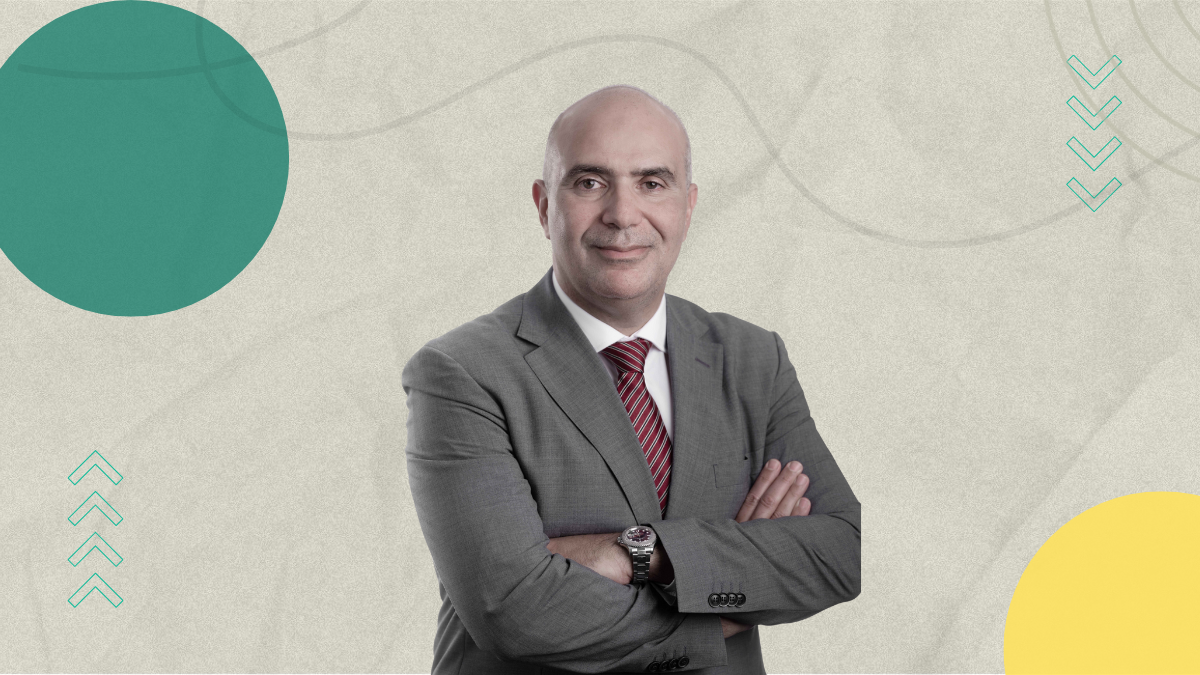
Ali Kandil on Why Most Food Brands Don’t Have a Marketing Problem
Ali Kandil did not arrive at food and branding by accident. His path looks obvious in hindsight, but what stands out is how early the instincts were there. He cared about food in a way that went beyond consumption, and he cared about how things looked and felt. The combination shaped everything that followed, even before he had the language to define it.
When he eventually stepped into Kitopi, that instinct met scale, systems, and operational reality. It changed how he thinks, and more importantly, what he pays attention to.
How a love for food turned into a systems mindset
When asked about how he entered F&B and marketing, Kandil frames it as inevitable. Food was never just interest, it was identity. At the same time, he was drawn to design and user experience, not as decoration but as something that shapes perception.
That combination naturally pulled him towards restaurants. But it was his time at Kitopi that added a second layer. He moved beyond the surface of branding into the machinery behind it, operations, logistics, and the unseen systems that define the customer experience.
That shift matters because it reframes what branding actually is. Not a layer on top, but a reflection of everything underneath.
What operating at scale teaches you about simplicity
On the question of his biggest lessons from Kitopi, Kandil does not overcomplicate it. Three ideas stayed with him, and they continue to shape how he works.
First, reduce complexity. Simplicity is not aesthetic, it is operational. The clearer the menu, the smoother the flow, the easier the decision. That clarity compounds across every touchpoint.
Second, data is not optional. Growth without measurement is guesswork. At scale, every decision needs to be tied to numbers, not instinct alone.
Third, the customer experience is built on things they never see. Kitchen workflows, food safety, supply chains, packaging. These are invisible, but they determine how the brand is felt.
It is a view of F&B that removes the illusion. What looks simple to the customer is usually the result of disciplined complexity behind the scenes.
From designing visuals to building outcomes
When the conversation turns to his progression from graphic designer to senior creative lead, Kandil is clear that the real shift was not the title.
Early in his career, he was solving visual problems. Making things look good, making them coherent. Over time, that expanded into something broader. He started thinking in terms of journeys, behaviours, and outcomes.
Design became a tool, not the goal.
He moved from creating assets to building identities that drive decisions. That includes how a customer navigates a menu, how they interpret a brand, and ultimately whether they buy.
It is a shift from aesthetics to accountability.
Why FATKID exists in the first place
Asked what pushed him to launch FATKID, Kandil points to a gap he kept seeing repeatedly.
Strong food brands were investing heavily in product and operations, but neglecting how they showed up digitally. The result was a disconnect between quality and perception.
Restaurants that should have looked sharp and distinctive instead looked generic or inconsistent online.
FATKID was built on a simple conviction. Food brands should not be handled by generalists. They need specialists who understand the nuances of the category, from platforms to margins to behaviour.
Why most brands are unclear, not under-marketed
Pressed on his claim that most F&B brands do not actually have a marketing problem, Kandil reframes the issue entirely.
The real problem is clarity.
Brands often cannot clearly answer three basic questions. Who are we for? What makes us different? Why should someone choose us?
Without those answers, marketing becomes amplification of confusion. More content, more spend, more noise, but no real movement.
Clarity, in his view, is the foundation. Everything else sits on top of it.
What specialisation actually looks like
When asked what makes FATKID different, Kandil keeps it narrow.
They only work in F&B.
That focus is not positioning, it is operational depth. It allows them to understand platform dynamics, customer behaviour, and the economics of restaurants in a way generalist agencies cannot.
It also changes accountability. They are not just delivering creative assets. They are tied to outcomes.
Where conversion actually happens
On the question of conversion versus awareness, Kandil breaks it down into moments.
Conversion is not abstract. It happens at specific points where a customer moves from browsing to buying. That could be on Talabat, Deliveroo, social platforms, or search.
Each environment has its own friction points.
On delivery platforms, it is menu structure, pricing, and photography. On social, it is the hook and the call to action. On Google, it is reputation and reviews.
The work is in identifying those moments and removing friction from each one. Awareness might bring attention, but conversion is what drives revenue.
The mistakes that quietly kill performance
When asked about the most common mistakes restaurants make on delivery platforms, Kandil highlights three patterns.
First, ignoring the end-to-end experience. A platform page is not a listing, it is a storefront. Poor visuals, vague descriptions, and disorganised menus drive customers away before they order.
Second, passive presence. Many brands set up their profiles and wait. Platforms reward activity, promotions, campaigns, and engagement.
Third, lack of intentionality. In F&B, small details compound. Naming, modifiers, packaging, timing. Each decision shapes the outcome.
None of these are dramatic errors, but together they define performance.
The gap between looking good and making money
When the conversation turns to content, Kandil draws a sharp distinction.
Good-looking content gets attention. It gets saved, liked, appreciated.
But that is not the same as conversion.
Content that converts is built with intent. It starts with a question, what action do we want? Everything else is built backwards from that.
The difference is not quality, it is purpose.
What real impact actually looks like
Asked to point to a result he is most proud of, Kandil mentions Zaman Beirut.
The brand came in without a structured marketing approach. What followed was a full rebuild across channels, systems, and measurement.
Within nine months, revenue doubled.
The key point is not the number, but the method. It was not a single campaign. It was a coordinated system, executed consistently and measured closely.
Building for long-term operators, not short-term wins
When asked about what comes next for FATKID, Kandil points to infrastructure.
More data, stronger systems, and expansion into new markets.
The ambition is not to be a service provider that brands cycle through. It is to become a long-term partner for serious operators.
That requires depth, not breadth.
The advice he comes back to repeatedly
Asked to distil his advice, Kandil keeps it practical.
Focus on the full experience. Every touchpoint matters, not just the food or the content.
Be specific. Vague brands do not win. Clarity makes everything else easier.

Be intentional. Every detail is a decision, and the brands that stand out are the ones that make those decisions deliberately.
It sounds simple, but most brands still miss it.