 LEAP26
 AI
AI Saudi Arabia
 UAE
UAE Egypt
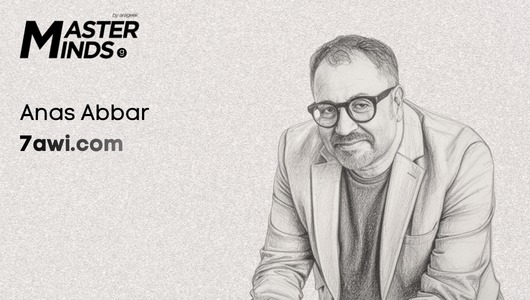
EgyptI am Anas Abbar. I built media systems, not clicks, and it sustained 7awi

6 min
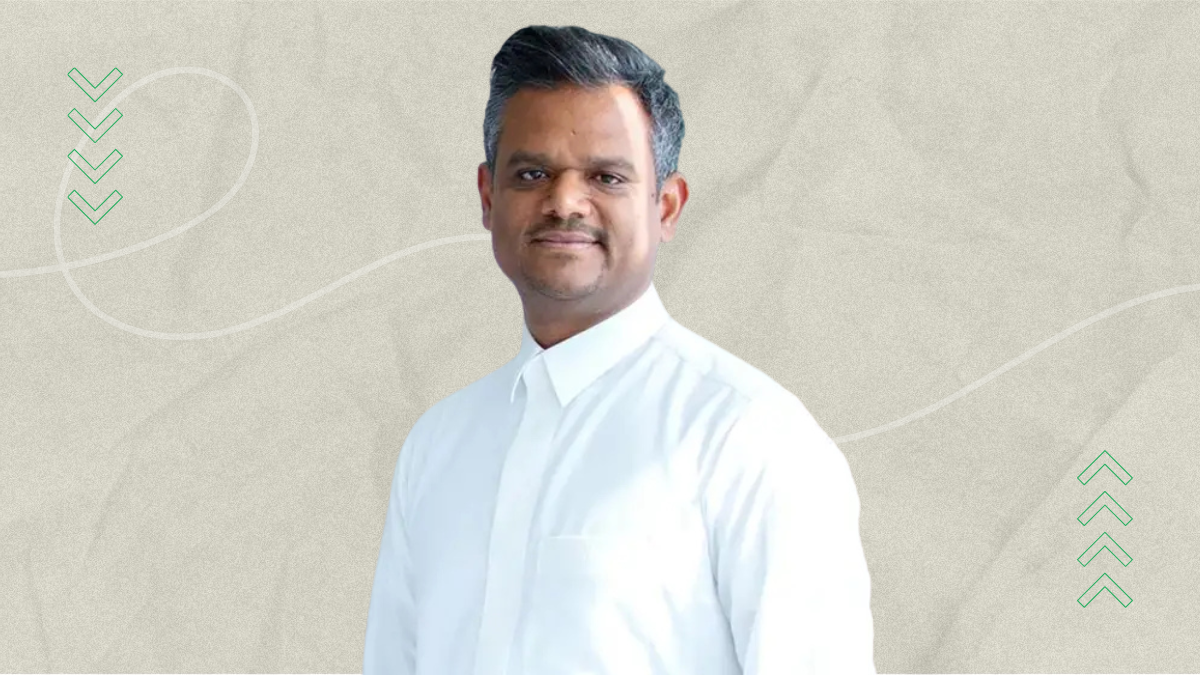
Anas Abbar has spent more than a decade building one of the Arab world’s most durable digital media groups. What makes his story interesting is not scale alone, but the discipline behind it. This is a conversation about structure, ownership, and why media only survives when it grows up.
Building Arabic content that respected its audience
When asked to look back at the origins of 7awi, Abbar is clear that the ambition was never grandiose. The early goal was simply to produce Arabic digital content that felt grounded and respectful. At the time, much of what existed online felt copied, rushed, or optimised purely for clicks, disconnected from people’s actual lives. He believed there was a serious audience being underserved.
As the company grew, that belief did not change, but the execution had to. Content alone, he realised, is fragile. Algorithms shift, platforms rise and fall, and audiences evolve. The idea of storytelling stayed constant, but the business around it had to mature. Today, 7awi operates as an ecosystem. Content remains the core, but it is supported by technology, creators, CSR initiatives such as Dunia Helwa, commercial solutions, and distribution across every major global platform. Even the decision to reintroduce print magazines followed the same logic, meeting audiences where they already are rather than where trends insist they should be.
Leaving global tech to build something local
On the question of why he left Microsoft and Yahoo!, Abbar points to a growing pull towards relevance. Those years shaped how he thinks about systems, scale, and long-term value. But he wanted to build something rooted in the region, in Arabic, with global standards rather than imported assumptions.
What surprised him most after the transition was exposure. In large organisations, failure is absorbed by layers of structure. As a founder, every decision carries weight. Responsibility extends beyond performance to people, families, and livelihoods. That reality reshaped how he leads, and why decisions are approached with seriousness rather than bravado.
Defining 7awi beyond publishing
Pressed on what 7awi actually is today, Abbar avoids romantic language. He sees it as a B2B media powerhouse that remains deeply connected to B2C audiences. The company does not only speak to consumers, it translates audience understanding into solutions for brands.
That duality explains why 7awi can partner confidently with global names while maintaining local authenticity. Whether through Inc. Arabia, lifestyle platforms, CSR storytelling, or creator ecosystems, everything is anchored in trust and audience insight rather than isolated products.
The decisions that unlocked scale
When the conversation turns to strategy, Abbar points first to ownership. Early on, 7awi invested in its own CMS, SEO capabilities, and wide distribution. Content was never locked into a single platform or ecosystem.
Equally important was the shift from selling campaigns to building solutions. Instead of isolated placements, the team developed seasonal and purpose-driven offerings around moments that matter, from Ramadan to back-to-school to breast cancer awareness. This was the point where media stopped being transactional and started becoming useful.
The emotional cost of profitability
Asked about leading the business to sustained profitability, Abbar does not talk about spreadsheets. He talks about difficulty. The hardest moments involved decisions that were strategically right but emotionally heavy. Restructuring, closing initiatives that did not scale, and slowing growth to protect sustainability all came with personal cost.
At the same time, culture became non-negotiable. More than 56 percent of the organisation is women, not through quotas, but because opportunity was designed to be fair. Four consecutive Great Place to Work certifications followed difficult conversations, transparency, and consistency, especially during challenging phases.
Trust as the real growth metric
On balancing reach, monetisation, and quality, Abbar returns to a single word: trust. Millions of monthly users are not treated as numbers. Some content exists to inform or support causes, particularly through Dunia Helwa, which focuses on kindness, community, and human stories. Other content serves commercial goals.
The balance comes from clarity of intent. Editorial integrity is not compromised for short-term gain, because trust is the currency that sustains everything else.
Why owning technology mattered
Asked to reflect on technology, Abbar frames it as a question of ambition. Dependency limits how far you can go. Arabic content is complex, bilingual workflows are demanding, and regional markets are fragmented. Off-the-shelf tools rarely account for that.
Owning the CMS allowed 7awi to structure content properly, scale distribution, and later integrate automation and AI without losing editorial control. It also ensured that global partners entering the region were supported by infrastructure that met their standards.
AI as leverage, not replacement
When the discussion shifts to AI, Abbar is pragmatic. AI changes how work gets done, not why it gets done. In MENA, its power lies in removing friction, helping teams move faster and think more clearly.
Inside 7awi, AI is already used for trend analysis, SEO structuring, bilingual workflows, social media formatting, and performance insights. Editors still decide what gets published. The danger, he warns, is using AI to create more noise instead of better content.
Scaling ownership across borders
Asked about leading more than 160 people across countries, Abbar rejects the idea of control. Culture, he argues, scales through clarity. When expectations, outcomes, and reasoning are transparent, accountability follows naturally.
The focus is on ownership rather than hierarchy, which shows up in long-term retention and engagement. For him, leadership has shifted away from headcount and towards impact and example.
The real problem with Arabic digital media
On the state of the industry, Abbar identifies sustainability as the core challenge. Too many players depend entirely on platforms they do not control or chase traffic without understanding monetisation. Others underestimate the importance of technology and data.
Content alone is no longer enough. Media businesses need systems, solutions, and diversified revenue if they want to survive.
Competing with global platforms by not imitating them
When asked how regional media can compete with global platforms, Abbar is blunt. They should not try to become them. Global platforms dominate distribution. Regional players win through context, trust, and cultural relevance.
Brands are no longer satisfied with reach alone. They want resonance, and that is where local media still holds an advantage.
Bringing fragmentation under one roof
On the launch of Social Camels, Abbar explains it as a response to frustration. Brands were juggling PR agencies, influencer managers, content teams, and media buyers, with no single owner of outcomes.
Social Camels brings storytelling, PR, creators, and distribution together under one strategy and one accountable partner. Fewer handoffs, clearer responsibility.
A narrower but stronger future
Asked to look ahead, Abbar predicts fewer media players, but stronger ones. AI will be embedded deeply, owned audiences will matter more than borrowed traffic, and infrastructure will separate leaders from trend-chasers.
Media, in his view, will increasingly resemble a solution business rather than a publishing one.
Advice grounded in durability
When asked what he would tell young entrepreneurs, Abbar avoids motivational slogans. Visibility, he says, is easy. Durability is rare. Launching content is simple. Building something that survives pressure, people changes, market shifts, and technological disruption is not.
His advice is practical. Own what matters. Respect cash flow. Build inclusive teams. Accept that media is a long game.