 LEAP26
 AI
AI Saudi Arabia
 UAE
UAE Egypt
EgyptPureHealth Unveils “Nada” AI to Revolutionise Doctor‑Patient Consultations

3 min
PureHealth is testing an AI assistant, "Nada", to aid doctors during consultations.
Nada turns clinical conversations into medical notes in real time, enhancing patient care.
The tool aims to reduce documentation time by over half, benefiting UAE clinicians and patients.
Initial trials show Nada supports human interaction without being intrusive or mechanical.
This move aligns with PureHealth's shift towards cognitive healthcare, focused on human support.
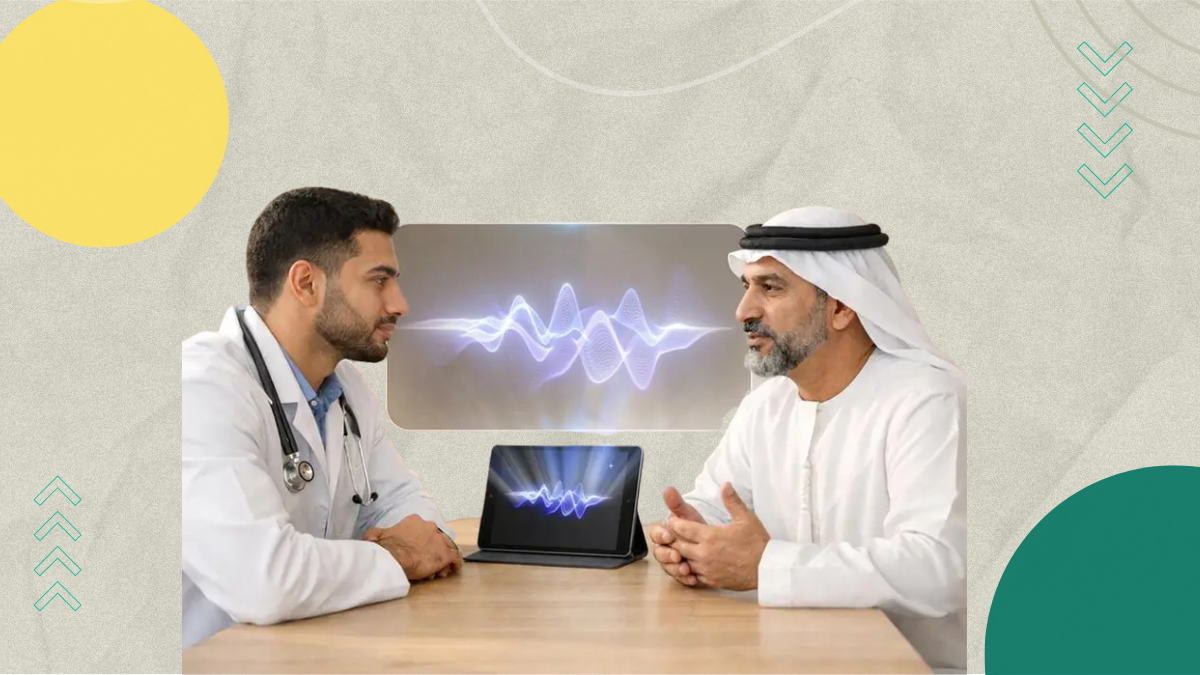
PureHealth has started piloting a new AI assistant called “Nada”, aiming to make life a bit easier for doctors during patient consultations. The tool listens securely during clinical conversations and turns them into organised medical notes in real time. It’s being tested in selected facilities across the group as part of a wider push to boost patient experience and tighten up clinical documentation, all while sticking to Abu Dhabi’s data privacy and regulatory requirements.
The idea behind Nada is fairly simple: let doctors focus on patients, not on scrambling to keep up with typing or scribbling notes. I’ve seen similar frustrations across startups in the healthtech space we sometimes chat with at Arageek—manual documentation can be a real faff and often gets in the way of that human connection people always talk about in medicine. PureHealth seems to be leaning into this “human‑centred” model quite seriously.
As Shaista Asif, the Group CEO, put it, listening is “the foundation of great healthcare”, and the goal with Nada is to support, not replace, the human touch. I reckon that sentiment will resonate with many clinicians who have been wary of tech that feels too intrusive or mechanical.
Before rolling out the pilot, the system went through a multi‑phase testing process across SEHA’s hospitals—from busy primary care clinics to more complex tertiary settings. According to the group, using Nada could cut documentation time by more than half, giving clinicians back an average of two hours a day. That’s no small thing. On the flip side, meeting the accuracy demands of medical language—especially with local dialects in the UAE—can be tricky, but PureHealth claims the tool handles that surprisingly well.
For patients, the immediate gain is more eye contact and fewer repeated explanations. Anyone who’s ever sat in a consultation while the doctor clicks endlessly at a computer will probably be chuffed to bits about that. And believe it or not, the AI sits quietly in the background, only listening within the consultation room, then structuring the information instantly.
Even the name “Nada” carries meaning: in Arabic it suggests calmness and attentiveness. It’s a small detail, but naming can shape how people perceive a technology, especially in healthcare where trust is half the battle… well, most days.
PureHealth frames this move as part of a shift from traditional digitisation to what it calls cognitive healthcare—tech that supports people instead of overshadowing them. I’m not always a fan of buzzwords, but the direction makes sense. With more than 110 hospitals, 316 clinics and a whole ecosystem spanning diagnostics, insurance, pharmacies and health tech, the group has plenty of space to scale this if the pilot goes well. And if Nada delivers even part of what’s promised, it could definately free up precious time in a system where every minute counts.
🚀 Got exciting news to share?
If you're a startup founder, VC, or PR agency with big updates—funding rounds, product launches 📢, or company milestones 🎉 — AraGeek English wants to hear from you!


✉️ Send Us Your Story 👇