 LEAP26
 AI
AI Saudi Arabia
 UAE
UAE Egypt
EgyptQureos Secures $5M to Revolutionise Middle East Hiring with AI Integration

4 min
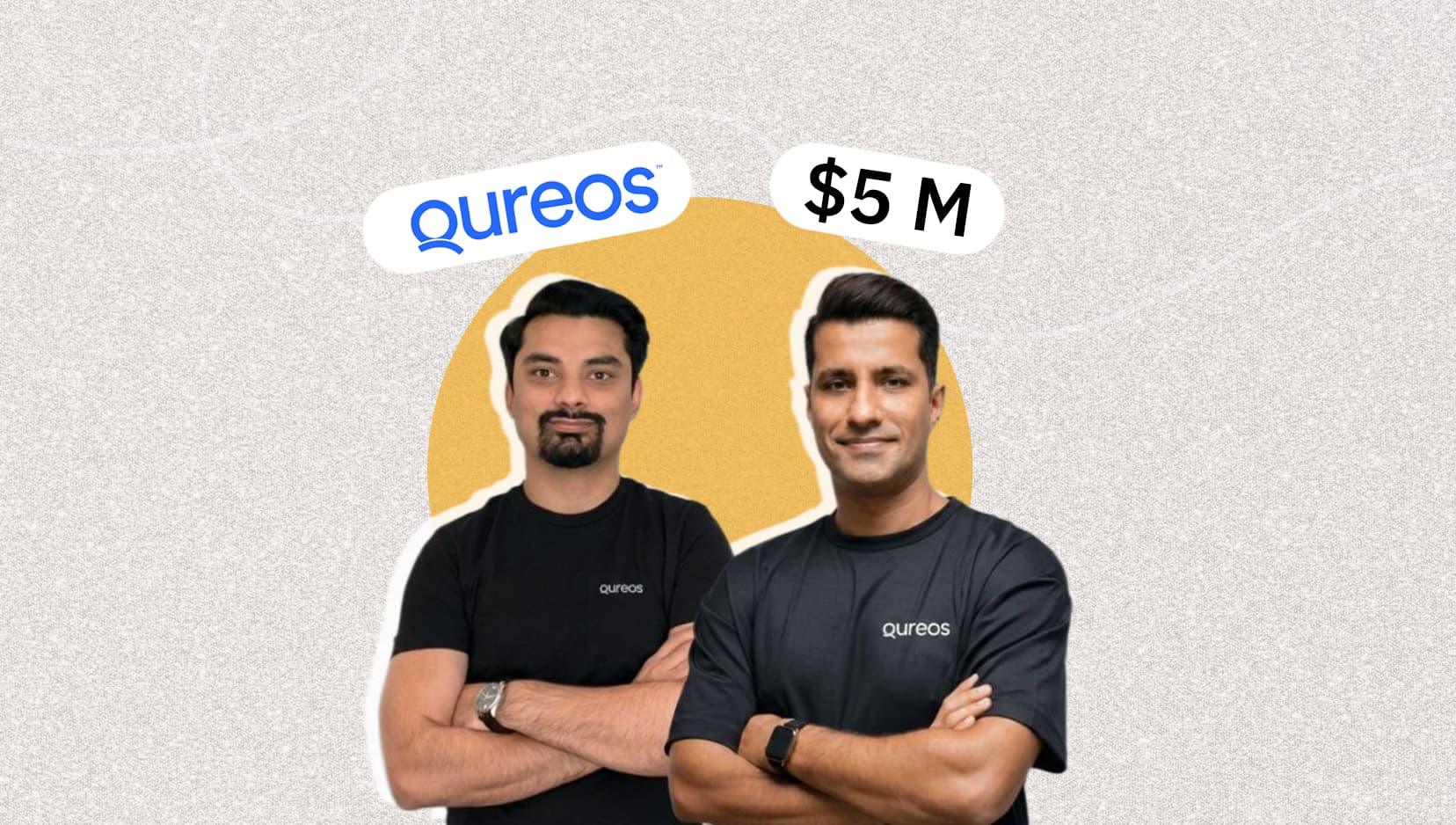
Qureos, a Middle East–born hiring platform, raised $5 million seed funding led by Prosus Ventures.
The founders say hiring fails because it is “fragmented”, not because of too many CVs.
Its AI assistant Iris automates sourcing, screening and interviews across one connected system.
Some employers cut hiring timelines from months to “as little as six days”.
The funding will drive deeper AI development and expansion into new regional markets.
Middle East–born hiring platform Qureos has raised $5 million in seed funding, giving it fresh fuel to expand across the region at a moment when recruitment is becoming a real headache for fast-growing organisations. The round was led by Prosus Ventures and Salica Oryx Fund, with backing from Oraseya Capital, PlusVC, F6 Ventures, BDev Ventures, Sunny Side Venture Partners and Daniel Tyre, an early HubSpot executive. Existing investors COTU Ventures and Globivest also doubled down.
Qureos was founded by Alexander Epure and Usama Nini around a pretty spot on observation: hiring drags on not just because there are too many CVs, but because the whole process is fragmented. Recruiters bounce between tools for sourcing, screening and interviews, while candidates are often left in the dark. I’ve seen this first-hand in regional startups where hiring turns into a bit of a faff and everyone loses patience. Qureos tries to fix that by treating hiring as one connected system rather than a string of manual steps.
The timing makes sense. For companies hiring at scale, especially in sectors where speed can decide who lands the best talent, slow recruitment has become a serious bottleneck. Enterprises using Qureos are now running high-volume, time-sensitive hiring through its platform, in some cases shrinking the process from months to as little as six days. That shift reframes hiring as a competitive edge, not just an HR chore, which I reckon is long overdue in the MENA ecosystem Arageek readers know so well.
Prosus Ventures’ head of Middle East investments, Robin Voogd, said the platform replaces fragmented recruitment workflows with a single intelligent system, helping employers move faster without sacrificing quality. That’s important in growth markets where timing really is everything.
At the centre of Qureos’ approach is Iris, its AI assistant that sits between employers and candidates. For companies and recruitment agencies, Iris acts like an always-on recruiter’s assistant, automating sourcing, screening and interviews. On the candidate side, it matches people to relevant roles across the job market, explains why they’re a good fit and offers early feedback, which, believe it or not, is still rare in hiring today.
Behind the scenes, the platform pushes roles to more than 2,000 job boards globally, as well as social and direct channels. Candidate profiles are enriched using public data and AI prediction models, screened against role requirements in under 15 seconds, then assessed through AI-led audio or video interviews tailored to each role. For organisations hiring at volume, that can wipe out around 15 hours of manual work per role, adding up to roughly a full year of recruiter workload saved. Not bad… well, I mean, if you’ve ever sat through endless CV reviews, you know?
Plus VC founder Hasan Haider described Qureos as infrastructure-level innovation with measurable impact, pointing to reduced time-to-hire and better candidate experience. Today, teams in more than 1,000 enterprise and public sector organisations are using the platform, including Qatar Airways, Dubai Economy and Tourism, BAAN Holdings and Union Properties. It’s also been built with GCC localisation and nationalisation policies in mind, while still integrating neatly with existing HR systems or running on its own.
Epure has said hiring speed is becoming one of the most decisive advantages for modern companies, and that Qureos was built to help employers and candidates meet in the middle with a system that improves with every hire. The new capital will go towards deeper AI development, expanding the go-to-market team and pushing into new geographies through enterprise and agency partnerships. Given how talent wars are heating up, I’m quietly chuffed to bits to see more homegrown tooling like this scaling from the region — even if scaling always brings its own challanges.
🚀 Got exciting news to share?
If you're a startup founder, VC, or PR agency with big updates—funding rounds, product launches 📢, or company milestones 🎉 — AraGeek English wants to hear from you!

✉️ Send Us Your Story 👇