 LEAP26
 AI
AI Saudi Arabia
 UAE
UAE Egypt
EgyptSaudi Arabia Increases Stake in Capcom, Expanding Gaming Influence

3 min
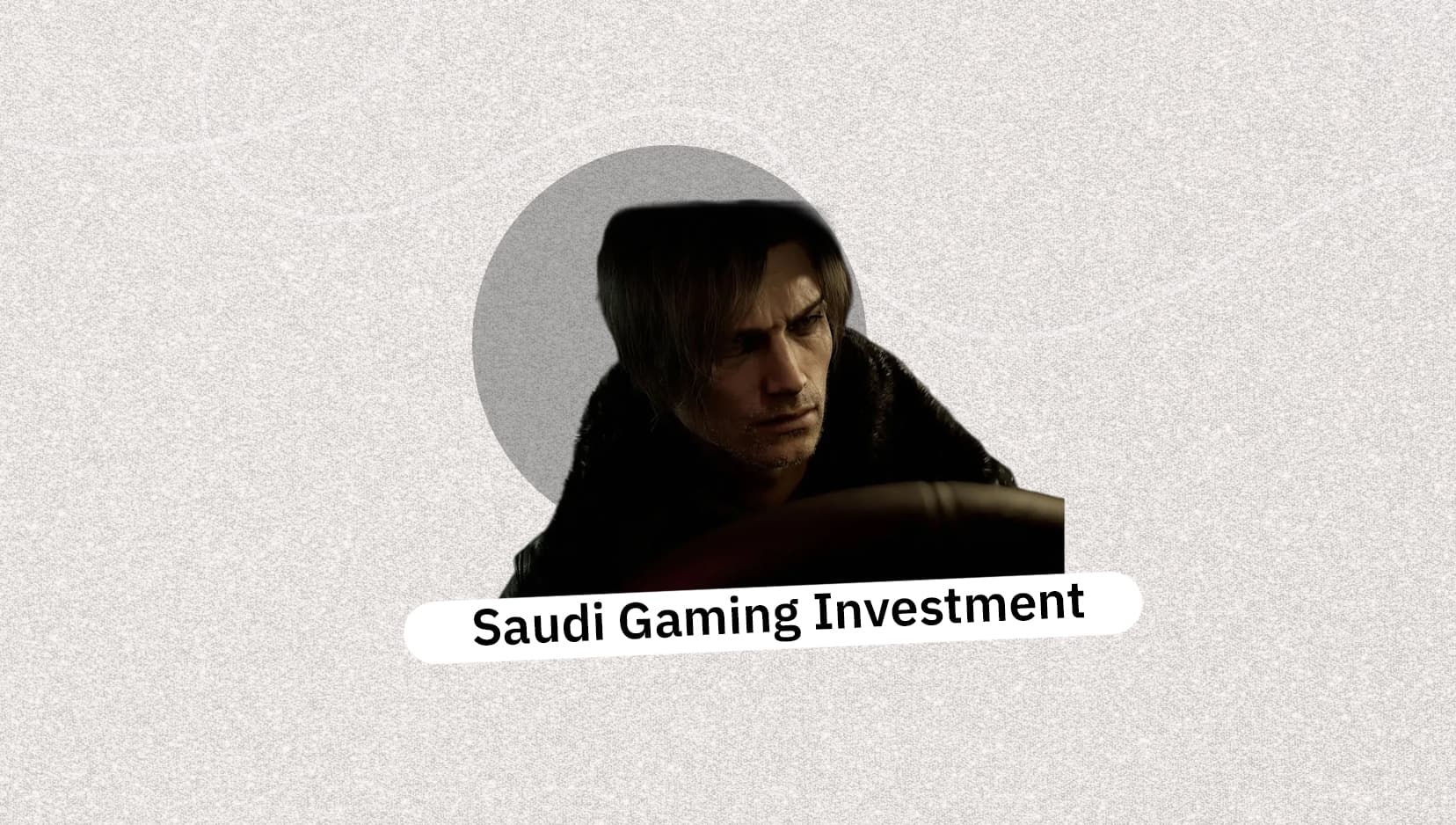
Saudi Arabia has bought a 5,03% stake in Capcom.
EGDC calls it a ‘purely financial’ play for dividends and growth.
Combined with PIF holdings, Saudi-linked ownership now exceeds 10%.
The move fits Vision 2030 plans to expand digital entertainment.
It reflects a ‘long game’ of steady global gaming investments.
Saudi Arabia’s push into the global gaming industry has taken another step forward. Electronic Gaming Development Company (EGDC), based in the Kingdom, has acquired a 5.03% stake in Japanese gaming heavyweight Capcom, according to regulatory filings submitted to Japan’s Kanto Local Finance Bureau.
The documents show EGDC now holds 26.78 million shares in the company behind titles such as Resident Evil and Street Fighter. The investment was described as purely financial, with the aim of generating returns through dividends and potential stock appreciation. In other words, this is less about creative control and more about long-term value, a steady play rather than a flashy one.
That said, it’s difficult to look at this move in isolation. Saudi Arabia has been steadily building its presence in the global gaming ecosystem, and this latest stake adds another serious name to the portfolio. The Public Investment Fund (PIF) has already held more than 5% in Capcom since 2022, which means Saudi-linked ownership in the Japanese publisher now exceeds 10%. That’s not pocket change; it’s a seat at a very interesting table.
I’ve noticed over the past few years how often gaming comes up in conversations with founders and investors across the region. At Arageek, we’ve covered this transformation closely, and I remember speaking to a young Saudi developer at a Riyadh event who said global partnerships were no longer a distant dream but something tangible. Moves like this make that sentiment feel spot on.
EGDC itself is no stranger to gaming assets. It fully owns SNK, the studio behind The King of Fighters franchise, after gradually increasing its stake over time. That acquisition alone signalled a long-term commitment to established intellectual property. And believe it or not, classic fighting games still pull serious loyalty and revenue, sometimes the old-school names pack more punch than the shiny new entrants.
On the flip side, some critics argue that financial stakes, even when labelled passive, can eventually evolve into strategic influence. I’m not saying that’s the case here, but it’s worth keeping an eye on how these shareholdings develop. Gaming is a fiercely competitive, hit-driven industry; having exposure to proven franchises can definately cushion the ups and downs.
More broadly, the Kingdom’s investments in companies such as Electronic Arts and Take-Two Interactive align with its Vision 2030 agenda. The aim is clear: diversify the economy and build a strong footprint in digital entertainment. Gaming, after all, is no longer just a pastime. It’s a multibillion-dollar ecosystem spanning esports, streaming, development studios and global fan communities.
From where I stand, it feels like Saudi Arabia is playing the long game, steady accumulation of high-value assets rather than quick wins. Some might see it as a bold bet; others as a logical extension of its sovereign investment strategy. Either way, it’s clear the Kingdom is not dipping its toes in the water. It’s wading in up to its knees, and perhaps a bit further.
🚀 Got exciting news to share?
If you're a startup founder, VC, or PR agency with big updates—funding rounds, product launches 📢, or company milestones 🎉 — AraGeek English wants to hear from you!

✉️ Send Us Your Story 👇