 GITEX Dubai
 Ai Everything
 LEAP26
 AI
 Saudi Arabia
 UAE
 Egypt
Stellaria Raises $6.8M to Pioneer AI-Driven Space Data Solutions

4 min
UAE-based Stellaria raised $6,8 million, valuing the rebranded startup at about $114,4 million.
It is building an AI-powered geospatial system, turning satellite data into usable insight.
Its Stella platform offers maritime intelligence, image analysis, bathymetry and environmental monitoring tools.
The funding will grow the technical team and speed deployment in the UAE and abroad.
Stellaria still must prove “clear value at scale” against well-funded global geospatial rivals.
UAE-based Stellaria has raised $6.8 million, or AED 25 million, in a seed round, pushing its post-money valuation to roughly $114.4 million, equivalent to AED 420 million. It is one of those deals that catches the eye because it sits at the crossroads of two busy sectors right now: artificial intelligence and space data.
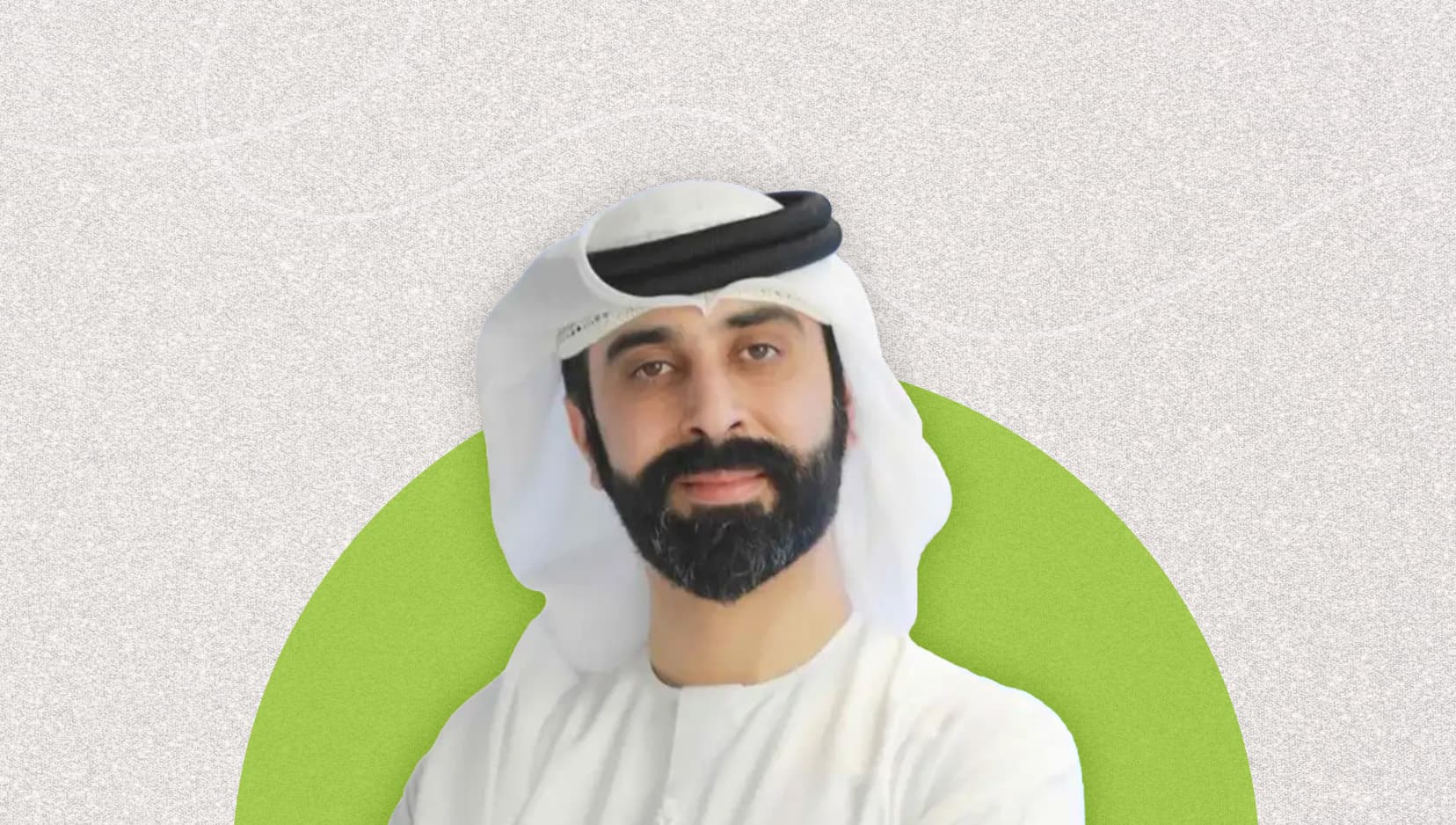
The company, founded by Dr Ali Al Hammadi and previously known as Farmin, is building what it describes as an AI-powered geospatial operating system. In simple words, it wants to turn satellite imagery and location-based data into analysis that governments and businesses can actually use, rather than leaving it as raw pictures and technical layers that are a bit of a faff to work with.
That matters more than it might sound at first glance. Satellite images alone are not the whole story. The bigger opportunity is in combining them with AI so users can track changes in ports, coastlines, infrastructure and facilities, and detect patterns that traditional methods may miss. Stellaria’s bet, then, is not just on space technology for its own sake, but on building a data platform that can serve several sectors at once.
Its product offering includes AI-based satellite image analysis, image enhancement, automated target recognition, maritime intelligence and port solutions, satellite-based bathymetry for measuring water depth, and environmental monitoring tools. These services are delivered through its platform, Stella, which sits at the centre of the company’s strategy.
I’ve seen, especially in conversations around MENA startups, how founders in deep tech often need to explain twice as much just to make people see the commercial side. At Arageek, that kind of journey always feels spot on for the region’s next chapter: less hype, more hard infrastructure. Stellaria seems to be aiming for exactly that, even if the road ahead is not a walk in the park.
According to Dr Ali Al Hammadi, the round marks an important milestone for Stellaria and reflects investor confidence in both the technology and the team. He said the company has moved from being a UAE startup into building a full geospatial operating system that brings together satellite data, AI and advanced analytics in one platform.
The fresh capital is expected to go towards advancing Stellaria’s AI and geospatial technology, expanding its technical team, and speeding up deployment in the UAE and abroad. That said, the use of funds also signals something quite specific: the next phase is likely to be more about turning engineering into scalable commercial products, not just polishing the underlying tech.
The company’s shift from Farmin to Stellaria also says a lot. It reflects a broader repositioning from a narrower early identity towards a wider geospatial and space-tech platform play. And believe it or not, those naming changes can sometimes be more than cosmetic; they often show how a startup sees its real market after the first few years of building.
Stellaria has also taken part in the innovation accelerator programme run by the Mohammed Bin Rashid Innovation Fund, where it received specialist mentorship, strategic guidance and access to the UAE’s wider innovation network. For deep-tech companies, that support can make a real difference. These businesses usually take longer to build, test and sell than ordinary software startups, so patient backing and the right introductions are worth their weight in gold.
On the flip side, funding and a strong technical story do not remove the main challenge. Stellaria still needs to prove its platform can deliver clear value at scale, especially in government, defence, maritime and infrastructure markets, where accuracy, security and reliability are non-negotiable. International expansion could be even trickeir, given the presence of global players with far deeper pockets and long track records in geospatial and space-data analytics.
Still, I reckon the market tailwind is real. Across global tech, AI is moving beyond generic software use cases and into fields tied to physical infrastructure, environmental monitoring and national capability. In that context, the real value of satellites may not lie only in collecting data, but in extracting economic meaning from it quickly and reliably.
For the UAE, Stellaria’s growth fits a bigger national push to strengthen its position in advanced technologies. By combining AI with geospatial intelligence, the startup is tapping into a wider trend in which space-generated data becomes useful only when it is transformed into decisions. If Stellaria can convert this new funding into scalable products, commercial contracts and sustainable overseas traction, it could become one of the more interesting deep-tech stories to watch from the region.
🚀 Got exciting news to share?
If you're a startup founder, VC, or PR agency with big updates—funding rounds, product launches 📢, or company milestones 🎉 — AraGeek English wants to hear from you!


✉️ Send Us Your Story 👇