 Ai Everything
 LEAP26
 AI
AI Saudi Arabia
 UAE
UAE Egypt
EgyptTelecom Egypt and Power Sub Link Unite for New Subsea Cable Boost

4 min
Telecom Egypt and Power Sub Link plan a 200-kilometre subsea cable between Sharm El-Sheikh and Taba.
The repeaterless system will carry about 5 petabits per second from late 2027.
It extends the Red Sea Festoon system, adding "better redundancy" and more landing points.
Officials say it strengthens Egypt’s "Internet Corridor" with greater route diversity and resilience.
Taba’s growing role could open another digital corridor towards Jordan, the Levant and Europe.
Telecom Egypt is lining up another piece in Egypt’s connectivity puzzle, this time through a deal with Greece-based Power Sub Link SA to build a 200-kilometre subsea cable between Sharm El-Sheikh and Taba. The project may sound highly technical at first glance, but the idea is quite simple: create a new high-capacity route across Sinai and give Egypt’s Red Sea infrastructure a stronger backbone.
The planned cable will be repeaterless, meaning it is designed to operate without subsea signal boosters along the route, and it will carry a high fibre count with a design capacity of about 5 petabits per second. If all goes to plan, the system should enter service in the fourth quarter of 2027. Telecom Egypt says the route is expected to be among the shortest, fastest and most secure links between the two points, while also helping to complete the connection between the Red Sea and the Mediterranean through what it calls Egypt’s Internet Corridor.
In practical terms, the new system will extend Telecom Egypt’s existing Red Sea Subsea Festoon Cable System along the Sinai coast. Once built, it will form a continuous subsea path linking Suez, Zafarana, Ras Ghareb, Sharm El-Sheikh and Taba. That matters because more routes and more landing points usually mean better redundancy. In this business, that is not just a nice extra, it is spot on what international carriers want when traffic volumes keep rising and outages are a real headache.
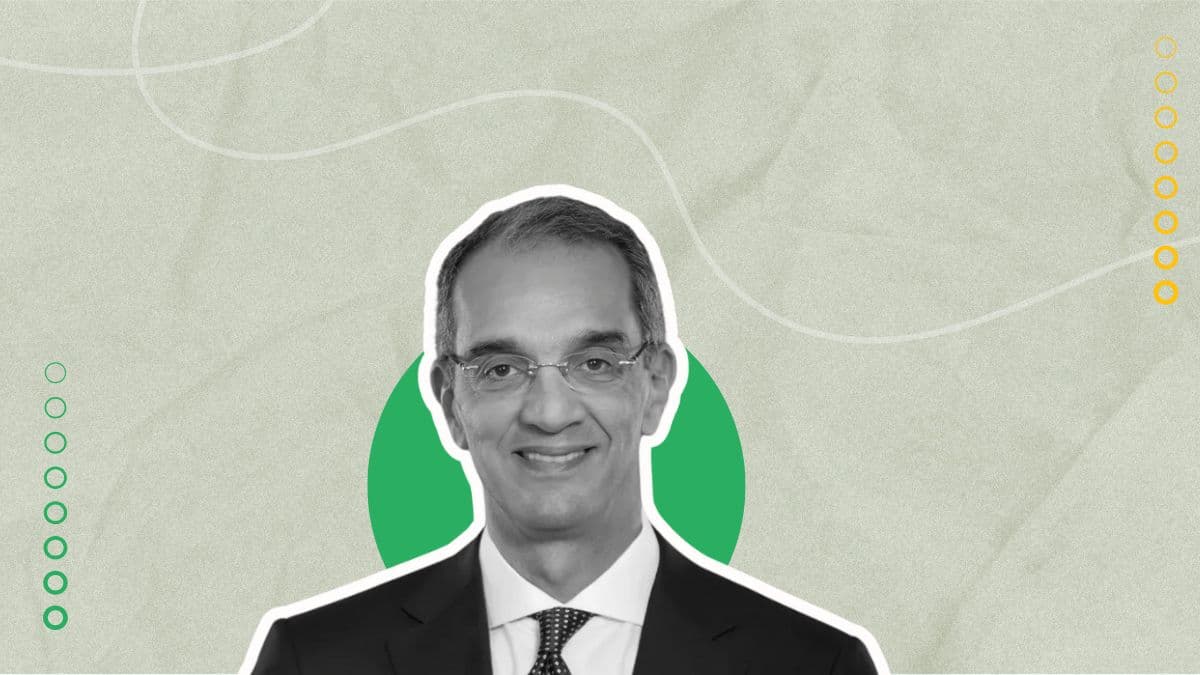
The agreement was signed in Cairo by Telecom Egypt managing director and chief executive Tamer El Mahdi and Power Sub Link managing director Byron Skaftouros, with ICT Minister Raafat Hendy present. Hendy said the agreement supports Egypt’s push to strengthen international connectivity while improving route diversity and resilience. He added that the new subsea cable reinforces Sinai’s role as an important part of the country’s digital infrastructure.
El Mahdi, for his part, said the project fits Telecom Egypt’s updated strategy of expanding its role in digital infrastructure and strengthening its position both regionally and internationally. That is a corporate line, sure, but it also reflects a wider race now under way across the region. Everyone wants more capacity, more security and fewer single points of failure, and well… I mean, that is hardly a surprise when so much global traffic depends on a handful of critical paths.
One detail worth watching is Taba itself. The city is becoming more valuable in Telecom Egypt’s wider international infrastructure map because of its link to the Coral Bridge submarine cable, a project developed jointly by Telecom Egypt and Jordanian operator NaiTel. Coral Bridge already connects Taba across the Gulf of Aqaba to Jordan’s data hub network. Add the new Sharm El-Sheikh-Taba system to that, and the result is another possible digital corridor stretching towards Jordan, the Levant, the wider Middle East and on to Europe.
That said, the bigger story here is not only raw capacity. I reckon the real strength of this project is route diversity. Egypt already sits in a crucial geographic position between Asia, Africa, the Middle East and Europe, and figures cited with the announcement say around 17% of global internet traffic passes through the country. But geography alone does not cut it anymore. Operators want multiple options, stronger resilience and less dependence on any one terrestrial or subsea segment. On the flip side, building all this infrastructure is never cheap and never simple, so the pressure will be on to deliver to schedule.
For readers at Arageek who follow the region’s digital economy closely, this sort of move tells a broader story. I have seen before how founders, cloud providers and fast-growing tech firms in MENA can get badly stuck when infrastructure becomes a bottleneck; it is a bit of a faff, honestly, and growth suffers fast. Projects like this do not grab the same attention as a flashy startup funding round, but they often make the difference in the background. That is why the Sharm El-Sheikh-Taba cable looks definately important, even if most people will never see it.
The next steps are fairly clear: construction progress, the final technical setup of the high-fibre system, and whether global carriers actually weave this route into their wider network plans by 2027. If they do, Egypt’s eastern gateway through Taba could become even more central to international data flows — and believe it or not, that may be the part with the biggest long-term payoff.
🚀 Got exciting news to share?
If you're a startup founder, VC, or PR agency with big updates—funding rounds, product launches 📢, or company milestones 🎉 — AraGeek English wants to hear from you!


✉️ Send Us Your Story 👇