 LEAP26
 AI
AI Saudi Arabia
 UAE
UAE Egypt
EgyptTpay Secures Egypt’s First Licence for Direct Carrier Billing of Government Fees


3 min
Tpay secures Egypt's first licence for direct carrier billing of government services.
This allows payments through mobile balances for government fees like electricity and civil registry services.
Tpay's framework aims to widen access to Egypt's digital economy using mobile-based payments.
With 76% bank account ownership, mobile penetration highlights opportunity for non-bank-dependent solutions.
Smooth operation could solidify Tpay's role in Egypt's evolving mobile payment landscape.
Tpay has just taken a pretty meaningful step in Egypt’s push toward wider digital payments, securing the country’s first licence from the National Telecom Regulatory Authority to offer direct carrier billing for government services. I remember chatting with a young founder in Cairo last year who told me how paying something as simple as a traffic fine could be “a bit of a faff” for anyone without a bank card. So this move, honestly, feels spot on.
What the licence does is fairly straightforward: it lets people settle government fees — from electricity bills to civil registry services — simply by using their mobile balance or adding the charge to their monthly phone bill. No need for bank accounts, cards or long queues. Given how many Egyptians rely on their phones for almost everything, it’s a shift that could make life smoother for millions.
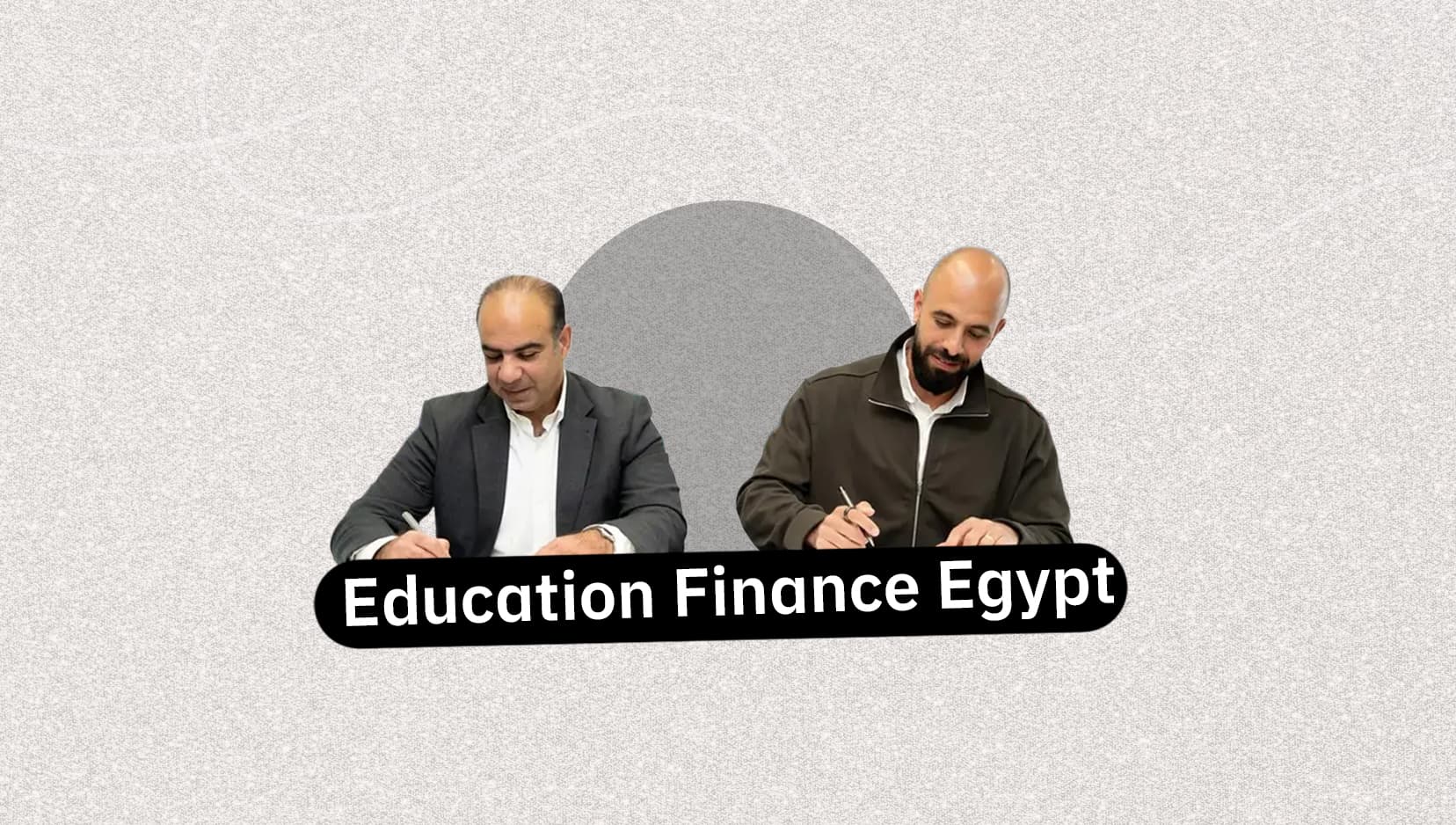
The agreement was signed by Ahmed Nabil, Tpay’s General Manager, and Mohamed Shamroukh, the head of the NTRA. And believe it or not, the timing aligns neatly with Egypt’s own data showing that while more than 76% of adults now have bank accounts, mobile and mobile internet penetration is almost universal. That’s a huge opportunity for payment options that don’t depend on traditional banking.
Tpay’s Group CEO, Isik Uman, described the development as a turning point for enabling secure, seamless payments for government services through mobile numbers. From what’s been shared publicly, he emphasised that the licensed framework should help build a national digital payment channel that widens access and supports the country’s evolving digital economy. I reckon this kind of infrastructure often gets overlooked, yet it’s the backbone for all the flashy fintech use cases we love to talk about at Arageek… well, I mean, when startups aren’t arguing over valuations.
On the flip side, the real test will come when more government services start moving online. If the rollout is smooth — and that’s a big “if”, considering how operational shifts can be a headache — Tpay could reinforce its role as the main enabler for mobile-based government payments in Egypt. The company already works across more than 30 countries and partners with big tech names like Google and Huawei, so the scale is there. It just needs to mesh well with local needs, and people can be a bit picky, you know?
Still, this framework sets a clearer path for government fee collection and could make digital services more reachable for those who’ve been left out so far. And I’m quietly chuffed that moves like this keep nudging the region in a direction that supports more inclusive digital economies. After all, at Arageek we’ve always believed in solutions that break down barriers rather than build new ones — even if the journey is definately never as tidy as the press releases suggest.
🚀 Got exciting news to share?
If you're a startup founder, VC, or PR agency with big updates—funding rounds, product launches 📢, or company milestones 🎉 — AraGeek English wants to hear from you!



✉️ Send Us Your Story 👇