 Ai Everything
 LEAP26
 AI
AI Saudi Arabia
 UAE
UAE Egypt
EgyptTradex Expands UAE-Iraq Trade with New Digital Ecosystem Initiative

4 min
Tradex expands its digital trade ecosystem to ease UAE-Iraq commerce.
Iraq offers 24 million consumers, with trade targeted at $60bn by 2030.
The platform links payments, banks and logistics under “one roof”.
It promises structured entry, lower risk and faster clearance via Dubai.
Success hinges on smoother onboarding and trust in safer payments.
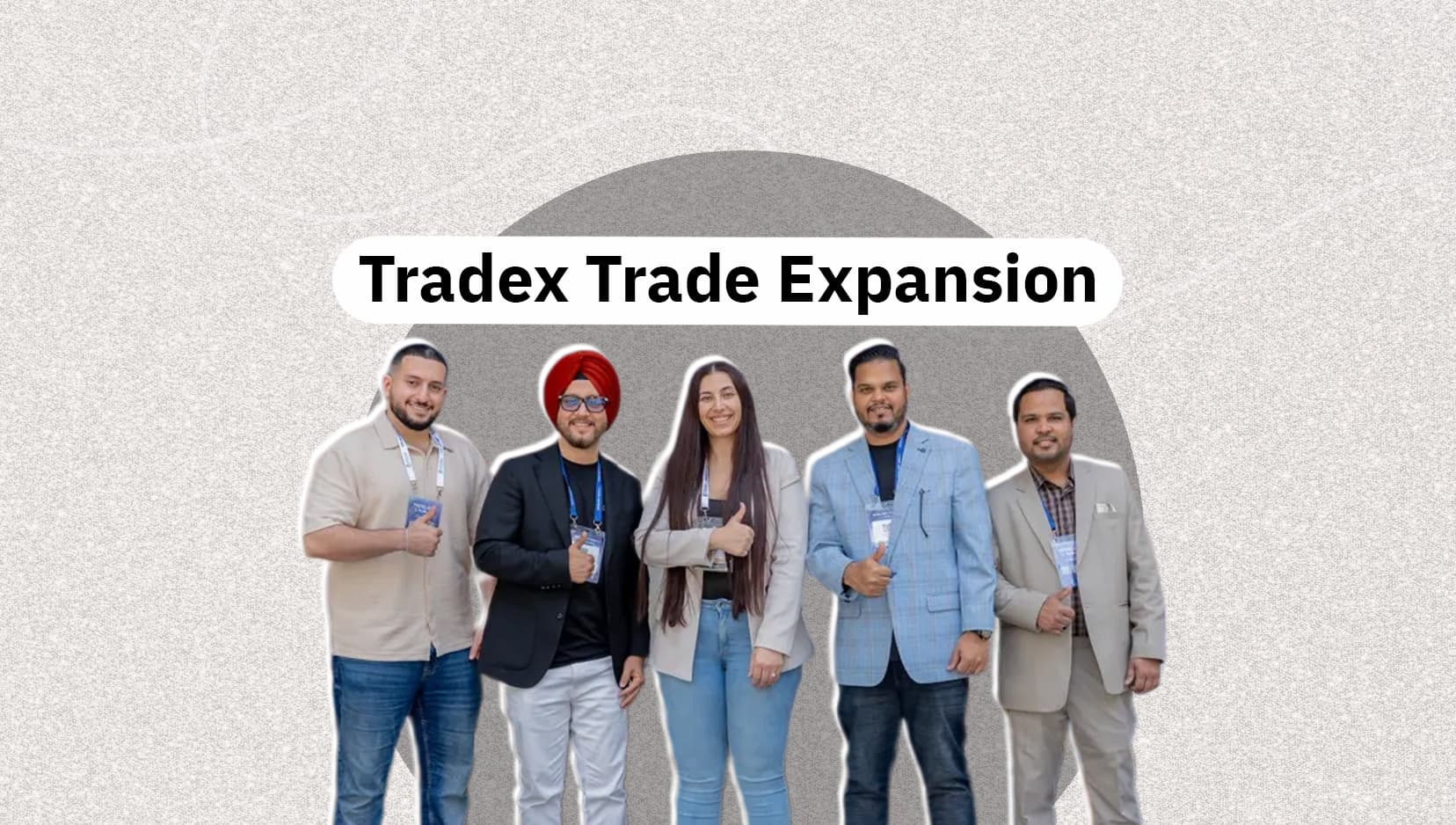
Tradex is doubling down on its ambition to make cross-border trade between the UAE and Iraq less of a faff and far more structured. At the WORLDEF Dubai 2026 Forum, the region’s largest gathering focused on digital commerce, running until 14 February, the UAE-based company laid out how it is expanding its integrated digital trade ecosystem to help Emirati businesses enter the Iraqi market in a secure and organised way.
It’s easy to see why Iraq is on the radar. The country counts more than 850,000 small and medium-sized enterprises and over 24 million active consumers. That’s not a niche market, it’s a sizeable, dynamic consumer base. Trade between the UAE and Iraq reached around $33 billion in 2024, and both sides are aiming to push that figure to $60 billion by 2030. For UAE exporters in FMCG, construction materials, electronics and digital services, that’s a door wide open.
Ahmed Kadhum Mohammed, Chief Investment Officer at Tradex, said the company is “not simply providing a trade platform” but building a digital trade bridge that reduces distance and risk while unlocking growth for UAE firms. He described Iraq as one of the largest regional expansion opportunities today, adding that the platform offers a structured pathway for companies to enter the market with confidence through a combined technological and banking ecosystem.
From my own years watching startups try to crack neighbouring markets, I’ve seen how messy cross-border trade can become. Multiple intermediaries. High collection risks. Endless paperwork. It can be exhausting, and sometimes founders just give up. Platforms that try to streamline this process are not new, but what makes a difference is execution, and whether banks and logistics players are properly aligned.
Tradex’s pitch is that it brings these moving parts together under one roof. Through a single platform, it connects payment and financial settlement solutions, banking-backed trade connectivity, logistics via Dubai, digital transaction management, order tracking, supply chain monitoring and collection systems. In short, it aims to cut out the fragmentation that often slows things down.
The framework is built around financial and commercial compliance standards, supported by partnerships with international advisory entities. The idea is to strengthen trust between UAE exporters, Iraqi buyers and banks, while reducing default risk. And believe it or not, trust is still the currency that matters most in regional trade.
Dubai’s infrastructure plays a starring role here too. Advanced logistics services, relatively flexible customs systems and fast clearance processes, combined with a mature banking environment, are all positioned as key enablers. That backbone, Tradex argues, helps make exports to Iraq faster and more efficient, with potential to expand later into other regional markets.
On the flip side, platforms like this will need to prove themselves over time. Digital promises are spot on in theory, but traders care about one thing: does it actually make life easier and payments safer? I reckon adoption will depend heavily on how smoothly onboarding works and how quickly disputes, if any, are resolved.
Tradex is inviting UAE companies in consumer goods, food, electronics, construction materials, industrial products and digital services to join its growing trade network. Registration and onboarding are now open for firms eyeing sustainable regional growth.
For founders reading Arageek and thinking about Iraq, the opportunity is definately not small. The trade corridor is already active; the question is who can navigate it smartly. If platforms can genuinely reduce risk and complexity, they might just turn what used to be a bureaucratic maze into a clearer growth path — and that would be something many in the ecosystem would be chuffed to bits about.
🚀 Got exciting news to share?
If you're a startup founder, VC, or PR agency with big updates—funding rounds, product launches 📢, or company milestones 🎉 — AraGeek English wants to hear from you!
✉️ Send Us Your Story 👇