 Ai Everything
 LEAP26
 AI
AI Saudi Arabia
 UAE
UAE Egypt
EgyptUAE and China Forge Bold Path to Double Trade with Tech Collaboration

4 min
The UAE‑China Entrepreneurs Forum targets increasing bilateral trade to $200 billion by 2030.
The gathering involved over 60 Chinese deep-tech startups with Emirati delegates discussing collaborations.
Agreements were signed to foster UAE-China joint ventures in AI, robotics and advanced tech.
The UAE's startup ecosystem, though smaller, is rapidly expanding with strong government support.
The forum aims to create a lasting cooperation platform, potentially boosting global market access.
The gathering of Emirati and Chinese founders in Shanghai this weekend felt like one of those moments where the numbers finally catch up with the ambition. The UAE‑China Entrepreneurs Forum opened with a clear target on the table: pushing bilateral trade from last year’s 101.8 billion dollars to 200 billion by 2030. A bold leap, but with tech, AI and all the other fast-moving bits of the innovation world in the mix, I reckon it’s not as far-fetched as it sounds.
More than 60 Chinese startups—mostly deep-tech outfits working on everything from robotics to advanced manufacturing—took part, sitting alongside Emirati delegates and industry specialists. From what I’ve seen over the years at Arageek, whenever founders from these two ecosystems talk shop, something sparks. And this time, the forum wasn’t just about nice conversations; it came with a bundle of agreements between the Emirates Entrepreneurs Association, Vertix Holdings, China Future Technology Fund and CATE’s Innovation and Integration arm. On the surface, it looks like classic cross-border cooperation, but you can feel the intent: serious capital, serious know-how, and serious appetite for joint projects.
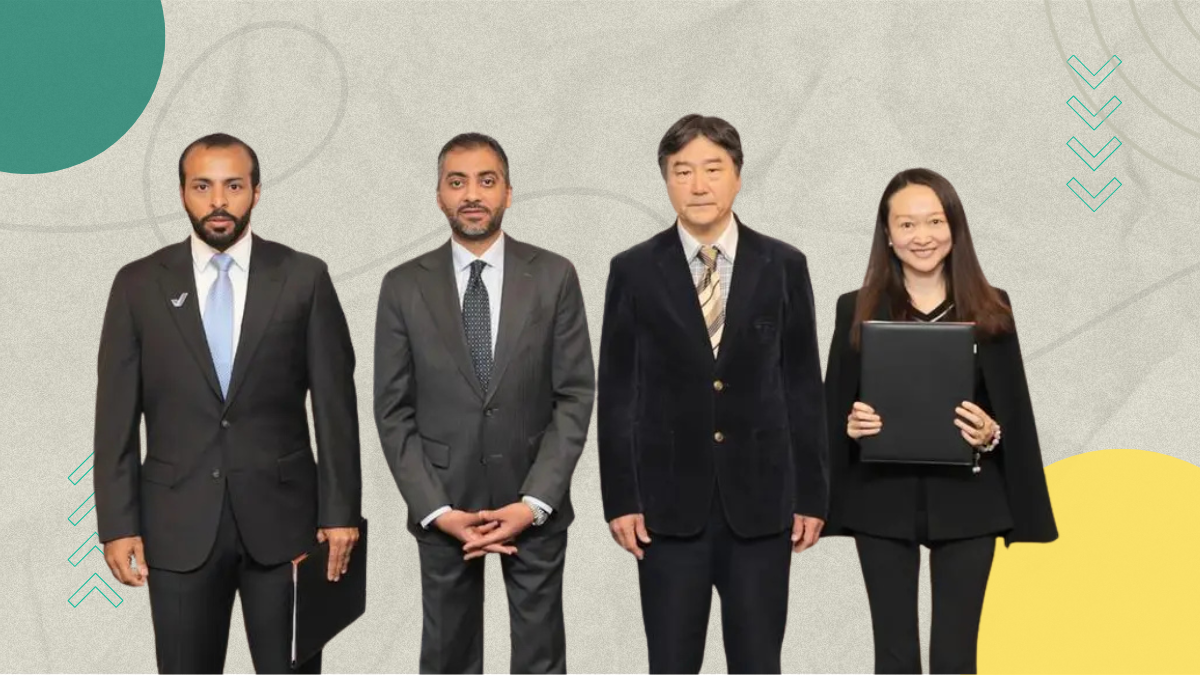
The UAE Consulate General in Shanghai threw its weight behind the event, with Consul General Muhannad Sulaiman Al Naqbi attending the signing. He was joined by Amer Al Ahbabi—who heads both the Emirates Entrepreneurs Association’s Empowerment and Development Committee and Vertix Holdings—as well as Khalifa Al Dhaheri, the group’s Vice Chairman. They stood alongside senior Chinese officials who have been pushing the country’s innovation agenda for years.
China’s startup landscape is, frankly, enormous. More than 116,000 startups, over 30,000 of which have attracted roughly 1.02 trillion dollars in investment. There are 146 unicorns roaming around, and the ecosystem continues to churn out fresh companies—more than 10,000 of them in the last five years alone. Funding rounds are happening at a dizzying pace; 2024 alone saw 2,537 VC deals. Yes, some startups shut down—more than 25,000, in fact—but that’s the nature of the game.
By comparison, the UAE’s ecosystem is smaller but growing at a clip that would make most countries jealous. Close to 53,000 startups now call the Emirates home, and roughly 2,815 have pulled in about 97 billion dollars in funding. What caught my eye is that the country has between 11 and 14 unicorns—impressive for such a young ecosystem. Growth numbers are spot on too: more than 32 percent nationwide this year, and even higher in Dubai. And believe it or not, the government wants to push the total number of companies to over two million by 2031. That’s… well, ambitious, but the UAE has a habit of turning big goals into real projects.
Tech funding this year hit two billion dollars by the third quarter, mostly driven by enterprise applications, fintech and proptech. Honestly, none of this is a surprise; investor confidence and government backing have made these sectors feel like safe bets. Still, I’m not a fan of the occasional hype-run we see in some niches—feels a bit of a faff for founders trying to stay grounded.
At the forum, Al Ahbabi said the new agreements would “usher in a new era” for UAE-China entrepreneurship, especially in cross-border funding. He framed the deals as part of Vertix Holdings’ broader push into AI, smart computing, microchips and R&D. Al Dhaheri echoed the sentiment, saying the group sees these collaborations as a key piece of future innovation between the two countries.
Vertix also described the forum as a “qualitative leap”—their words—for building a long-term cooperation platform. They even hinted at welcoming Chinese partners to Abu Dhabi soon for the next phase of projects.
As someone who’s spent years watching founders hustle across the MENA region, I couldn’t help thinking back to conversations with young entrepreneurs who often told me they just needed the right bridge to global markets. This kind of UAE‑China corridor, if it goes beyond the signing-ceremony glow, might finally be that bridge. And I’m chuffed to bits whenever I see something that gives startups a real shot, even if the path is definately never as smooth as the glossy announcements suggest.
For now, both sides seem set on turning this momentum into something lasting. Let’s see if they manage to keep the flame burning long after the Shanghai spotlights dim.
🚀 Got exciting news to share?
If you're a startup founder, VC, or PR agency with big updates—funding rounds, product launches 📢, or company milestones 🎉 — AraGeek English wants to hear from you!




✉️ Send Us Your Story 👇