 GITEX Dubai
 Ai Everything
 LEAP26
 AI
AI Saudi Arabia
 UAE
UAE Egypt
EgyptWHOOP Raises $575M, Reaches $10.1B Valuation, Expands Into Middle East

4 min
WHOOP raised $575m, valuing the wearable health firm at $10,1bn.
Gulf investors and celebrities back expansion across Qatar and the UAE.
WHOOP Labs Doha will be its first overseas performance R&D base.
The platform uses AI and vast data to drive “preventative” health insights.
Leaders say the GCC is “forward-looking” on longevity and performance science.
WHOOP has secured $575 million in fresh Series G funding, pushing its valuation to $10.1 billion and reinforcing its ambition to become a global powerhouse in personalised health. For those of us watching the health-tech space across the Gulf, it feels like one of those moments where things quietly shift up a gear.
The round was led by Collaborative Fund, with strong backing from regional heavyweights including 2PointZero Group, Qatar Investment Authority (QIA), and Mubadala Investment Company. Big global names also joined the cap table, from Abbott and the Mayo Clinic to Macquarie Capital (entities administered by Macquarie Capital), Glade Brook, B-Flexion, IVP, Foundry, Accomplice, Affinity Partners and Bullhound Capital.
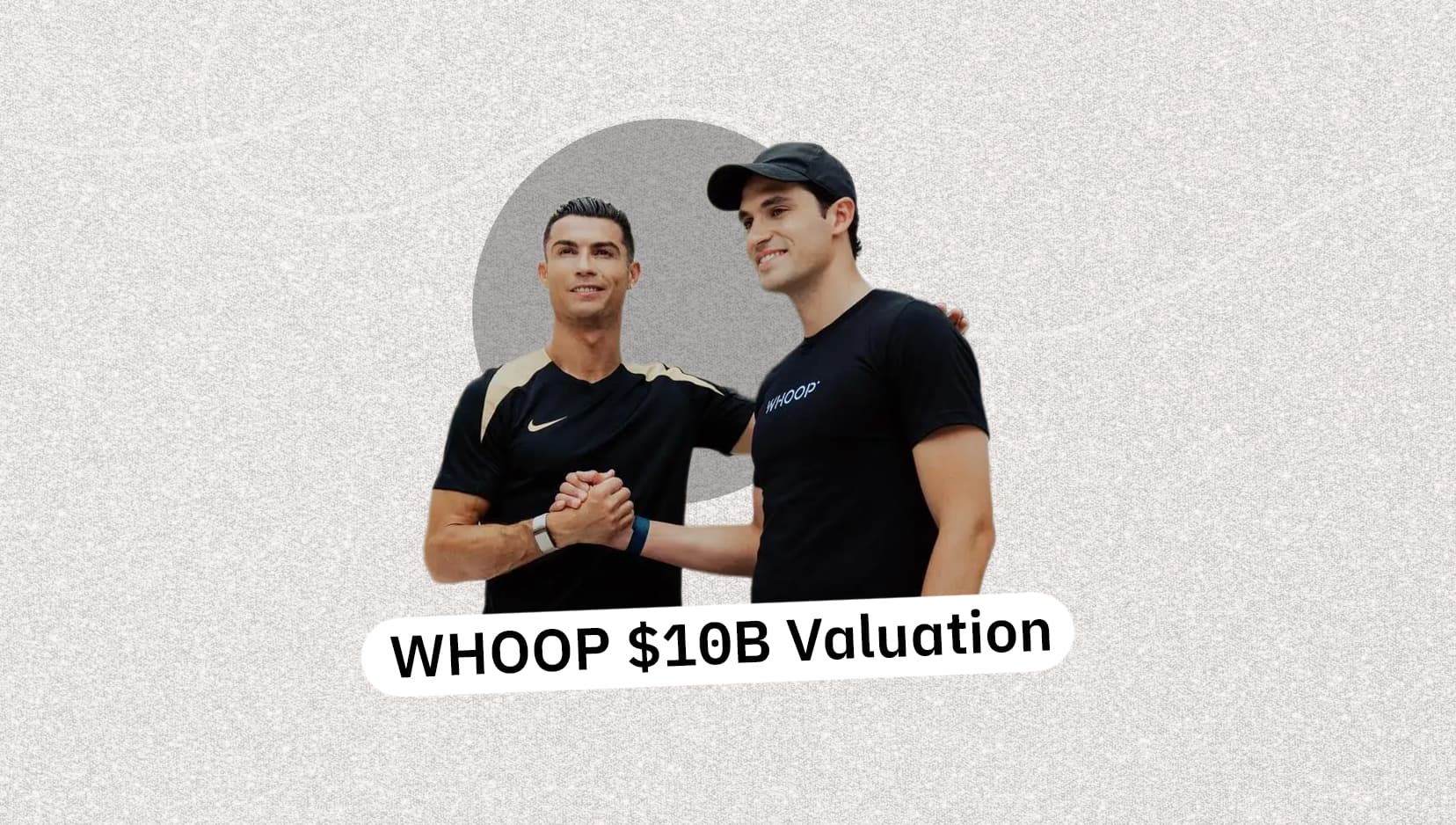
Then there’s the celebrity factor. Cristiano Ronaldo and Karen Wazen, both with strong ties to the GCC, are among the individual investors, alongside LeBron James, Rory McIlroy, Reggie Miller, Niall Horan, Virgil van Dijk and Shane Lowry. It’s a roster that underlines WHOOP’s crossover appeal – somewhere between elite sport, lifestyle brand and serious health platform.
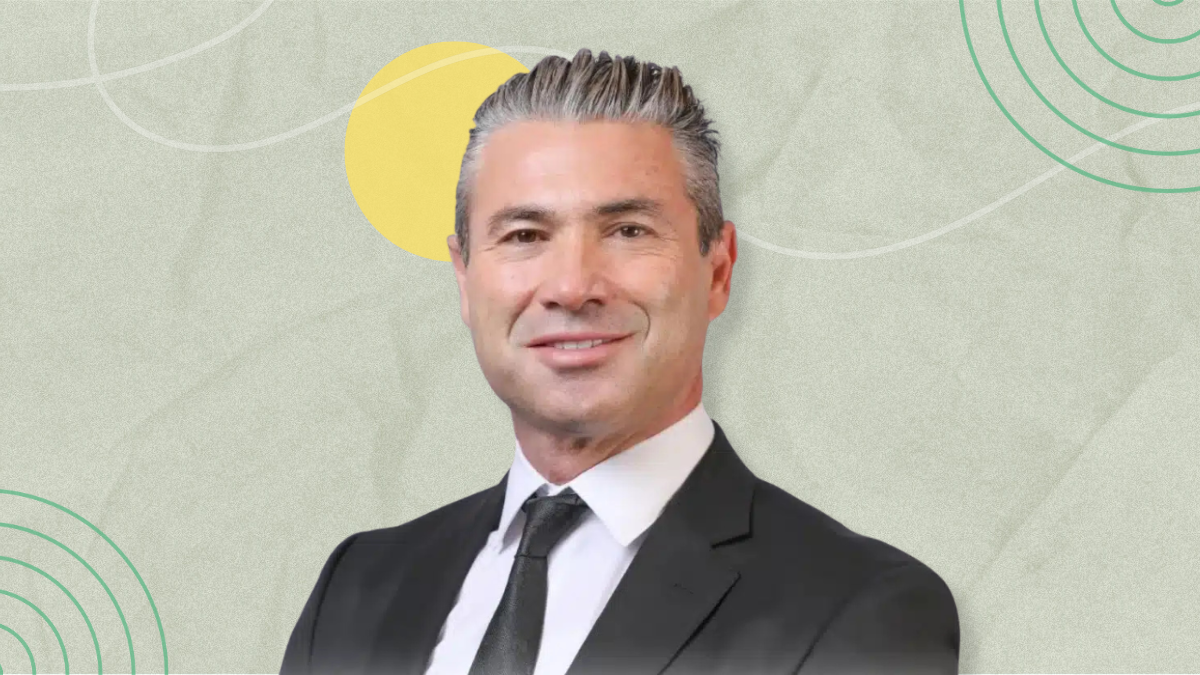
The company’s founder and CEO, Will Ahmed, has described the Middle East as one of the most forward-looking regions globally when it comes to health, performance and longevity. He pointed to expanding local teams, a growing retail footprint and deeper partnerships across regional health ecosystems. In fairness, the GCC has been putting real weight behind preventative health and performance science, so the alignment feels pretty spot on.
And here’s the interesting bit. As part of its international push, WHOOP plans to open WHOOP Labs Doha in the coming months, its first international performance research and development facility. That’s not a token outpost; it signals long-term commitment. Alongside Qatar, the company is ramping up initiatives in the UAE to drive adoption and embed itself into the broader health and human performance landscape.
From what’s been shared, WHOOP’s model rests on more than 24 billion hours of physiological data, combined with purpose-built AI systems. Users check the app over eight times a day on average – nearly three times more than other screenless wearables. The device tracks sleep, recovery, strain and broader health signals, helping users adjust behaviour in real time. The platform also includes FDA-cleared ECG capabilities, blood pressure insights and advanced blood biomarker analysis.
It’s all part of a bigger bet: that healthcare should shift from reactive to preventative. Chronic disease is rising globally, while most systems still wait for something to go wrong before acting. WHOOP is positioning itself as a continuous, wearable layer that flags early warning signs and nudges behaviour before problems escalate. I reckon that preventative angle is where the real long-term value sits, especially in markets like the Gulf where governments are investing heavily in longevity and population health.
Cristiano Ronaldo, both an investor and global ambassador, has said WHOOP is one of the most important tools he uses to support his long-term health, adding that no other company has built such a powerful health platform that people are proud to wear. That pride element matters more than we sometimes admit, wearables can be a bit of a faff if they don’t blend into daily life.
WHOOP, founded in Boston in 2012, has now raised more than $900 million in venture capital. It ships to 56 countries and operates in six languages. According to company data, members who wear WHOOP daily log over 90 extra minutes of exercise per week, get more than two additional hours of sleep, and show 10% higher heart rate variability.
On the flip side, the wearable health market is crowded, and not everyone is convinced that more data always equals better health. I’m not a fan of tech for tech’s sake. But when data becomes actionable, simple and genuinely preventative… well, that changes the game.
For founders and operators across MENA reading this on Arageek, there’s something energising about seeing global health-tech players choosing the GCC not just as a sales market, but as a research base. It sends a clear message: innovation doesn’t need to orbit Silicon Valley forever. Sometimes, the centre of gravity shifts.
And just like that, a $10.1 billion company is doubling down on the region. It will definately be interesting to see how this plays out over the next few years.
🚀 Got exciting news to share?
If you're a startup founder, VC, or PR agency with big updates—funding rounds, product launches 📢, or company milestones 🎉 — AraGeek English wants to hear from you!

✉️ Send Us Your Story 👇