 GITEX Dubai
 Ai Everything
 LEAP26
 AI
 Saudi Arabia
 UAE
 Egypt
Botim Unveils UAE’s First Jaywan Prepaid Card, Boosts Financial Inclusion

5 min
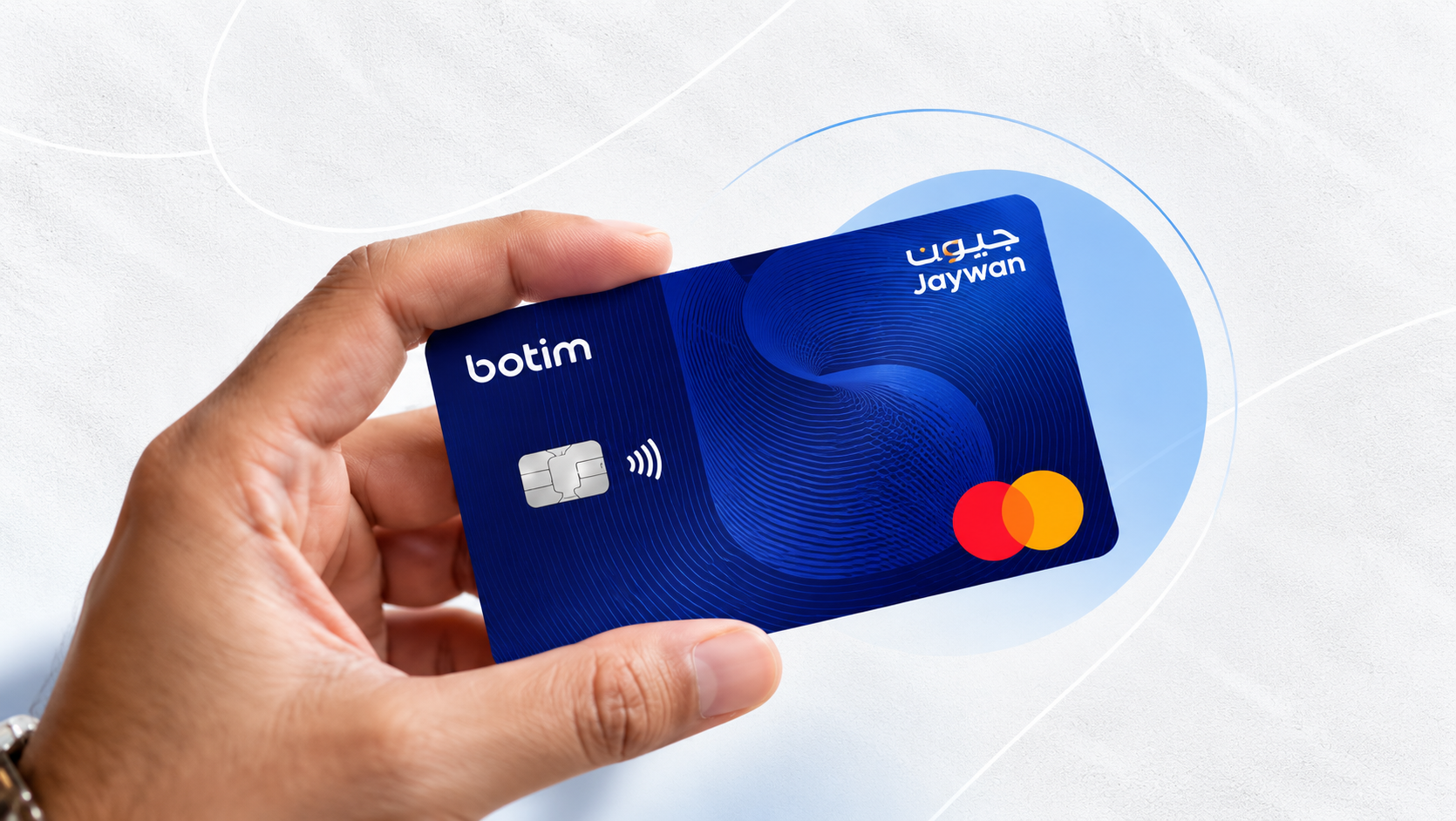
Botim launched the UAE’s first Jaywan prepaid card, aimed at workers using digital payroll.
Jaywan keeps payments "inside the country", boosting local control, security and everyday usability.
Employers can pay salaries digitally, while staff spend online and in shops easily.
The first phase targets 200,000 workers, with hopes of reaching 4 million over time.
No minimum balance, remittances, offers and small gold investments widen financial inclusion.
Botim has rolled out the Botim One Jaywan Prepaid Card in the UAE, becoming the first fintech in the country to issue a prepaid card under Jaywan, the national card scheme. It is a notable step, and not just for the headline. For many workers, especially those paid through digital payroll systems, this could make everyday spending a bit less of a faff and a bit more straightforward.
Jaywan is operated by Al Etihad Payments, a subsidiary of the Central Bank of the UAE, and it is built to keep domestic card payments routed and processed inside the country. In simple words, the idea is to strengthen local control over payments infrastructure, improve security around payment data, and create a payments system that fits the UAE market rather than relying only on international rails. It works across point-of-sale terminals and online shopping, and it also includes rewards and offers tailored for consumers in the UAE.
Botim is entering that picture through its payroll business. The company is accredited by the Ministry of Human Resources and Emiratisation to provide Wages Protection System services, so it already sits inside a regulated salary-disbursement network. With this launch, employers using Botim’s WPS solution can pay salaries digitally, while employees can use the new prepaid card for purchases in shops and online. That said, the move goes beyond simply receiving wages. It links wage digitisation to wider everyday use, which is often where financial inclusion either becomes real or stays only on paper.
The first phase is expected to reach more than 200,000 workers through Botim’s corporate payroll relationships and partnerships with exchange houses across the UAE. Over time, the company says it wants to extend access to as many as 4 million workers. I reckon that scale target is ambitious, but it is not plucked from thin air. Botim says it has more than 8.5 million users in the UAE, and within its fintech user base around 65% are blue-collar workers while another 31% are in grey-collar roles. That is a pretty specific detail, and it shows why the company sees workforce communities as the right place to push adoption.
H.E. Dr. Tariq BinHendi, CEO of Botim, said the UAE is setting a clear direction for the future of financial services by investing in infrastructure that is efficient, resilient and built for long-term national growth. He described Jaywan as an important step in strengthening the country’s payments ecosystem, supporting financial inclusion and advancing digital transformation, adding that Botim is proud to support wider adoption of the scheme among workforce communities central to the UAE economy.
Andrea Cianchetti, Chief Products Officer at Al Etihad Payments, said the launch of the first Jaywan prepaid card by Botim helps expand the UAE’s domestic card scheme and reflects Jaywan’s focus on financial inclusion. According to him, as more banks, fintechs and regulated financial institutions introduce Jaywan products, the scheme will reach more customer segments and cover a broader range of daily payment needs. He also said the Botim launch shows how prepaid cards can extend secure digital payments to workforce communities and support their role in the UAE’s national payment strategy.
And believe it or not, one of the more interesting parts here is not the plastic card itself but the surrounding services. Botim says users of the card can access multilingual digital onboarding with no minimum salary or balance requirement, send money to more than 170 destinations, use over 125 dining, travel and lifestyle offers, and even invest in fractional gold and silver from AED 10. Eligible users may also access credit products. For readers at Arageek who watch the region’s startup scene closely, this is where the story gets quite spot on: the real race in fintech is rarely about one product, it is about building a stack of services around people who were ignored for years.
I’ve seen time and again across MENA that when financial tools are designed with workers in mind, not just higher-income customers, adoption can move fast—well... if the onboarding is simple and the trust is there. On the flip side, plenty of firms talk a big game about inclusion and then bury users in conditions and paperwork. Botim’s no-minimum approach could help avoid that, although the real test will definately be in day-to-day use.
The wider policy angle matters too. The rollout fits with the UAE’s Financial Infrastructure Transformation Programme, the National Digital Economy Strategy and We the UAE 2031. In other words, this is not happening in isolation. It is tied to a broader national effort to build locally issued, locally processed financial tools at scale. Whether that turns into a genuine shift for millions of workers is the big question, but for now Botim has managed to get first out of the gate—and in fintech, that can count for a lot.
🚀 Got exciting news to share?
If you're a startup founder, VC, or PR agency with big updates—funding rounds, product launches 📢, or company milestones 🎉 — AraGeek English wants to hear from you!






✉️ Send Us Your Story 👇