 Ai Everything
 LEAP26
 AI
AI Saudi Arabia
 UAE
UAE Egypt
EgyptBybit Bets Big on UAE with New MENA Strategy Amid Regional Tensions

4 min
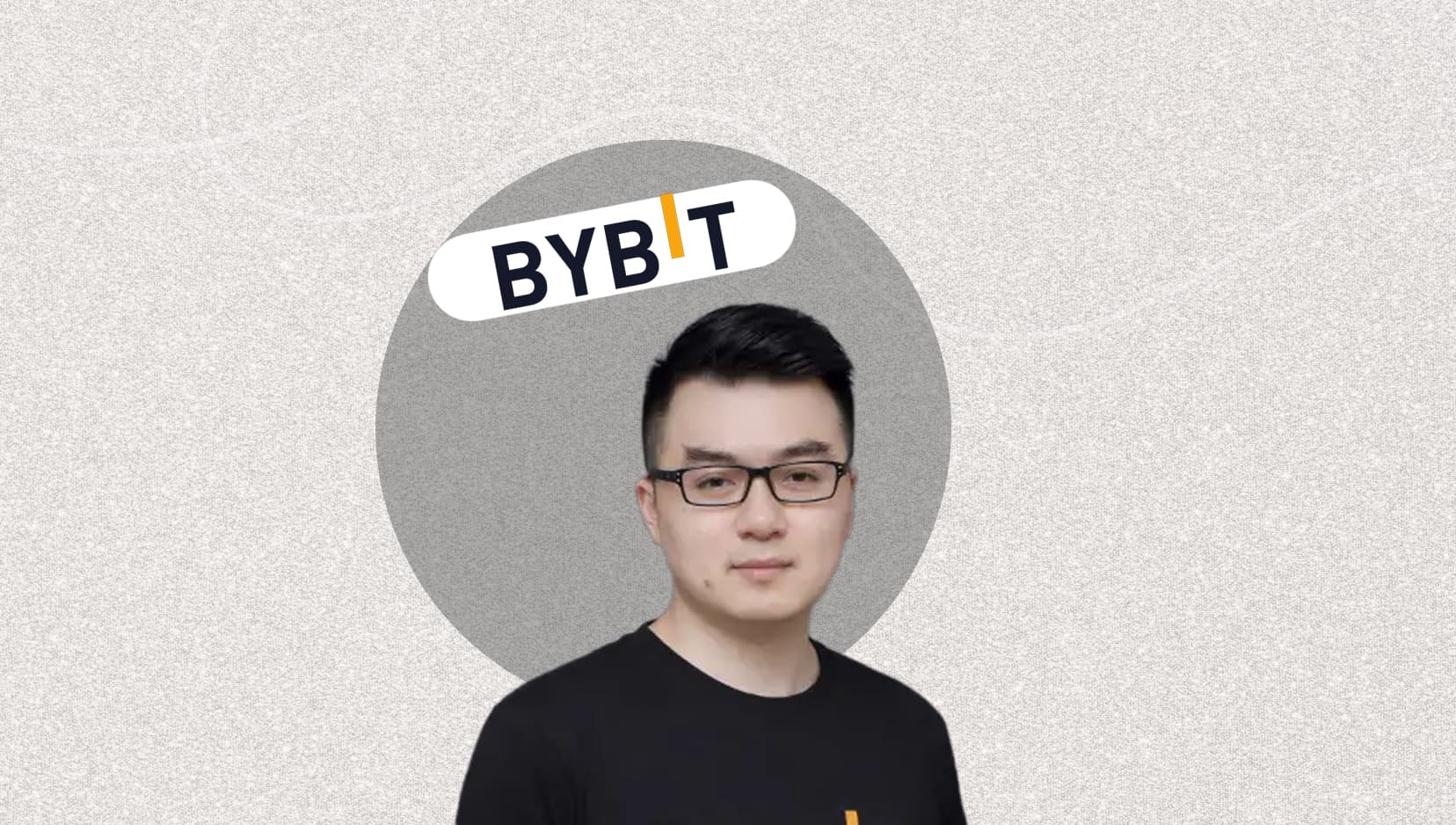
Bybit names Derek Dai MENA chief, cementing the UAE as its base.
The exchange secured an SCA licence, gaining a firm regulated footing.
It is “doubling down” despite tensions, activating continuity plans and 24/7 operations.
Plans include AED access, bank partnerships and more Shariah-compliant products.
Bybit says it will stay “for the long haul” in the Gulf.
Bybit, the world’s second-largest cryptocurrency exchange by trading volume, is doubling down on the UAE. The company has appointed Derek Dai as its new Country Manager for the Middle East and North Africa, signalling that it sees the Emirates not just as a market, but as a long-term base for its regional ambitions.
Dai will oversee Bybit’s strategy across MENA, covering everything from market expansion and regulatory engagement to institutional partnerships and localised product development. The move comes shortly after the exchange secured its licence from the UAE’s Securities and Commodities Authority (SCA), a milestone that gives it a regulated footing in the country.
Helen Liu, co-CEO of Bybit, was clear about the company’s stance. The UAE, she said, gave Bybit a home, and you don’t walk away from home when things get tough. While some firms are reportedly reassessing their exposure to the Gulf amid geopolitical tensions, Bybit is choosing the opposite path, deepening its investment and presence instead.
It’s a bold message, but perhaps not surprising. I’ve seen many startups across MENA pivot at the first sign of uncertainty. The ones that stick around, that build real relationships with regulators and communities, are often the ones that last. In that sense, this feels less like a publicity line and more like a strategic bet.
Dai himself described the Middle East as one of the regions shaping the future of digital finance, with the UAE leading through what he called a progressive and well-regulated ecosystem. His focus, he noted, will include deeper engagement with financial centres such as DIFC and DMCC, expanding infrastructure that links digital assets with everyday financial services, and pushing forward tokenised real-world assets, essentially turning traditional assets into blockchain-based instruments.
In practical terms, Bybit plans to expand AED fiat access, strengthen partnerships with banks and payment providers, and develop more Shariah-compliant products to enhance its Islamic finance offering. That last point is not a small detail. Islamic finance is a massive market across the Gulf, and crypto firms that ignore it are, frankly, missing a trick. Dai also pointed to Bahrain as one of the next key milestones in Bybit’s regional roadmap.
That said, the timing is interesting. The appointment comes amid heightened geopolitical tension in the region. Rather than scaling back, Bybit says it has activated comprehensive Business Continuity Protocols across its Dubai and Abu Dhabi operations. These include daily management check-ins, real-time employee safety confirmations, and relocation or travel assistance where necessary. Services, the company stressed, remain stable and staffed around the clock.
Liu reiterated that the company’s commitment to the UAE is for the long haul, through growth and adversity alike. Alongside its business activities, Bybit has also partnered with the Emirates Red Crescent during Ramadan, supporting the Iftar Tent initiative and organising employee volunteer efforts. On the flip side, some may see this as standard corporate social responsibility. But in this region, community presence can be just as important as regulatory approval.
For users across the UAE, Saudi Arabia, Qatar and the wider Gulf, the company insists operations are uninterrupted and funds are secure. It’s a direct message at a time when crypto markets can feel, well… a bit of a rollercoaster.
From where I stand, watching the region’s startup and fintech scene evolve over the years, the UAE’s ambition to become a global digital asset hub is spot on. The regulatory clarity offered by bodies like the SCA has definately made it more attractive for global players. Whether Bybit’s expanded commitment will pay off in the long run is another question, but in a sector known for quick exits and shifting loyalties, staying put might just be the smartest move of all.
🚀 Got exciting news to share?
If you're a startup founder, VC, or PR agency with big updates—funding rounds, product launches 📢, or company milestones 🎉 — AraGeek English wants to hear from you!
✉️ Send Us Your Story 👇