 LEAP26
 AI
AI Saudi Arabia
 UAE
UAE Egypt
EgyptCNTXT AI Unveils Emirati Voice Tech, Advancing Authentic Regional AI Models

4 min
CNTXT AI launches Munsit, a text-to-speech model in Emirati Arabic.
It aims for “human-like” tone, rhythm and cultural authenticity.
93% preferred it over global models for naturalness and dialect accuracy.
Organisations report 20–40% cost savings with faster automated responses.
The launch reflects a push for “sovereign solutions” across the UAE.
Voice technology is moving at full speed globally. From Google to OpenAI and ElevenLabs, everyone seems to be racing to make AI speech sound more human. Yet, for many of us in the region, something always felt slightly off. The accent was neutral, the rhythm unfamiliar, close, but not quite spot on.
That’s the gap CNTXT AI says it wants to close.
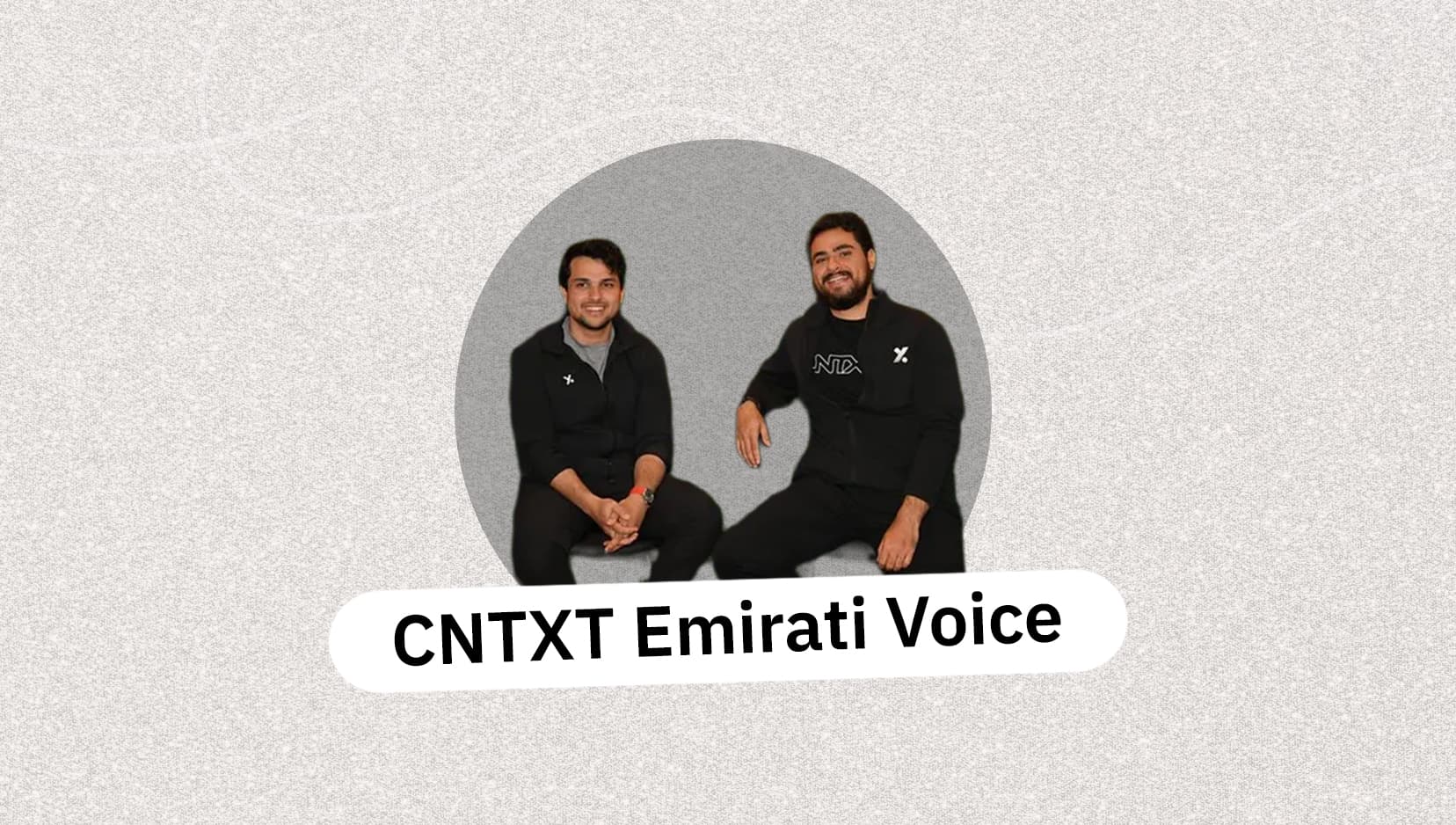
The Abu Dhabi-based company has unveiled Munsit Emirati TTS, a text-to-speech model built to generate real-time, human-like Emirati Arabic for both enterprise and consumer use. In simple terms, it converts written text into spoken Emirati Arabic almost instantly, but with a tone and cadence designed to sound like how people actually speak here, not how a machine thinks they should.
I’ve always believed that language is more than words; it’s identity. And in the startup world across MENA, we see this tension often, incredible technology layered on top of systems that weren’t really designed for us. For years, many voice solutions in the region relied heavily on English-first or “neutral” Arabic models. It worked, technically. But culturally? Well… I mean, it never quite landed.
Munsit Emirati TTS is designed for practical, large-scale deployment. Think banks handling thousands of automated calls, government entities managing citizen services, telecom providers fielding customer queries, or AI assistants guiding users through apps. Instead of sounding scripted or robotic, the system aims to respond with the tone and fluidity familiar to Emirati Arabic speakers.
In blind tests involving Emirati and Arabic-speaking participants, 93 per cent reportedly preferred Munsit over leading global voice models when it came to naturalness, emotional expression, and dialect accuracy. That’s not a small margin. It places the system among the more advanced Arabic voice models currently available.
There’s also a strong operational angle. Organisations using AI-driven voice systems have seen cost reductions ranging from 20 to 40 per cent, alongside faster response times, particularly in high-volume environments like contact centres. On the flip side, cost savings alone are never enough if the experience feels cold or disconnected. That’s where dialect fidelity becomes more than a technical detail; it becomes a trust factor.
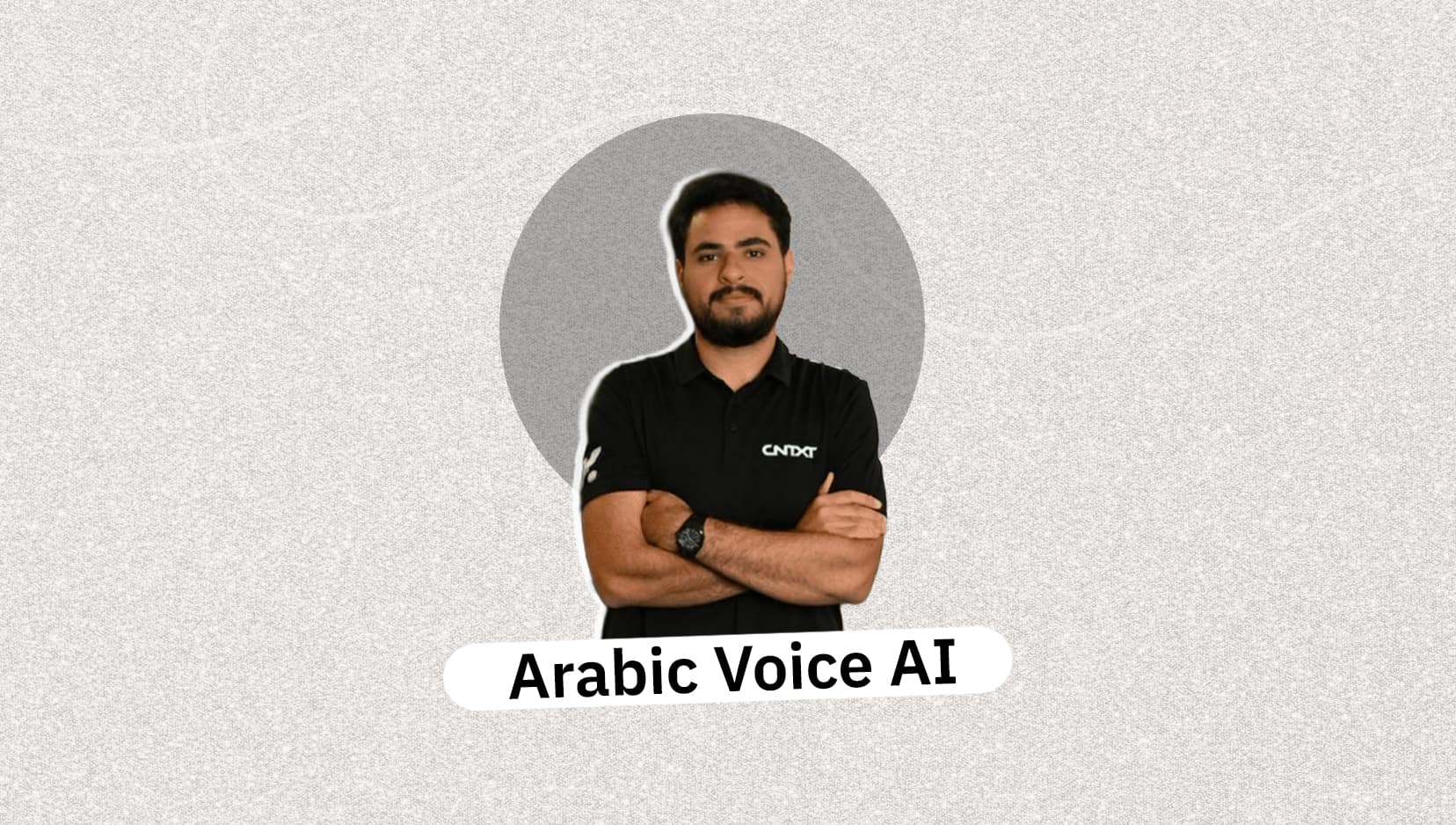
Mohammad Abu Sheikh, Founder and CEO of CNTXT AI, described voice as no longer just an interface but an expression of identity. He noted that, for a long time, the region depended on systems that did not fully reflect how people communicate, and argued that building technology aligned with real language use directly affects trust and engagement.
Shameed Sait, AI Director at CNTXT AI, pointed out that most voice systems were not originally designed for Arabic, and certainly not for the Emirati dialect. He explained that what Munsit does goes beyond generating speech, it attempts to capture rhythm, tone and cultural context, while maintaining reliability at scale in real-world environments.
And that “at scale” detail matters. It’s one thing to demo a beautiful AI voice in a controlled setting. It’s another to deploy it across government departments or financial institutions where compliance, clarity and consistency are critical. Any glitch becomes a bit of a faff operationally, and reputationally too.
The launch also sits within a broader shift across the UAE and wider MENA region. Organisations are increasingly moving away from imported or generic systems towards solutions that reflect local identity and sovereignty, not just in data control, but in user experience. I reckon that’s a healthy direction. If AI is becoming the public-facing voice of institutions, it should sound like the people it serves.
CNTXT AI positions itself as a data and AI company focused on sovereign solutions, offering services from training data and annotation to fully integrated AI deployment. Alongside Munsit, it develops tools such as TestAI, aimed at assessing AI performance before rollout, a detail many startups sometimes overlook in the rush to deploy.
As voice interfaces become more central across banking, public services and digital platforms, expectations are changing. Performance is important, yes. But how technology sounds — and how it makes people feel, is becoming just as critical.
For the UAE ecosystem, having a native Emirati voice AI model could be more than a technical milestone. It might definitly signal a broader maturity in how the region builds, owns and shapes its technology narrative. And for founders across MENA reading this on Arageek, that’s something worth paying attention to.
🚀 Got exciting news to share?
If you're a startup founder, VC, or PR agency with big updates—funding rounds, product launches 📢, or company milestones 🎉 — AraGeek English wants to hear from you!



✉️ Send Us Your Story 👇