 Ai Everything
 LEAP26
 AI
AI Saudi Arabia
 UAE
UAE Egypt
EgyptITIDA Head at Techne Summit Cairo 2026: Building a Technology Ecosystem to Drive Industry Growth

7 min
Ahmed El Zaher said Egypt needs a “full ecosystem”, not scattered efforts, to grow tech.
ITIDA backs skills, startups, freelancers and R&D, while linking talent to real market demand.
Government now fills gaps, especially beyond Cairo, through Creativa hubs and TIEC support.
AI and data centres offer fresh openings, but need skills, rules and stronger local firms.
The bigger challenge is scaling: helping startups raise capital, enter markets and meet global investors.
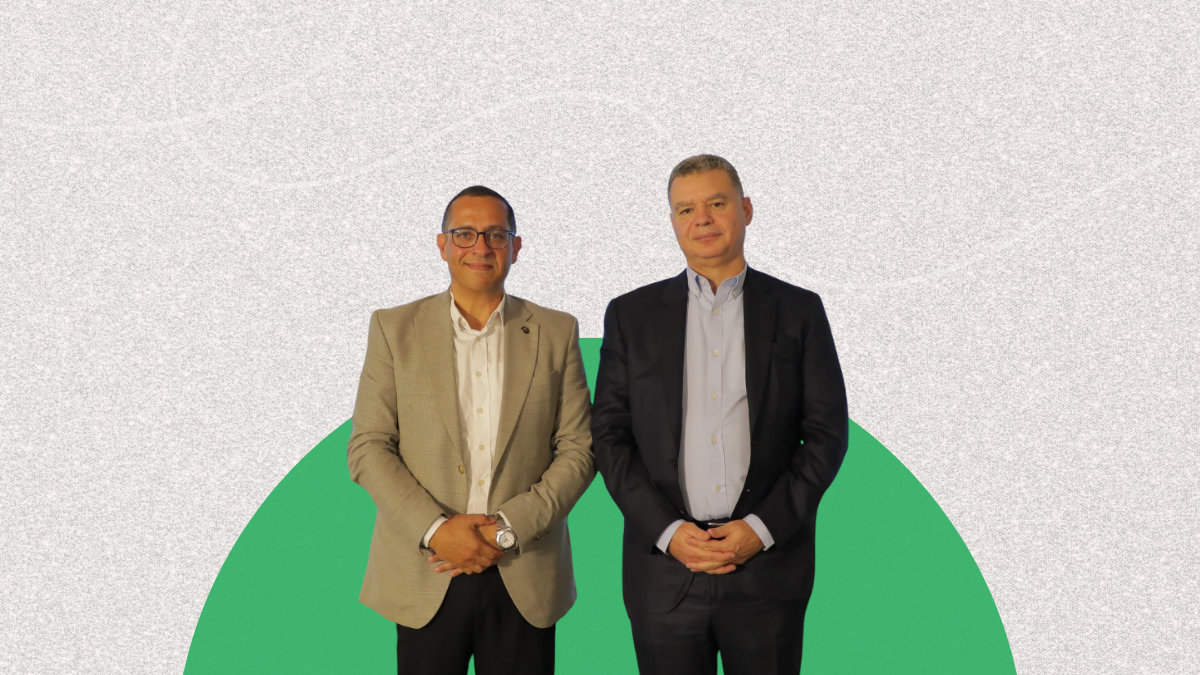
Ahmed El Zaher, chief executive of Egypt’s Information Technology Industry Development Agency, or ITIDA, used the stage at Techne Summit Cairo 2026 to make a fairly clear point: if Egypt wants a stronger tech sector, it needs a full ecosystem, not scattered efforts here and there. Speaking during a fireside chat with Tarek El Kady, founder of Techne Summit, El Zaher said the real job is to connect talent, companies, founders and investors with opportunities at home and abroad. That, in his view, is what helps the industry grow, create jobs and add more value to the economy.
It is a message we hear often in the startup world, sure, but I reckon this one lands because it goes beyond the usual buzzwords. El Zaher described ITIDA’s role as working across the whole chain: building skills, backing entrepreneurs and startups, helping freelancers tap local, regional and global demand, strengthening local tech firms, supporting innovation and R&D, and also attracting international companies to expand in Egypt through technology and global services centres. In short, the agency is trying to build capacity at both the individual and company level, while linking that capacity to actual market demand. That sounds spot on, because talent without market access is a bit like having a brilliant engine with nowhere to drive it.
The conversation also looked back at how Egypt’s entrepreneurship scene has changed over more than two decades. El Zaher said the early days were very different, when tech entrepreneurship was still a new idea and the market lacked the institutions and support systems founders now take for granted. Back then, the government’s role was to lay the groundwork and help shape the environment. One key step was the launch of the Technology Innovation and Entrepreneurship Centre, TIEC, in 2010, which became an early platform for incubating tech ventures and helping entrepreneurs turn ideas into businesses that could grow.
Since then, the picture has shifted quite a lot. Egypt’s ecosystem now includes more venture capital funds, accelerators, incubators, large companies and a broader crop of startups across different sectors. El Zaher said that as the ecosystem matures, the government’s role should not disappear, but it should change. Where the private sector can cover the needs, government steps back. Where there are gaps, especially in new or underdeveloped areas, it steps in. On the flip side, a mature market still throws up fresh gaps, and that is where policy and support programmes can make the diffrence.
One of those gaps is geographic. With Cairo now having a relatively established base of investors, accelerators, companies and founders, ITIDA is focusing more on bringing the ecosystem to other governorates. El Zaher said Egypt has a wide pool of engineering and tech talent outside the capital, but access to investors, know-how, companies and global networks has stayed concentrated in major cities. So the idea now is not to copy-paste Cairo from scratch, but to widen the circle through Egypt’s Digital Innovation Hubs, known as Creativa, and other entrepreneurship support centres that can plug regional talent into the larger local and international ecosystem.
This effort has reached areas including Aswan, Alexandria and the Delta governorates. And believe it or not, the numbers are not small. In the first half of 2026, up to the end of June, more than 33,600 young people were trained, over 3,000 entrepreneurs were supported, and more than 1,200 startups received backing through TIEC and Creativa. For readers at Arageek who keep an eye on whether support schemes actually leave Cairo, that detail matters. I’ve seen many founders from outside the capital feel that getting noticed is a bit of a faff, so any move that brings investors and mentors closer to them could be genuinely useful.
Artificial intelligence came up too, unsurprisingly. El Zaher said AI is reshaping how products, services and business models are built, while opening new ways to create economic value in the digital economy. He argued that Egypt has real advantages here, especially its base of skilled people, engineering capabilities and emerging tech companies. The opportunity, he said, is not only in using AI to improve productivity and services, but also in building applications, solutions and products that can serve both domestic and international markets.
That said, he also framed AI as more than a technology shift. It is a change in the nature of work and the skills companies will need, which is why ITIDA is putting weight behind training, startup support and stronger local tech firms. Well... I mean, that is probably the sensible angle. I’m not a fan of treating AI as magic dust. For startups in MENA, the harder question is always whether they can turn it into a practical, paying product.
The discussion also touched on data centres and cloud infrastructure, two areas getting more investor attention. El Zaher pointed to Egypt’s strategic location as a major gateway for international data and communications traffic, along with the progress in digital infrastructure, as factors creating fresh openings for the country. He noted recent investments in Egypt’s data centre sector and said the government is working on a more complete regulatory framework, including licensing and other requirements, in coordination with the National Telecom Regulatory Authority and the authorities responsible for housing, electricity, communications and IT. A dedicated strategy for data centres is also being prepared.
For investors, he suggested, infrastructure alone is not enough. What matters is the broader package: strategic location, telecoms infrastructure, availability of skilled workers and technological capabilities. That wider combination is what can improve Egypt’s chances of attracting more investment into data centres and advanced technologies. It is not exactly a silver bullet, but it is the sort of joined-up thinking that investors usually want to see.
On startups specifically, El Zaher said building a good product is only the start. The tougher challenge is expansion: entering new markets, raising capital and forming the right partnerships. He said Egypt already has startups that have managed to grow beyond the local market, especially into Gulf and African markets, and have secured backing from regional and international investors. The next step, in his words, is helping more companies make that jump.
ITIDA is doing this on several fronts, according to El Zaher. One track is helping startups become investment-ready through mentorship, preparation and business development support. Another is linking them with investors, corporates and markets that can fuel growth. He referenced cooperation with ecosystem partners including Flat6Labs, Plug and Play, and 500 Global on programmes designed to improve startup readiness for investment and expansion.
There is also a clear push to get Egyptian startups in front of global networks rather than waiting for those networks to come to them. El Zaher said the agency is effectively taking Egyptian companies to international opportunities. As one example, he pointed to support provided with the Japan International Cooperation Agency, JICA, for 10 Egyptian startups to take part in SusHi Tech Tokyo, giving them the chance to meet Japanese and international investors and companies, and explore partnerships and market entry. He also said ITIDA will support 24 more Egyptian startups at Web Summit Lisbon in Portugal this coming November, with the goal of helping them connect with investors, partners and potential customers at international level.
The broader point from the session was simple enough: support should not stop at helping a startup get off the ground. It should stretch to helping that company scale across borders, and also to bringing more international investors and ecosystem players into Egypt itself. For a market that wants to keep building momentum, that feels chuffed to bits with possibility, yet still realistic about the work ahead, it may be the right tack.
🚀 Got exciting news to share?
If you're a startup founder, VC, or PR agency with big updates—funding rounds, product launches 📢, or company milestones 🎉 — AraGeek English wants to hear from you!

✉️ Send Us Your Story 👇