 LEAP26
 AI
AI Saudi Arabia
 UAE
UAE Egypt
EgyptKACST Graduates 46 Deep Tech Startups, Ignites Saudi Innovation Drive

4 min
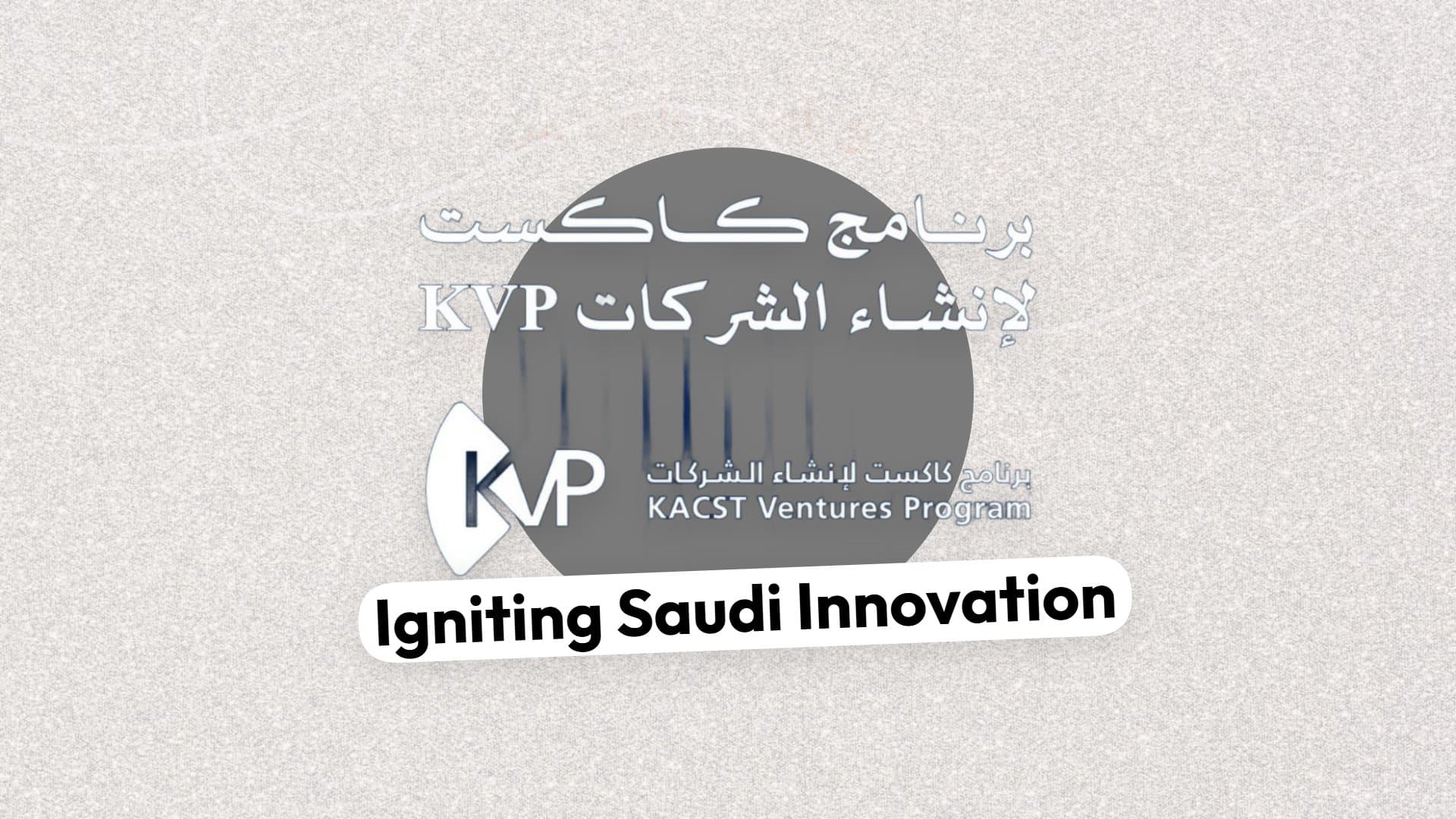
KACST graduated 46 deep tech startups under its second KVP cohort.
Startups span AI, biotech, hydrogen and “advanced materials” from five universities.
SAR 6,9 million funding supports turning lab research into market-ready companies.
A VC readiness scheme with Kahilan Fund will back selected alumni.
Since 2024, KVP has launched 92 startups and expanded commercial licences.
King Abdulaziz City for Science and Technology (KACST) has graduated 46 deep tech startups under the second cohort of its Venture Programme, known as KVP. The ceremony took place at “The Garage”, its innovation incubator and accelerator, and was backed by the National Technology Development Programme (NTDP).
Deep tech, for those who don’t live and breathe the term, refers to startups built on tangible scientific research and complex engineering, not just another app idea. We’re talking advanced materials, biotech, hydrogen, AI. The sort of ventures that often begin inside labs and, if all goes well, end up reshaping industries.
This latest cohort brought together startups emerging from five Saudi research and academic institutions: KACST itself, King Saud University, Princess Nourah bint Abdulrahman University, Prince Sultan University, and Alfaisal University. In total, the 46 startups received SAR 6.9 million in funding, aimed at helping research teams turn their ideas into investor-ready companies capable of entering the market.
I remember visiting a university lab a few years ago and hearing a researcher say, half-jokingly, “Our innovation will stay in the drawer unless someone helps us commercialise it.” Programmes like KVP are designed to prevent exactly that. At Arageek, we often say that bridging the gap between lab and market is not just important, it’s absolutely spot on if the region wants to build a serious knowledge economy.
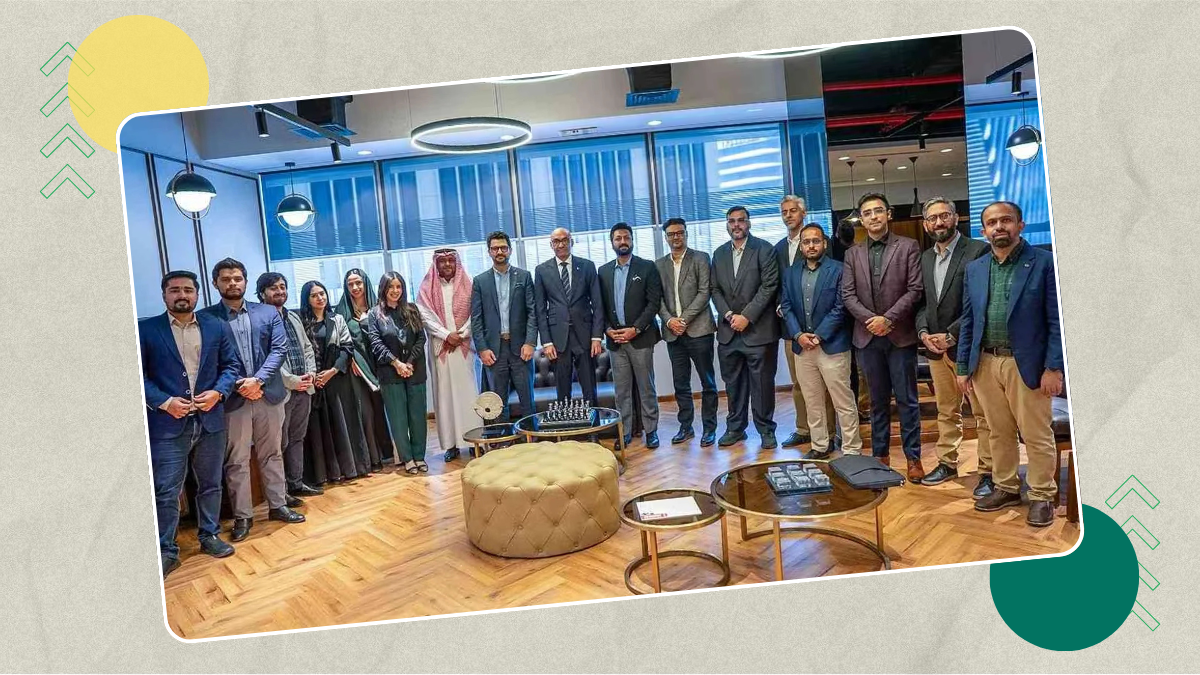
The graduation ceremony was attended by KACST President Dr Munir El-Desouki, alongside several leaders from the Kingdom’s research, development and innovation ecosystem. During the event, startups showcased solutions across a wide spectrum: advanced materials, biomedical technologies, green hydrogen, clean energy, cybersecurity, advanced manufacturing, autonomous vehicles, artificial intelligence, radar systems, and even 3D printing. It’s quite a mix, and not the easy kind of businesses either.
At the same time, KACST announced the launch of the third edition of KVP, signalling a continued push to help university-based research teams commercialise their work. The expansion reflects growing attention on linking scientific output with actual market demand, particularly in advanced technology sectors that are becoming increasingly strategic for Saudi Arabia’s economy.
In parallel, KACST introduced a venture capital readiness programme in strategic partnership with Kahilan Fund. The initiative aims to prepare 15 KVP alumni startups for the VC stage. As part of the collaboration, Kahilan Fund will lead an investment round in one selected startup and deliver an intensive investment-readiness programme for five companies. On the flip side, preparing for venture capital can be a bit of a faff, governance, due diligence, endless pitch polishing, so structured support at this stage could make a real difference.
Dr Khaled Al-Dakkan, Senior Vice President for Innovation Oases at KACST, has described the programme as a national platform to transform promising research and technologies into startups with tangible economic impact. He noted that KACST is working to build an integrated ecosystem that connects research outputs with market needs and investment opportunities, strengthening Saudi Arabia’s competitiveness in deep tech.
Since its launch in 2024, KVP has graduated 92 deep tech startups across two cohorts. It has also granted six technology licences to the private sector and 10 licences to startups, helping maximise the commercial use of research and development outputs. The programme has received the Inspiring Solutions Award from the International Association of Science Parks and Areas of Innovation (IASP), adding an international nod to its efforts.
I reckon initiatives like this are definately part of a broader shift we’re seeing in the Kingdom, one that moves beyond oil and into high-value innovation sectors, aligned with Vision 2030’s diversification goals. That said, graduating startups is only the first step. The real test, as always, will be survival, scaling and delivering meaningful returns.
Still, with two cohorts completed and a third now underway, KACST seems determined to keep building that bridge between research and entrepreneurship. And believe it or not, that bridge might just become one of the Kingdom’s most valuable assets in the years ahead.
🚀 Got exciting news to share?
If you're a startup founder, VC, or PR agency with big updates—funding rounds, product launches 📢, or company milestones 🎉 — AraGeek English wants to hear from you!


✉️ Send Us Your Story 👇