 Ai Everything
 LEAP26
 AI
AI Saudi Arabia
 UAE
UAE Egypt
EgyptKiwe Aims to Transform Egypt’s Fintech Landscape with Financial Literacy Focus

4 min
Founded in 2021, Kiwe aims to reshape how Egyptians “move, share and experience” money.
The founders argue real empowerment starts with understanding, not just financial access.
They target a digital-first generation seeking simpler tools amid inflation pressures.
Kiwe focuses on trust, intuitive design and building a cash-free merchant network.
Backed by partners, it bets financial literacy will “move the needle” in fintech.
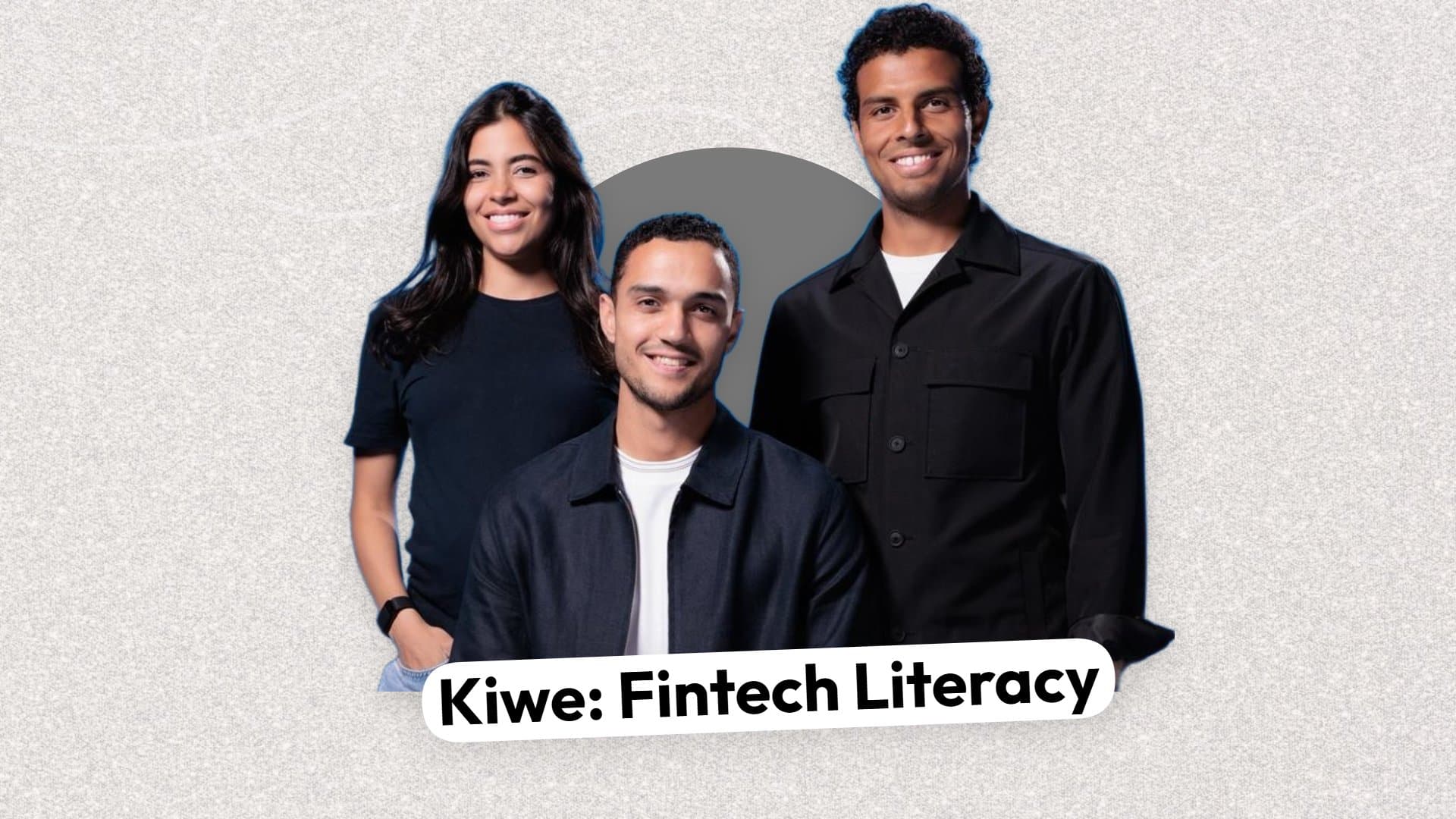
Back in 2021, before Egypt’s fintech scene really found its stride, three young founders were already asking what felt like an obvious question: why doesn’t managing money feel like the rest of our digital lives? Mohamed Khalifa, Fatma Khalifa and Omar Kamel believed it should. That thinking led to the launch of Kiwe, a Cairo-based fintech built around a simple but ambitious idea, to change the way money is moved, shared and experienced in Egypt.
At the time, access to financial services was improving, but the trio felt something was still missing. For them, it wasn’t only about inclusion. It was about understanding. They saw a generation that could open bank accounts and download apps, yet still feel lost when it came to managing day-to-day finances. So Kiwe was shaped around the belief that real empowerment starts with knowledge, not just access.
Over the past few years, the founders say they have taken a methodical approach, studying market dynamics and user behaviour, and paying close attention to how younger Egyptians think about money. There has been a noticeable shift away from traditional, often cash-heavy habits towards digital tools that are quicker, clearer and, frankly, less of a faff. In today’s tough macroeconomic climate, that shift feels even more urgent.
Omar Kamel has argued that the priority now goes beyond bringing more people into the financial system. Financial literacy, the ability to make informed decisions and build sustainable habits, has become central. In his view, users need platforms that help them understand their finances, not just transact. And believe it or not, that distinction can make all the difference when inflation is biting and household budgets are under pressure.
Kiwe’s approach, according to co-founder Fatma Khalifa, hinges on experience as much as functionality. Plenty of apps can process payments or facilitate transfers. Differentiation, she suggests, lies in trust, simplicity and relevance. From onboarding to completing a transaction, the focus has been on making the journey intuitive and aligned with how a digital-first generation interacts with technology. It sounds straightforward, but anyone who has wrestled with clunky banking interfaces knows it’s easier said than done.
With more than six years of combined experience across the local and regional fintech ecosystem, the founding team says it is building for the long term. Mohamed Khalifa has pointed to sustainable growth and measurable impact as guiding principles. Kiwe sees itself as part of Egypt’s broader shift towards a cashless economy, operating within the regulatory framework set by the Central Bank of Egypt. On the flip side, regulation can sometimes slow things down, but it also builds credibility, and that matters.
One of Kiwe’s core ambitions is to create a cash-free ecosystem through a wide merchant network, offering what the founders describe as a secure and straightforward payment experience, particularly for those who may lack strong financial literacy. I reckon that focus on education alongside infrastructure is spot on. In the MENA region, we’ve seen time and again that technology alone isn’t a silver bullet.
Today, as Kiwe prepares for its upcoming product launch with the backing of established financial institutions and partners, it positions itself as part of a new wave of Egyptian startups redefining fintech’s role in everyday life. Not merely another app entering an already crowded market, but an attempt to reshape how individuals understand and interact with money.
For readers who follow Arageek, stories like this hit close to home. I’ve often met founders across the region who are chuffed to bits about raising capital, yet quietly admit the real challenge is changing behaviour, shifting mindsets, building trust, well… I mean, that’s the hard part, isn’t it? Kiwe is betting that if you combine financial literacy with thoughtful design and a long-term vision, you can start to move the needle.
Whether it will succeed remains to be seen. Egypt’s fintech arena is evolving fast, and competition is fierce. But one thing is clear: the conversation has changed. It’s no longer just about who has access to money, but about who truly understands it, and that’s a debate that is definately here to stay.
🚀 Got exciting news to share?
If you're a startup founder, VC, or PR agency with big updates—funding rounds, product launches 📢, or company milestones 🎉 — AraGeek English wants to hear from you!
✉️ Send Us Your Story 👇