 LEAP26
 AI
AI Saudi Arabia
 UAE
UAE Egypt
EgyptLucky Secures $23M to Fuel Expansion and Lead North African Fintech Charge

3 min
Lucky raised $23 million Series B blending equity and debt.
Backers include Disruptech, Nclude fund, and Suez Canal Bank.
It tripled annual growth in 2025 and reached profitability.
Funds will scale credit, boost infrastructure, and support North Africa expansion.
Chairman hailed its ‘disciplined growth’ and neo-banking ambitions.
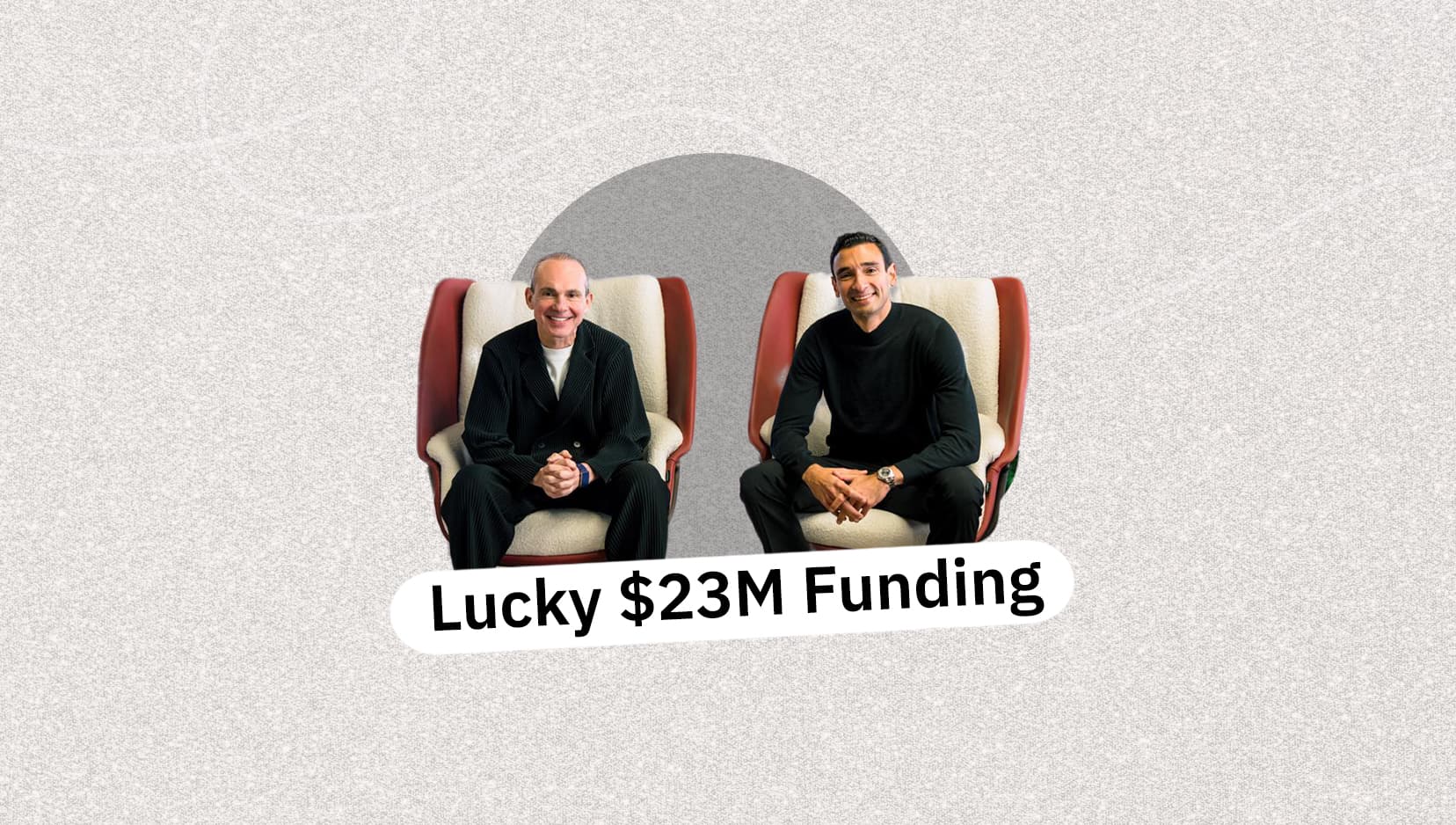
Lucky has landed a fresh $23 million in Series B funding, blending equity and debt, as the Egyptian fintech pushes to widen access to credit and prepare for expansion beyond its home market. The round drew backing from Disruptech Ventures and DPI Venture Capital through the Nclude fund, alongside new strategic participation from Suez Canal Bank and OneStop, chaired by tech investor Mohamed Farouk. Farouk has now stepped in as Chairman of Lucky’s board.
For a company that has been on a rapid rise, this funding feels like both validation and fuel. Lucky reported tripling its annual growth in 2025 and reaching profitability by the end of the same year, a combination that’s no small feat in fintech, where scaling can sometimes be a bit of a faff before the numbers line up. It also places the startup firmly within Egypt’s broader push towards a digitally enabled and financially inclusive economy, in line with the Central Bank of Egypt’s direction.
The new capital will go towards scaling Lucky’s credit offering, strengthening its infrastructure and regulatory readiness, and supporting expansion into North Africa. The ambition is clear: evolve into a neo-banking-ready platform. That means more than just consumer credit; it’s about building the rails, technical, operational and regulatory, to offer a broader stack of digital financial services over time.
Farouk pointed to Lucky’s “disciplined growth” and strong product-market fit as key reasons behind the investment, noting that the company is well positioned to play a leading role in the next wave of consumer credit and neo-banking across the region. From the management side, CEO Ayman Essawy has highlighted financial access as a foundation for progress, adding that the company plans to scale responsibly while investing further in infrastructure as digital onboarding and modern payment frameworks continue to roll out across Egypt.
And believe it or not, regulation, often seen as a hurdle, is turning into a tailwind. Recent progress around digital onboarding, payments infrastructure and the introduction of PSP licensing has created fresh opportunities for fintech players that have already proven their compliance credentials. Lucky has begun working towards securing a PSP licence, a move that should allow it to broaden its service offering over time.
Since launching, Lucky has built partnerships with merchants and financial institutions across Egypt, serving a fast-growing user base. I remember speaking to early-stage founders a few years ago who complained that consumer credit options were limited and, frankly, not spot on for a young digital-savvy population. Seeing companies like Lucky scale up makes me think the conversation has shifted for good, well… at least in the right direction.
On the flip side, North Africa is not without its complexities. Each market comes with its own regulatory nuances and consumer behaviours. Still, with profitability under its belt and fresh capital in hand, Lucky appears determined to use this moment to push forward. For the wider MENA startup scene we often discuss on Arageek, that’s definately one to watch.
🚀 Got exciting news to share?
If you're a startup founder, VC, or PR agency with big updates—funding rounds, product launches 📢, or company milestones 🎉 — AraGeek English wants to hear from you!




✉️ Send Us Your Story 👇