 LEAP26
 AI
AI Saudi Arabia
 UAE
UAE Egypt
EgyptMastercard and QNB Partner to Boost Digital Payments in Syria

3 min
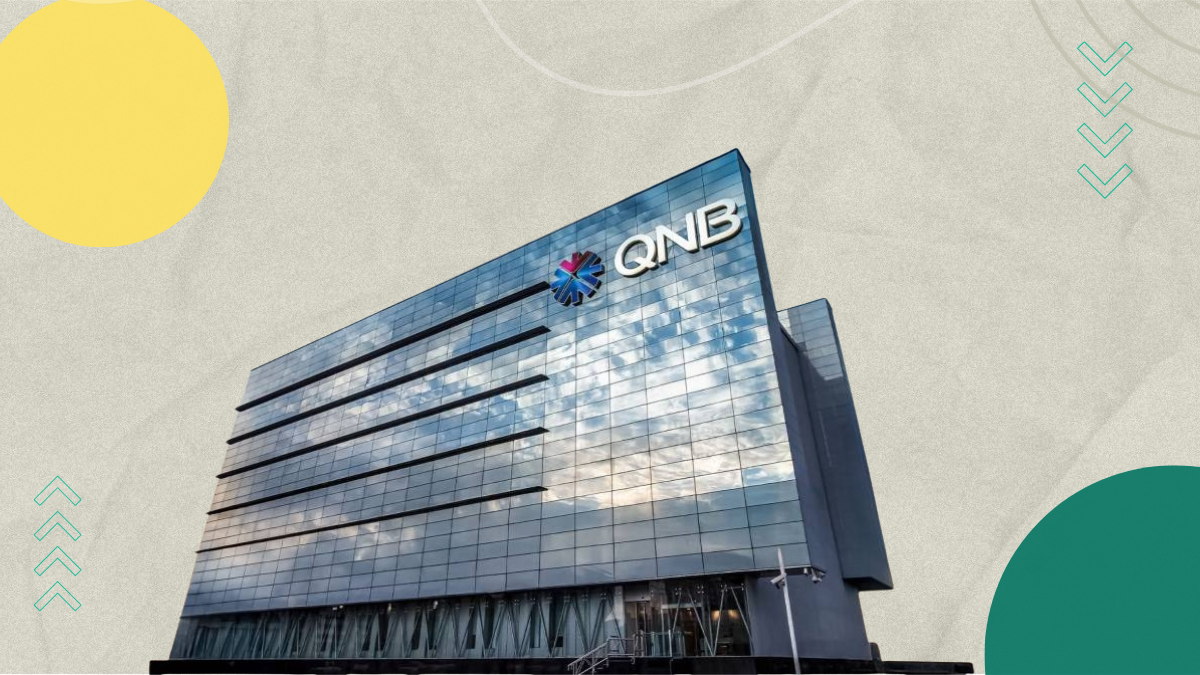
Mastercard and QNB Group expand services in Syria, offering improved local and international payment options.
This follows a deal with the Central Bank of Syria to modernise digital payment systems.
The partnership aims to enhance financial inclusion and digital banking in Syria.
QNB sees promise in Syria’s evolving banking sector, aligning with regional strategies.
Reliable financial infrastructure could significantly benefit startups and boost economic growth.
Mastercard’s latest move with QNB Group has stirred quite a bit of conversation in regional banking circles, and honestly, I reckon it’s a shift that could carry more weight than it first appears. The company confirmed that QNB — known as the largest financial institution across the Middle East and Africa — has now secured a Mastercard licence to expand both issuing and acquiring services in Syria. In plain terms, that means people and businesses in the country will be able to use Mastercard-backed payment tools that work locally and abroad, something that hasn’t always been straightforward.
This development didn’t come out of the blue. It follows a memorandum of understanding signed a few months back between Mastercard and the Central Bank of Syria, aimed at modernising the country’s digital payments infrastructure. Anyone who has followed the region’s economic stops and starts will know that upgrading these systems is rarely a walk in the park. Still, this partnership is pitched as a step towards more secure and seamless digital transactions — and believe it or not, these incremental improvements often add up faster than expected.
Both companies frame the move as part of broader efforts to push financial inclusion and strengthen Syria’s digital banking environment. Mastercard’s West Arabia division president, Adam Jones, described the company as an “early investor” in a market undergoing real transformation, saying the aim is to help build a “future-ready payments ecosystem” in line with the country’s long-term economic plans. On the flip side, QNB sees the Syrian market as increasingly promising as its banking sector continues to modernise. The bank’s Group Chief Business Officer, Yousef Mahmoud Al‑Neama, highlighted that the expansion fits neatly into QNB’s regional strategy.
What caught my attention, though, is how this ties back to something I often hear from founders around the region — when basic financial infrastructure becomes more reliable, startups suddenly find room to breathe. At Arageek, we’ve seen this pattern crop up again and again. Give entrepreneurs dependable payment rails and, well… I mean, the ideas start flowing. It’s not magic, just the kind of foundation that removes a bit of the usual faff.
Of course, the partnership won’t solve everything overnight. But as Syria’s payments landscape evolves, this kind of collaboration could be the sort of quiet turning point people only appreciate in hindsight. And I’m chuffed to bits to see more regional institutions betting on long-term, steadier growth, even if the path ahead is definately not going to be perfectly smooth.
🚀 Got exciting news to share?
If you're a startup founder, VC, or PR agency with big updates—funding rounds, product launches 📢, or company milestones 🎉 — AraGeek English wants to hear from you!

✉️ Send Us Your Story 👇