 Ai Everything
 LEAP26
 AI
AI Saudi Arabia
 UAE
UAE Egypt
EgyptCisco Outlines AI Security Blueprint as Middle East Adoption Surges

3 min
Cisco is guiding Middle Eastern organisations on securing AI amid its growing adoption.
They emphasise safeguarding data, monitoring AI pipelines, and adapting traditional security measures.
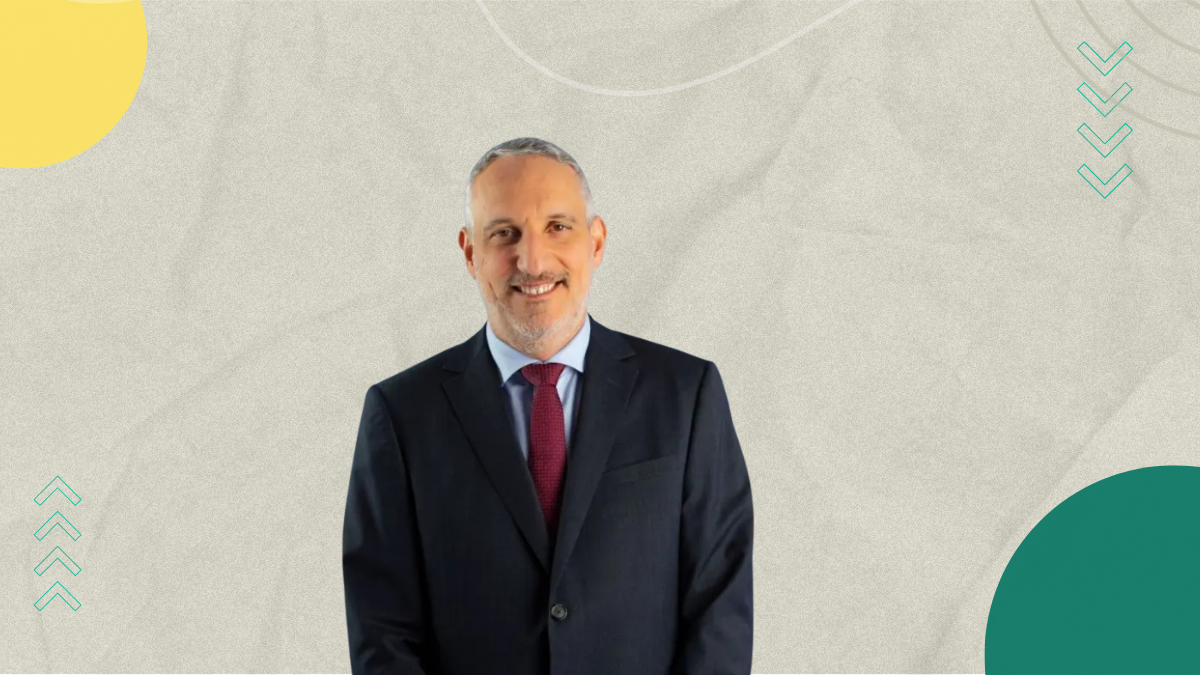
Ignoring security risks could undermine digital trust, warns Cisco's cybersecurity head, Fady Younes.
Regional AI ambition demands a balance of enthusiasm with robust security measures.
Trust remains crucial as AI becomes integral to services and industries.
Cisco has been laying out fresh guidance on how organisations in the Middle East can keep their AI applications secure as adoption surges across the region. It’s a topic that comes up quite often in conversations around Arageek, especially with founders who are eager to tap into AI but quietly admit the security side feels like, well… a bit of a faff. Cisco’s message, though, is fairly straightforward: treat AI with the same discipline you’d apply to any other critical application, just with a few added layers of caution.
The company has pinpointed four areas where security teams should focus their attention. First up is securing the data that fuels these models. It might sound obvious, but you’d be surprised how many teams rush into AI experiments without making sure sensitive data is properly protected. Then there’s keeping a close eye on the entire AI pipeline—from development to deployment—something Cisco argues is essential as the tech becomes more deeply embedded in day‑to‑day operations.
Cisco also highlights the importance of monitoring AI outputs to catch strange or harmful behaviour before it travels too far. That said, the firm isn’t suggesting everyone needs to reinvent the wheel; it reckons traditional application security practices can be adapted rather neatly for AI, provided organisations take the time to understand the new risks. On the flip side, ignoring those risks could chip away at digital trust, which is already a fragile thing in many markets.
In a regional context, this lands at an interesting moment. From Dubai to Riyadh, leaders are pushing AI strategies that are ambitious by any global standard. I remember chatting with a startup team last year—over coffee that was definately too strong—who said they felt “chuffed to bits” about integrating AI into their platform but had no clue how to secure it. Stories like that come up more often than you’d expect, and believe it or not, even well‑funded players can be caught on the back foot.
Fady Younes, who heads cybersecurity for Cisco across the Middle East, Africa, Türkiye, Romania and CIS, put it rather neatly: organisations everywhere should approach AI with a mix of confidence and healthy caution, keeping security “front and centre” as they scale their use of the technology.
I reckon this focus will only intensify as AI tools become more intertwined with public services and critical industries. And if there’s one thing founders in our region tend to be spot on about, it’s that trust—whether from users, investors, or regulators—is a currency you can’t afford to lose.
🚀 Got exciting news to share?
If you're a startup founder, VC, or PR agency with big updates—funding rounds, product launches 📢, or company milestones 🎉 — AraGeek English wants to hear from you!

✉️ Send Us Your Story 👇