 Ai Everything
 LEAP26
 AI
 Saudi Arabia
 UAE
 Egypt
Tabby Lands $233M Series F as It Expands Beyond BNPL in MENA

5 min
Tabby raised $233 million in Series F, lifting its valuation to $6.
5 billion.
The profitable fintech now serves 25 million users and handles over $18 billion yearly.
It has grown from a checkout “button” into lending, accounts, cards and transfers.
New Saudi and UAE licences give it crucial regulatory rails for broader financial services.
Tabby is scaling steadily, with no rush to IPO despite a “strong hand”.
Tabby has pulled in $233 million in a Series F round, lifting its valuation to $6.5 billion as the Saudi-headquartered fintech pushes well beyond its buy now, pay later roots and deeper into a fuller financial services play across Saudi Arabia and the UAE.
The round was led by Blue Pool Capital, with existing investors HSG, Wellington Management and Arbor Ventures also taking part. It marks a notable jump from the $4.5 billion valuation the company reached after a share sale in October 2025. In a regional market where valuations can swing with sentiment, that is not a small leap — it is, frankly, pretty spot on for a company that has managed to keep growing while staying profitable.
Founded in 2019, Tabby says it has been profitable since 2023. The company now serves 25 million registered users, works with around 70,000 business partners and processes more than $18 billion in annualised transaction volume. That scale matters. Around MENA, readers at Arageek will know this is the sort of footprint startups dream about when they begin with one product and a lot of nerve.
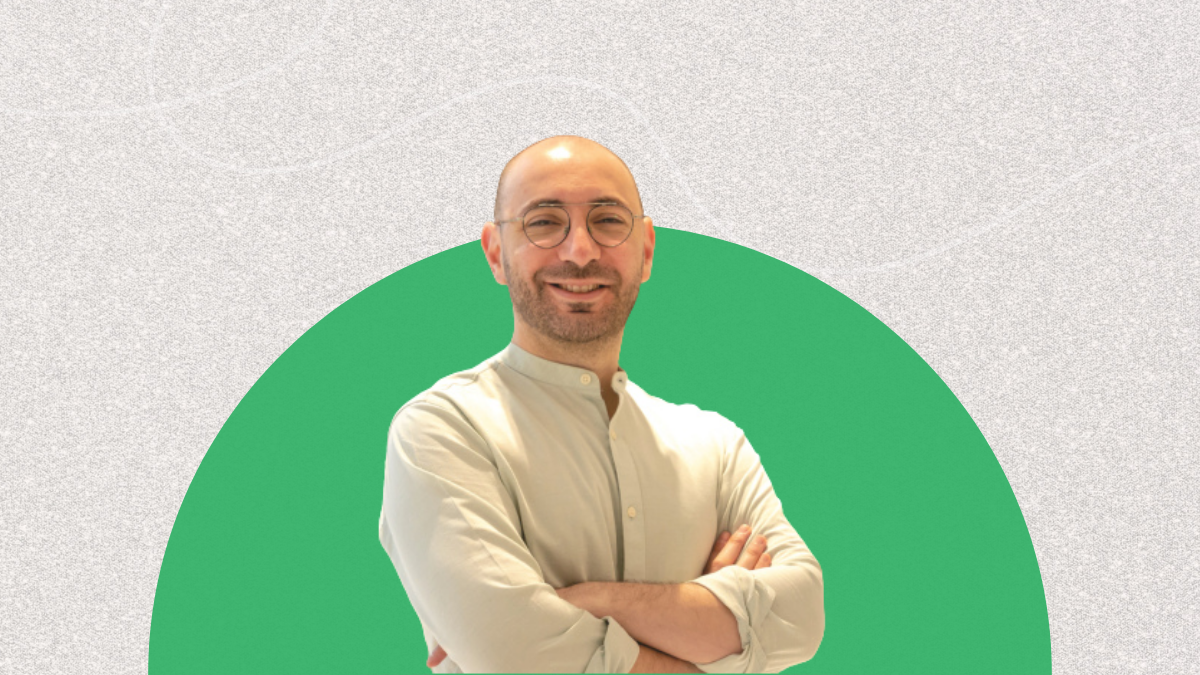
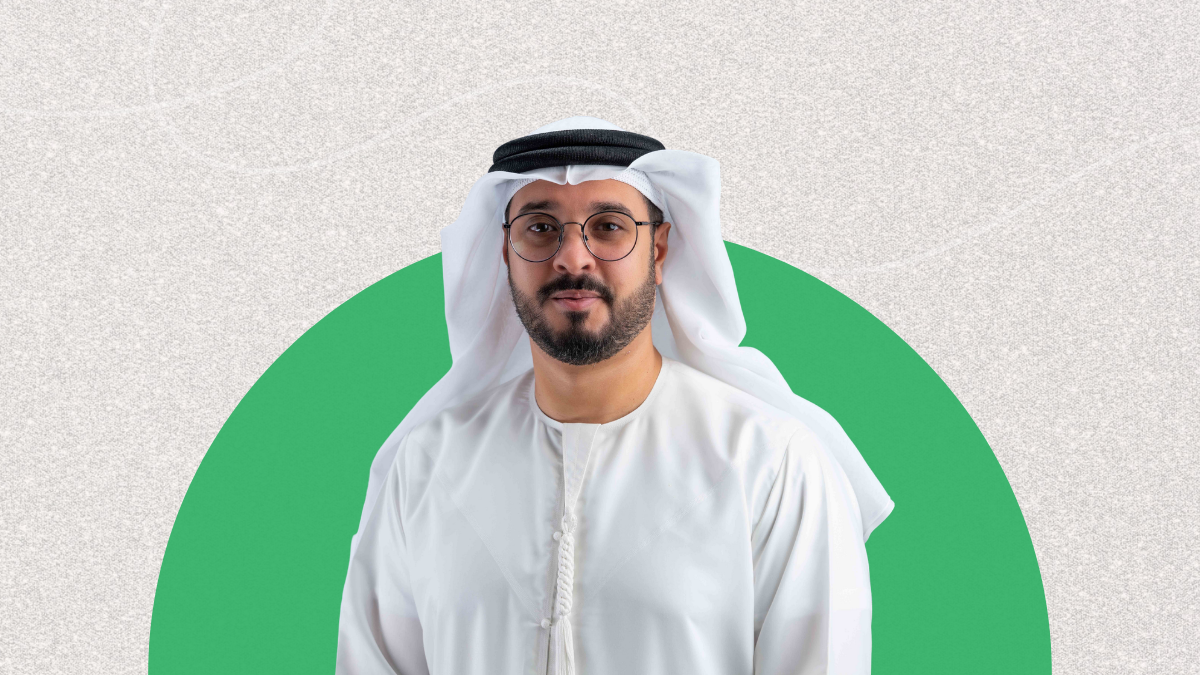
Tabby started with a simple checkout button that let shoppers split payments over time. Since then, it has been steadily broadening its offer into consumer lending, business financing, digital accounts, cards and money transfers. Hosam Arab, Tabby’s co-founder and chief executive, said the company began “with a button at an online checkout to help people spread costs over time”.
He added that “everything since, every product and every licence, has come back to the same idea: people deserve more from their money”. According to Arab, the fresh funding gives the company room to build further “without changing how we think about growth or discipline”.
That said, the bigger story may be the licences. Over the past year, Tabby secured approvals from the Saudi Central Bank, or SAMA, covering both consumer and SME financing. Those licences open the door for larger and longer-term lending products, plus working capital solutions for businesses, rather than only short-term BNPL transactions.
The company also acquired Tweeq, a SAMA-licensed digital wallet, giving it extra infrastructure in accounts, payment cards and money transfers. In the UAE, Tabby has obtained a Stored Value Facilities licence from the Central Bank of the UAE, which allows it to roll out Tabby Cash. The product is being positioned as an alternative to a traditional debit account, with card payments, no account or card fees, cashback and both local and international transfers.
Put together, these approvals give Tabby something quite valuable: regulatory rails in two of the Gulf’s biggest fintech markets. And believe it or not, that can be the part that is hardest to crack. Raising capital is one thing; stitching together licences, product lines and user trust without making a faff of it is another.
Blue Pool Capital’s chief investment officer, Christopher Wu, said Tabby has grown “beyond payments to become the trusted platform for millions of people managing, spending and growing their money across the region”. It is a bold line, but not an empty one. Tabby already counts major merchants such as Amazon and Shein among its partners, which gives it reach many younger fintechs can only look at with envy.
The Series F includes both new and existing shares, and part of the deal gives liquidity to employees. Since 2023, Tabby has run employee share tenders that have allowed current and former staff to sell more than $100 million worth of shares. I reckon that detail deserves more attention than it usually gets, because in the startup world employee liquidity is often talked about as a nice extra, when for many teams it can be life-changing.
For now, an IPO is not locked in. Arab said Tabby is focused on scaling both its core business and its newer products, adding that the company is profitable and well-capitalised, so it does not need to rush the timing. “If and when we list, we’ll choose the market that makes the most sense for the company, our shareholders and our long-term growth,” he said.
On the flip side, moving from BNPL into a broad financial ecosystem is not easy. Plenty of companies start that journey and find the leap more difficult than it looked on the slide deck. But Tabby enters this phase with profits, millions of users and regulatory cover in Saudi Arabia and the UAE, which is a strong hand to play.
I have seen many MENA startups talk about becoming “super apps” or full-service platforms, and well… I mean, I’m not a fan of grand labels unless the product depth is there. Tabby, though, looks more grounded than most. If it can turn BNPL adoption into long-term daily financial use, this latest round may be remembered not just as a funding event, but as the moment the company seriously stepped into the top tier of regional tech. The path is not easy, but it definately looks open.
🚀 Got exciting news to share?
If you're a startup founder, VC, or PR agency with big updates—funding rounds, product launches 📢, or company milestones 🎉 — AraGeek English wants to hear from you!


✉️ Send Us Your Story 👇