 Ai Everything
 LEAP26
 AI
AI Saudi Arabia
 UAE
UAE Egypt
EgyptEgypt Targets Startup Growth with New Investment Fund and Policy Reforms

5 min
The minister called it a “pivotal moment” built on genuine public‑private partnership.
He prioritised digitalisation, fixing bottlenecks, and measuring savings and investment gaps.
Accurate data and less ‘human intervention’ aim to reduce friction.
Trade policy shifts from “spray-and-pray” to targeted, data‑driven engagement.
A planned venture fund could stop startups relocating for growth capital.
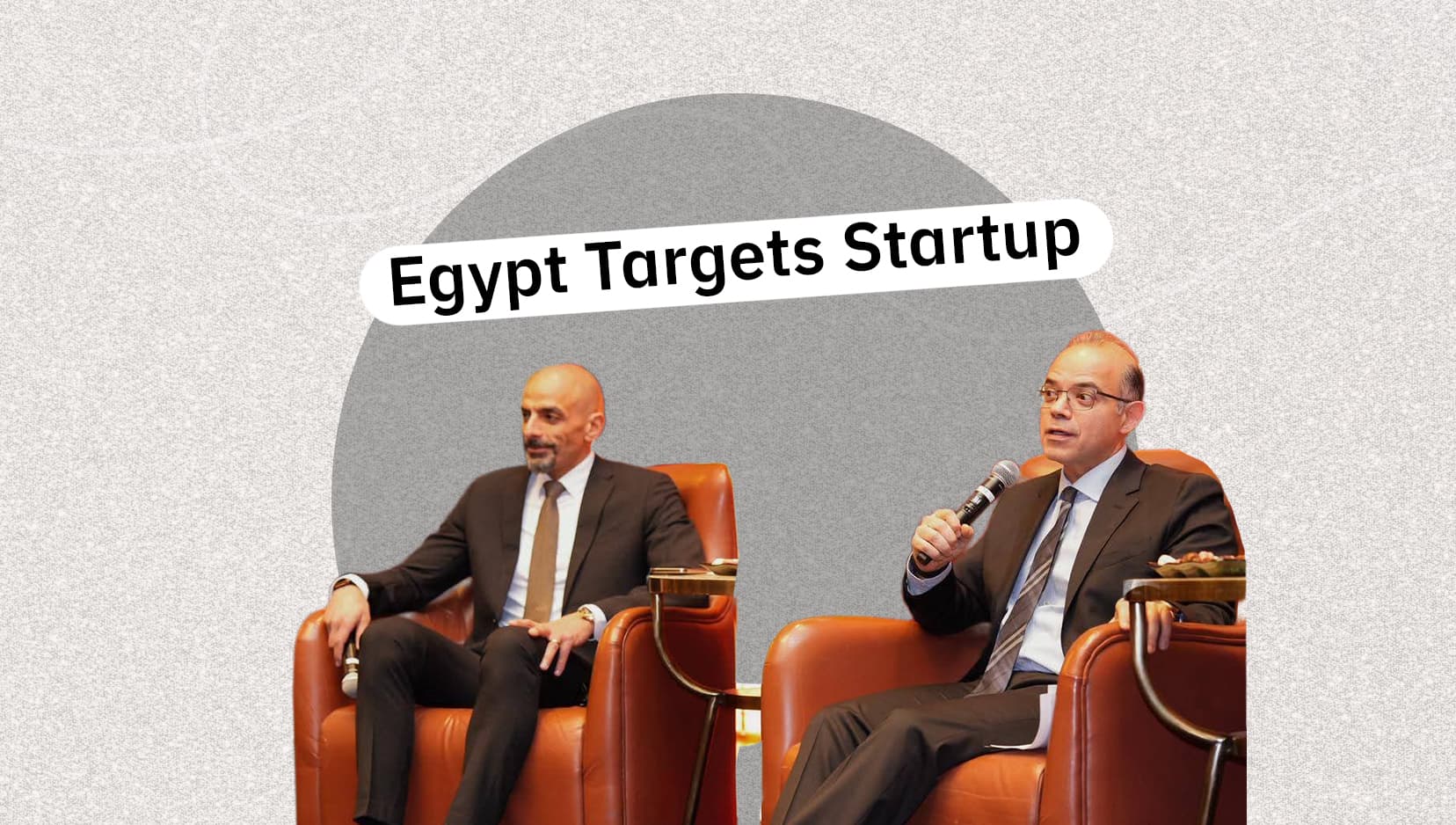
On the sidelines of the American Chamber of Commerce in Cairo’s annual iftar, Egypt’s Minister of Investment and Foreign Trade, Dr Mohamed Farid Saleh, laid out what he called a “pivotal moment” in the country’s economic journey. The conversation, moderated by Omar El-Sahy of Amazon Egypt and Sally El-Gendy of Mars Egypt, circled around one central idea: partnership. Not as a slogan, but as a working philosophy between government and private sector to rebuild trust and drive sustainable growth.
I’ve sat in plenty of rooms where “public-private partnership” is said like a magic word, well… I mean, sometimes it feels like a bit of a faff. This time, the framing felt more grounded. The minister’s point was simple: the debate is no longer about whether Egypt has potential. It’s about how to unlock it faster, more predictably, and with less friction.
He outlined three immediate priorities. First comes digitalisation and simplifying procedures. “It is impossible to talk about big visions or ambitious goals without addressing the existing problems,” he said. The focus now is on resolving the day-to-day bottlenecks facing existing companies and speeding up institutional processes. In short: fix what’s broken before dreaming bigger. That, I reckon, is spot on.
The second priority revolves around measurement. “What cannot be measured cannot be managed,” he noted, pointing to difficulties in accurately calculating Egypt’s national savings rate. If the country aims for growth of 6 to 6.5 per cent, it needs investment equivalent to roughly 25 per cent of GDP—and a similar level of savings to match. With savings hovering around 10 per cent, the 15 per cent gap must be filled by foreign direct investment or borrowing. That gap isn’t small change; it shapes the entire funding equation.
Part of the issue lies in how foreign investment data is captured. Efforts are under way to reform the system so reinvested earnings are properly reflected, something currently obscured by incomplete corporate financial reporting. It may sound technical, but these details matter. Without accurate numbers, policymaking becomes guesswork.
The third priority? Reducing human intervention in corporate decisions, including mergers and acquisitions. According to Dr Farid, excessive discretion remains one of the biggest structural barriers to long-term capital flows. The government is pushing to align oversight with international norms while relying more on digital systems and mandatory financial disclosures. A healthy investment climate, he argued, does not come from one grand reform but from a chain of smaller, connected fixes, across bureaucracy, technology, regulation, and people. Break the cycle step by step.
There is also the question of awareness. Investors, he suggested, are sometimes unaware of reforms already introduced. And believe it or not, perception gaps can be as damaging as policy gaps. Localising investment across different governorates is another priority, ensuring development is felt beyond Cairo so citizens can see tangible improvements in daily life. Five key government entities are currently being targeted to resolve service-related inefficiencies, alongside a gradual shift to electronic licensing and technical evaluation.
When it comes to foreign trade, the minister dismissed what he described as a “spray-and-pray” approach. Instead, he advocates “effective targeting”: mapping stakeholders in each market, analysing trade data properly, digitising export support services such as exhibitions and trade missions, and tailoring engagement strategies country by country. In some markets, educational and academic cooperation may open more doors than traditional trade channels. It’s a more surgical method, and frankly, long overdue.
For readers of Arageek, the most eye-catching development might be the planned establishment of a large investment fund to back venture capital in Egypt, in partnership with the Sovereign Fund of Egypt. World Bank President Ajay Banga has reportedly shown interest in participating, describing the initiative as a key driver of growth. The aim is to address the funding bottleneck at later stages, Series A, B and C—where many Egyptian startups struggle to secure capital and are often forced to relocate abroad to access limited partners and growth investors.
As someone who has watched founders pack their bags for the Gulf or Europe simply because growth cheques were not available locally, this hits close to home. Startups don’t leave because they want to; they leave because they have to. If this fund materialises at scale, it could definately change that equation.
The minister ended on a candid note about what he called “cold bureaucracy”. Delays that may seem harmless within public institutions can be existential for entrepreneurs burning cash every month. Recent reforms in capital markets and the insurance sector, he added, now open the door to new instruments, including listed venture capital funds.
That said, execution will be everything. Announcements are easy; implementation is the real test. For Egypt’s startup ecosystem, and for the wider economy, this could be a turning point. Or just another well-worded roadmap. The coming months will tell which way it goes.
🚀 Got exciting news to share?
If you're a startup founder, VC, or PR agency with big updates—funding rounds, product launches 📢, or company milestones 🎉 — AraGeek English wants to hear from you!



✉️ Send Us Your Story 👇