 Ai Everything
 LEAP26
 AI
AI Saudi Arabia
 UAE
UAE Egypt
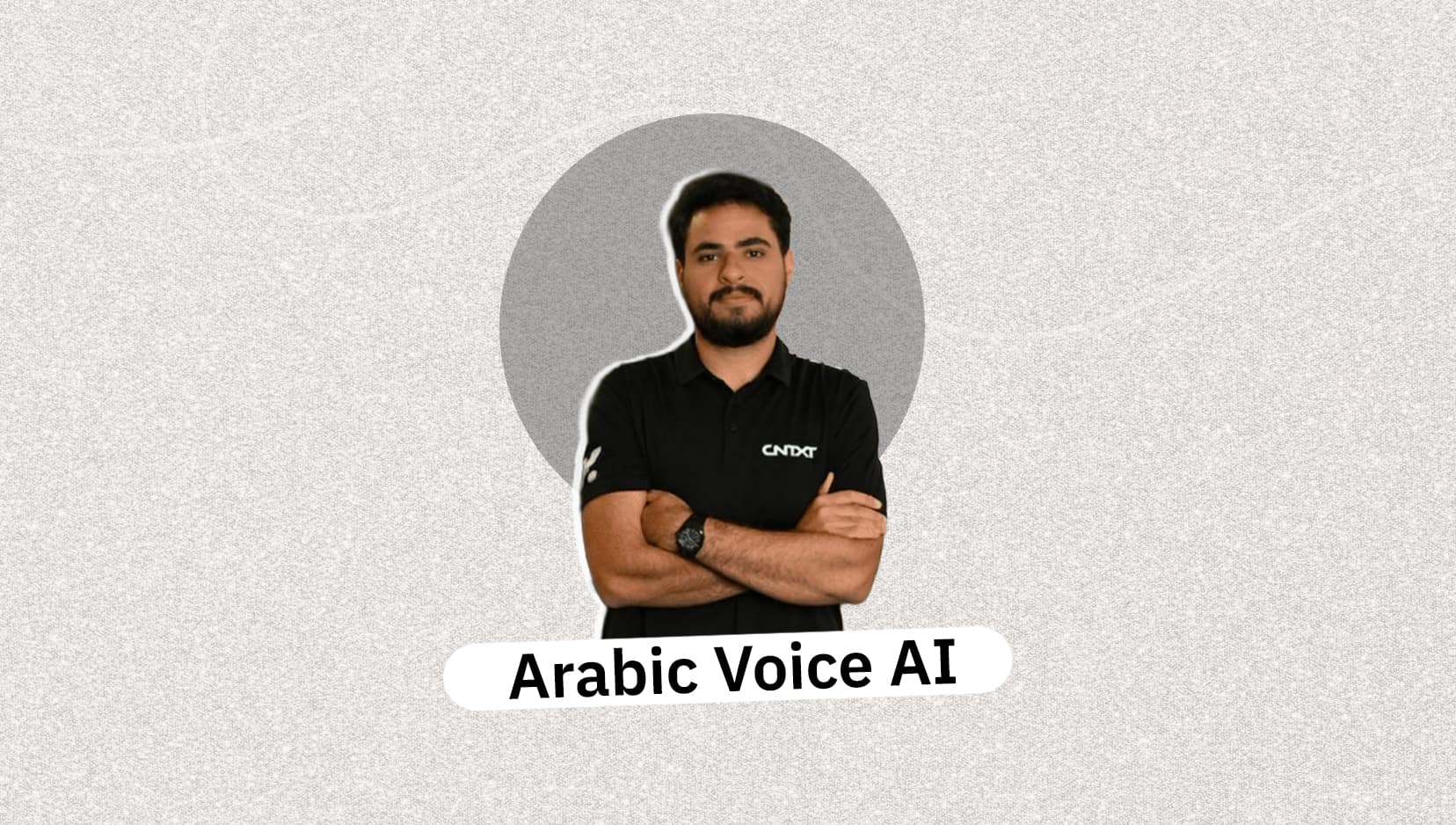
EgyptI am Mohammed Sleiman. I stopped chasing growth and built rails

6 min
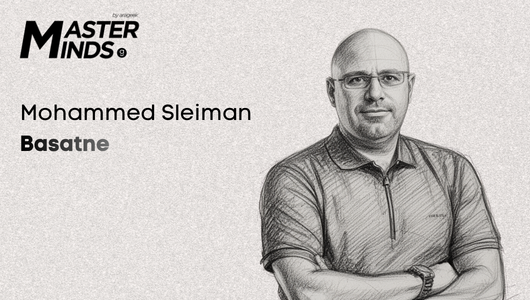
Mohammed Sleiman does not talk about growth in the language of bets.
When asked how he decides where to place capital across fintech, refurbishment, recommerce and B2B trade at Basatne, he reframes the premise entirely. He is not chasing verticals. He is closing structural gaps.
To outsiders, those business lines look separate. To him, they are components of one circular system. The real question, he says, is not which unit will grow fastest, but which move strengthens the infrastructure as a whole.
Fintech payouts scale with limited balance sheet exposure. Refurbishment improves margin control. Recommerce deepens liquidity. B2B trade accelerates turnover. If one lever increases capital efficiency and cash velocity across the chain, that is where the investment goes.
“We’re building the rails,” he says in effect. Growth follows infrastructure, not the other way round.
How he decides which part of the ecosystem to accelerate
On the question of capital allocation, Sleiman’s lens is unusually disciplined. He looks for compounding impact across the value chain.
If a move reinforces liquidity, strengthens margin discipline and improves transaction speed simultaneously, it qualifies. If it merely produces revenue in isolation, it does not.
This systems thinking defines the group. Each business is designed to reinforce the others. Fintech is not a side project. Refurbishment is not an operational necessity. They are deliberate nodes in a circular architecture.
The objective is ecosystem strength. Revenue is a consequence.
How he leads multiple CEOs without building a reporting factory
When asked about leading a portfolio rather than a single company, Sleiman is clear about the risk. Without discipline, complexity turns into bureaucracy.
“If a report doesn’t lead to a decision, we don’t need it,” he says.
Reporting exists for action, not visibility. At group level, his job is to connect operating dots across businesses. ORBT powers refunds and trade-in payouts that strengthen Cartlow. Ardroid reinforces wholesale quality through operational consistency. TechBridge embeds ESG and device circularity into enterprise programmes.
Each brand has autonomy. But infrastructure is shared, and strategic alignment is enforced.
That distinction, ecosystem versus collection, is what prevents the group from becoming a holding company with internal silos.
What most of the region misunderstands about digital payouts
When the conversation turns to ORBT’s role in digital gift cards and payouts, Sleiman focuses on friction.
In the MENA region, more than $30 billion in refunds are still processed through slow, traditional reversals. That lag creates inefficiency for both enterprises and consumers.
ORBT converts refunds into instant digital purchasing power. Enterprises reduce friction and improve retention. Consumers gain immediate optionality.
The misunderstood point, he argues, is that payouts are not a peripheral service. They are a liquidity accelerator inside the circular system.
The metric that matters is velocity. Faster value distribution compounds engagement and turnover across the ecosystem.
The non negotiables inside an unforgiving refurbishment operation
Pressed on refurbishment at Ardroid, Sleiman becomes precise. The non negotiables are consistency, traceability and data integrity.
Every device follows standardised diagnostics and grading protocols. No shortcuts. No subjective assessments. Quality control is embedded in the workflow, not appended at the end.
What he misjudged early on was the belief that skilled manpower alone could scale operations. It could not. Human judgement without systemised validation introduces variability.
That lesson pushed heavy investment into inbound automation and diagnostics structuring. The data layer became the protector of quality at volume.
Today, thousands of units move daily with consistent grading. Trust in marketplace and wholesale channels rests on that invisible discipline.
Why he refused to build an inventory heavy trading business
Asked about Cartlow’s hybrid model of SaaS, cloud operations and recommerce, Sleiman returns to capital exposure.
Recommerce can easily become inventory heavy. The temptation is to trade aggressively. He resisted that path.
The deliberate decision was not to build a balance sheet driven trading business. Retail participation exists only where it improves liquidity, pricing control and trust. The scalable layer is cloud operations, diagnostics and marketplace infrastructure.
Ownership is selective. Enablement is the priority.
That constraint keeps the model focused.
What has to be true for a circular unicorn to emerge
On the question of building a circular economy unicorn from MENA, Sleiman’s ambition is matched by conditional realism.
For it to happen within 24 months, supply must globalise. Cross border trade must expand. Enterprise adoption must deepen across telcos, major retailers and distributors. Revenue must diversify across B2C, B2B, refurbishment and fintech infrastructure.
Regional scale is insufficient. International integration is mandatory.
He is equally clear about what would invalidate the thesis. Failure to globalise supply or secure enterprise depth would force a reassessment.
The career moments that shaped his infrastructure mindset
Asked to reflect on his earlier chapters, Sleiman does not point to titles. He points to transitions.
At HP and Western Union, he witnessed fintech’s shift towards digital payments. At Souq.com and later Amazon, he saw retail migrate into scalable e commerce.
These were structural changes, not incremental growth stories. Being part of them shaped his instinct to build infrastructure rather than products.
Transformation over optimisation. Systems over features.
The biggest success in circular commerce
When asked about his biggest success, Sleiman does not isolate a single business. He points to integration.
The achievement, in his view, is building one of the region’s most mature closed loop ecosystems under Basatne. The difference maker was refusing to treat circular commerce as merely a marketplace opportunity.
Instead, each layer, fintech, refurbishment, trade, enterprise integration, was connected into a structured infrastructure.
Circularity became operational reality, not marketing narrative.
The failure that changed his capital philosophy
On failure, Sleiman is direct. Building circular infrastructure in an emerging model requires patient capital. That patience was not always aligned with venture expectations.
It cost money, time, momentum and difficult investor conversations.
The pivot was deliberate. Move away from venture driven growth. Align with long term family capital. Prioritise profitable EBITDA. Reinvest net profits back into the ecosystem.
That experience hardened a principle: sustainable scale over accelerated valuation.
One best decision and one he would approach differently
Asked for one best and one worst leadership decision, Sleiman returns to infrastructure.
The best decision was committing early to building infrastructure instead of operating a simple marketplace. It required patience, but it created defensibility.
The hardest decision, which he would now approach differently, was scaling aggressively before full capital alignment. At the time, it felt consistent with venture backed logic. In practice, it created strain.

Today, he would pace expansion around cash flow strength and aligned strategic partners.
Growth, in his worldview, is engineered. It is not chased.