 Ai Everything
 LEAP26
 AI
AI Saudi Arabia
 UAE
UAE Egypt
EgyptMorocco’s FORGE Taps AI Startups to Reinvent Business Operations

4 min
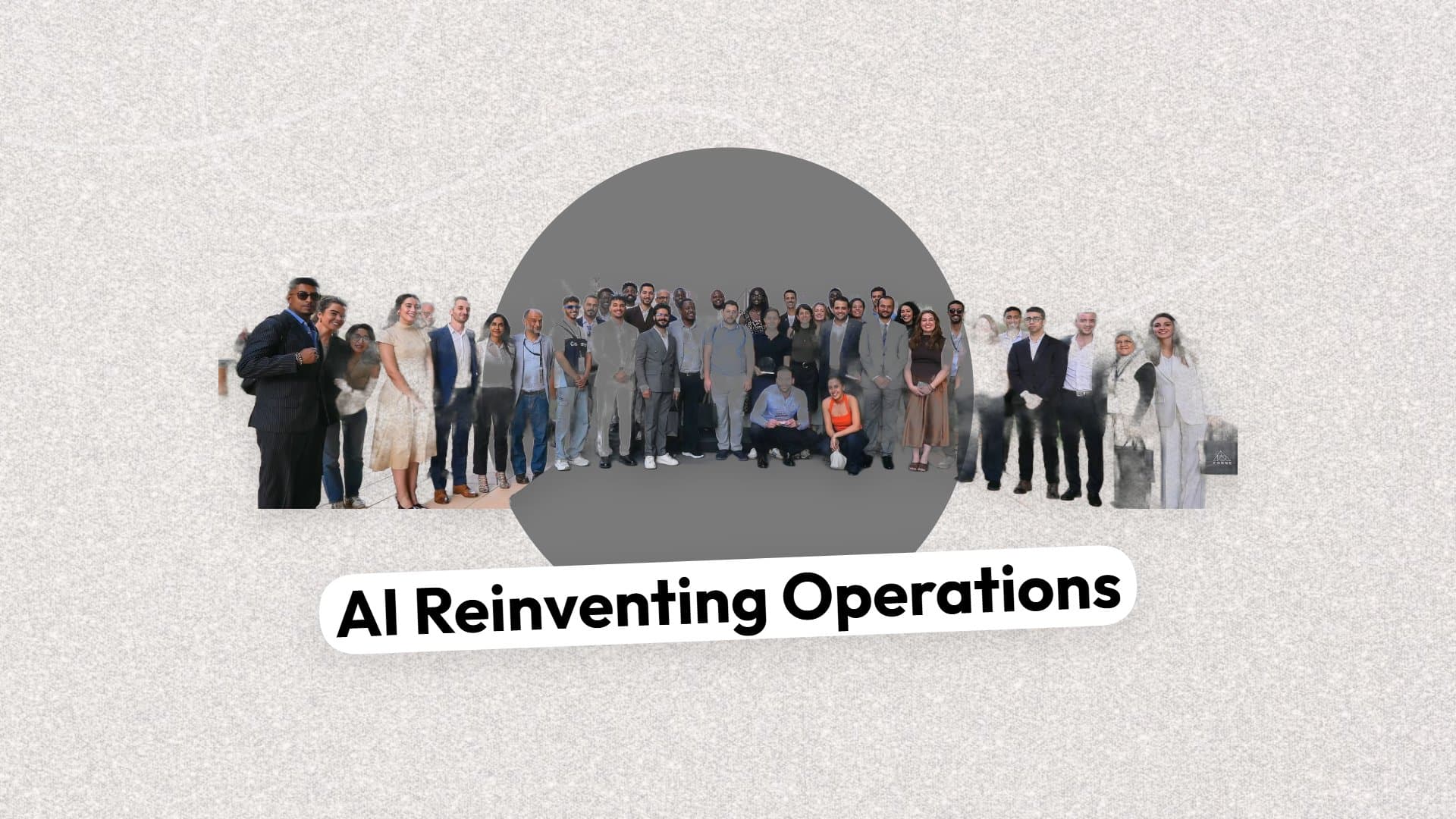
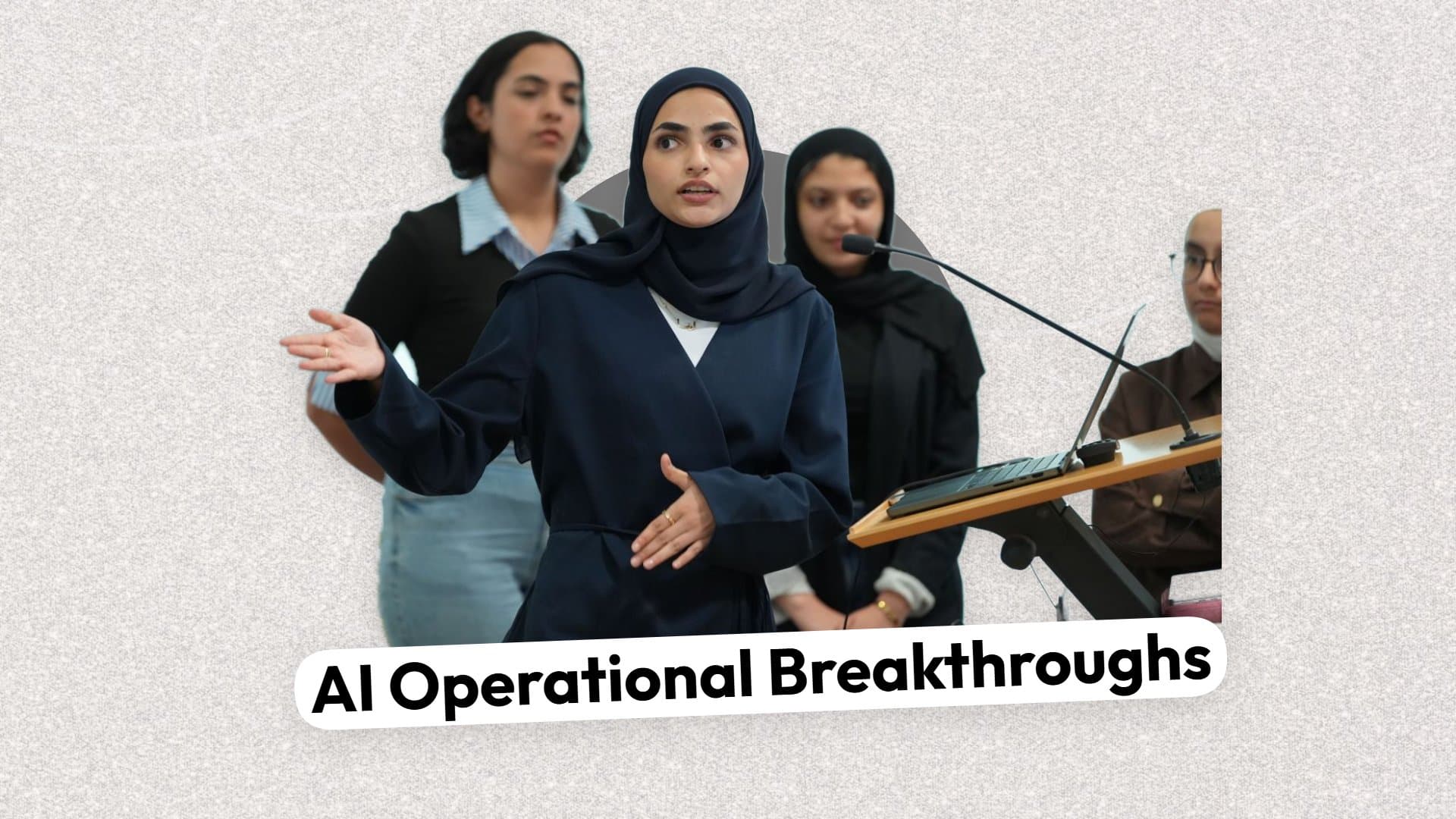
The FORGE at UM6P has selected six AI startups for Demo Day 2026.
They tackle the “messy middle” of operations, from compliance to staffing.
Tools include WhatsApp-based agents, PropTech platforms and restaurant management hubs.
The focus is on becoming a digital backbone, not flashy consumer apps.
Morocco signals AI is shifting from experimentation to everyday business integration.
Morocco’s startup scene has been quietly gaining muscle over the past few years, and the latest move from The FORGE at Mohammed VI Polytechnic University (UM6P) shows it is not slowing down anytime soon. The entrepreneurship residency programme has unveiled six AI-driven startups selected for its Operations Tech & Automation vertical, with founders now gearing up for Demo Day 2026.
On paper, it might sound technical. In practise, it is about fixing the messy middle of business operations, compliance, staffing, sales follow-ups, inventory, you name it. The kind of work that, across much of Africa and MENA, is still handled on spreadsheets, endless WhatsApp threads, and systems that don’t really talk to each other. A bit of a faff, if we are honest.
The cohort reflects this reality. FlowBrave, founded by Yassine Loqmane, is building what it describes as an execution platform for regulated industries. Rather than leaving compliance as static documents sitting on a shelf, the platform translates frameworks into guided workflows that can be carried out by both human teams and AI agents. It is not glamorous, but in sectors like healthcare or finance, this kind of infrastructure can be spot on.
Mizan AI, launched by Hamza Hadni and Adama Jarju, is focused on restaurants. Its AI-powered hub centralises scheduling, task management and team communication into one place. Anyone who has seen how restaurants juggle shifts and stock knows how chaotic it can get, well… I mean, bringing it all into a single operational layer makes a lot of sense.
Then there is Rafid, founded by Idriss Bennis, which targets B2C companies in MENA. It uses WhatsApp-native AI agents to re-engage inactive customers and improve conversion rates. Given how deeply WhatsApp is embedded in the region’s commercial life, this detail feels more than cosmetic. It is strategic.
E-Quickly, led by Widyane Berraqui, operates in the e-commerce space. The startup enables users to turn recipes and food content into ready-to-purchase grocery baskets in under 15 seconds. Predikt AI, founded by Mohamed Fakihi, supports agencies with staffing, sales forecasting and financial performance, aiming to balance supply and demand through an AI-native operating system. Meanwhile, BinAiTech, from founder Ayoub Rhousni, is building a PropTech platform for construction companies, replacing conventional messaging apps with voice reporting, automated invoice extraction and synchronised inventory management.
Rather than chasing consumer apps, most of these startups are positioning themselves as the digital backbone of businesses. That is an important distinction. The FORGE appears to be betting that real impact, and long-term value, will come from replacing disconnected tools and manual workflows with integrated systems that companies actually rely on every day.
Based at UM6P, one of Morocco’s leading innovation-focused universities, The FORGE provides selected founders with mentorship, technical support, market access and exposure to investors. The programme aligns with Morocco’s broader push into AI, automation and industrial innovation as part of strengthening its position within Africa’s technology ecosystem.
I remember attending a university-led demo day in the region a few years back and feeling genuinely chuffed to bits seeing student projects evolve into serious ventures. There’s something powerful about that leap from classroom prototype to market-ready solution. Platforms like The FORGE try to make that leap less risky and more structured, and I reckon that structure matters, especially in ecosystems still maturing.
As Demo Day 2026 approaches, these six startups will have the chance to present their progress to investors and ecosystem players. And believe it or not, this focus on internal operations, the less shiny side of tech, may well be where some of the region’s most durable startups emerge.
Artificial intelligence in MENA is slowly moving from experimentation to integration. Not just chatbots and flashy pilots, but systems embedded in compliance processes, restaurant shifts, construction sites and sales pipelines. If this cohort is any indication, Morocco is making a clear statement about where it sees the next wave of value being created. And we will be watching it closely at Arageek, because stories like these are exactly what energise the region’s entrepreneurial ambtion.
🚀 Got exciting news to share?
If you're a startup founder, VC, or PR agency with big updates—funding rounds, product launches 📢, or company milestones 🎉 — AraGeek English wants to hear from you!

✉️ Send Us Your Story 👇