 LEAP26
 AI
AI Saudi Arabia
 UAE
UAE Egypt
Egypt“Real-Time Data and SupTech Drive Financial Resilience in MENA, Says Bahrain’s CBG”

3 min
Digitalisation is crucial for financial stability, as stressed by Bahrain's Central Bank Governor in Abu Dhabi.
Real-time data and supervisory technology, highlighted as vital, help spot financial vulnerabilities early.
Digital adoption now extends beyond payments, potentially serving as a regional growth engine.
Panel discussions underscored the need for regulatory innovation to match technological progress.
The consensus is clear: advancing data and digitalisation boosts financial resilience across the region.
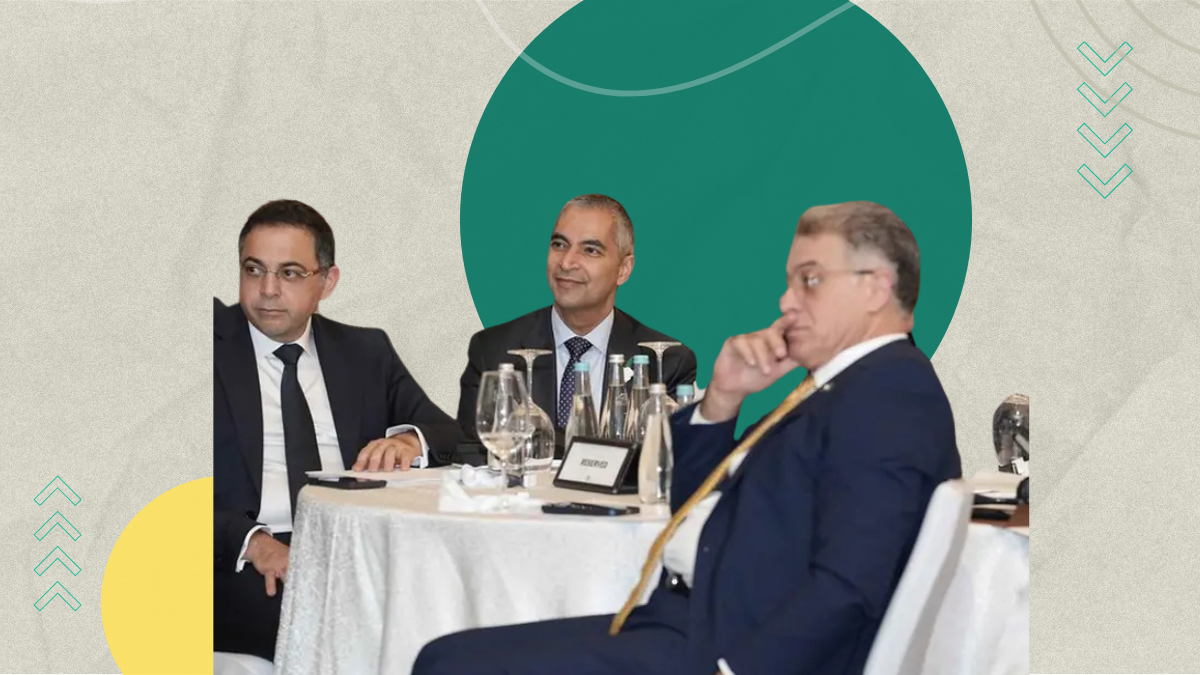
Digitalisation took centre stage in Abu Dhabi this week, as Bahrain’s Central Bank Governor Khalid Humaidan argued that smarter tech isn’t just a nice-to-have anymore — it’s becoming the backbone of financial stability. His comments came during a panel on emerging risks in Arab financial systems at the 20th High-Level Meeting on financial stability, which brought together regional heavyweights alongside representatives from the Arab Monetary Fund and the Bank for International Settlements.
What stood out, at least to me, was how firmly he tied financial resilience to real-time data and supervisory technology. SupTech — a term that still makes some people raise an eyebrow — is basically about giving regulators quicker visibility into what’s happening in the market. Humaidan highlighted how tools like enhanced analytics and live data streams can help spot vulnerabilities before they snowball. Spot on, really, because anyone who lived through the 2008 mess will tell you that slow reaction times can cost a fortune.
He also pointed out that the region is at a bit of a turning point. Digital adoption isn’t only happening in payments anymore; it’s creeping into credit assessment, collateral systems and even day‑to‑day regulatory processes. And believe it or not, that could become a genuine growth engine. Faster services, wider access and decisions based on actual data rather than hunches… it’s hard to argue with that direction, though I reckon the challenge will be finding enough talent to keep all this innovation moving. Building digital infrastructure is one thing; building the people who can run it is another.
On the flip side, it wasn’t all about Bahrain. The panel also included Palestine Monetary Authority Governor Yahya Shunnar and Bank Al-Maghrib’s Director General Abderrahim Bouazza, with the discussion steered by AMF’s Fahad Alturki. From what was reported, the conversation leaned heavily toward collective regional preparedness — a theme we hear often in MENA fintech circles, including when chatting with founders around Arageek who say regulation can sometimes be a bit of a faff to keep up with.
What I appreciated, though, was the insistence that regulatory innovation must keep pace with technological innovation. Without that, all the shiny new platforms in the world won’t make a difference. I remember meeting a young Bahraini entrepreneur last year who was chuffed to bits about building an AI-driven credit scoring tool, but… well, I mean, half his struggle was convincing regulators to adopt frameworks flexible enough to work with it.
The takeaway from Abu Dhabi? The region knows where it needs to go. The path is clear — more data, more digitalisation, more resilience — even if walking it won’t always be smooth. And as the sector keeps shifting, it’s definately worth keeping an eye on how each country chooses to balance innovation with stability.
🚀 Got exciting news to share?
If you're a startup founder, VC, or PR agency with big updates—funding rounds, product launches 📢, or company milestones 🎉 — AraGeek English wants to hear from you!




✉️ Send Us Your Story 👇