 LEAP26
 AI
AI Saudi Arabia
 UAE
UAE Egypt
EgyptRentify Secures Sharia Certification, Streamlining Rent Payments in the UAE

4 min
Rent day in the UAE feels like “a mountain to climb” for many tenants.
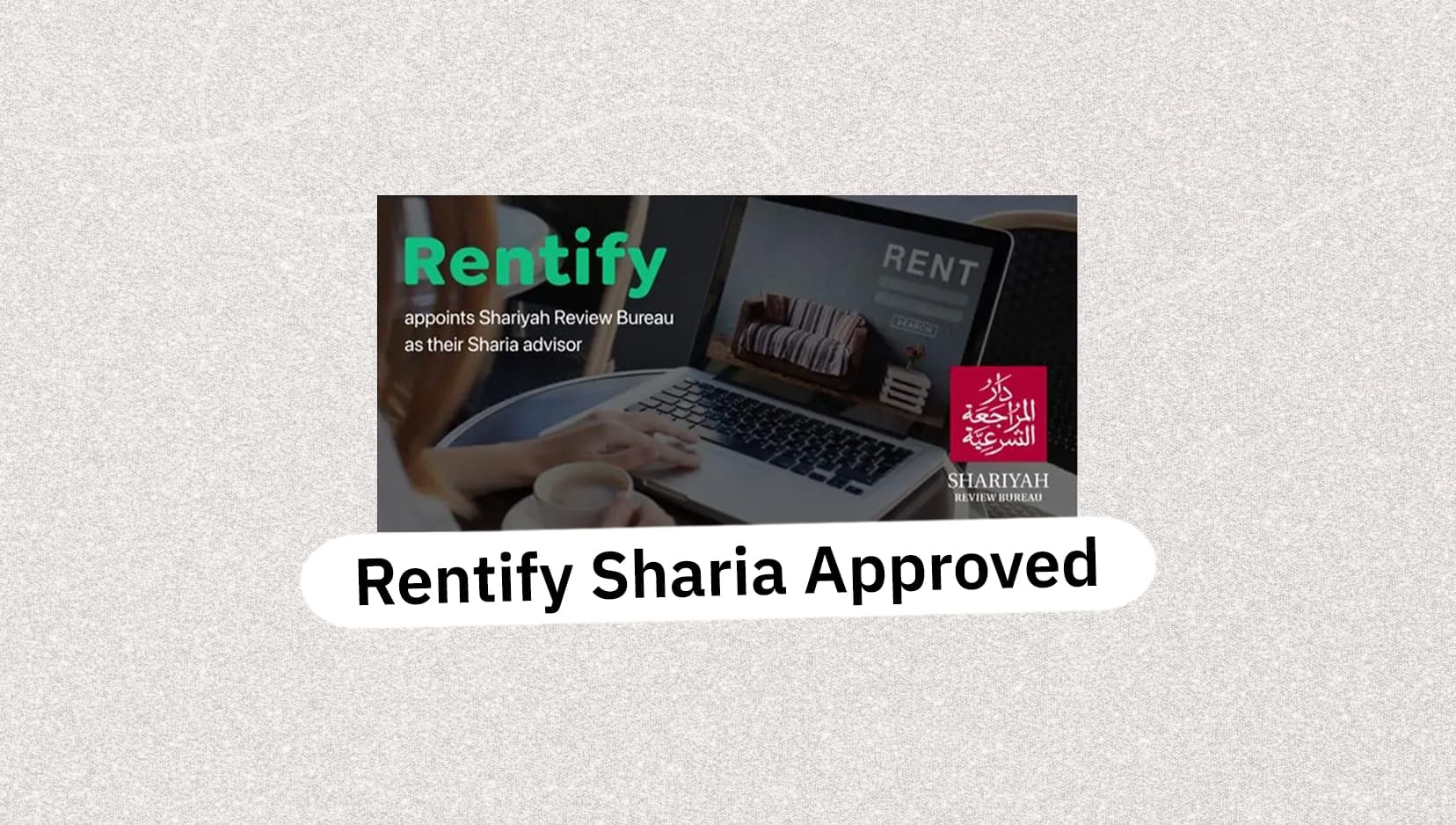
Rentify secured Sharia certification, confirming compliance on fees and payment structures.
Its “Rent Now, Pay Later” model lets tenants split rent into instalments.
Certification builds trust in a region where “trust is currency”.
The move reflects a maturing MENA fintech scene blending innovation with governance.
Across the UAE, rent day can feel like a bit of a mountain to climb. Large cheques, upfront commitments, awkward timing with salaries, you know the drill. That’s why digital rent solutions have been picking up speed, as tenants and landlords look for something more flexible and less of a faff.
One of the latest developments in this space comes from Rentify, a UAE-based platform that enables digital rent payments for tenants and property owners. The company has secured Sharia certification from the Bahrain-based Shariyah Review Bureau (SRB), confirming that its structure and service model comply with Sharia principles, particularly around service fees and financial facilitation.
In simple terms, SRB reviewed how Rentify makes its money and how it structures payments, ensuring the model fits within recognised Sharia guidelines. For a region where Islamic finance standards matter deeply, not just culturally but commercially, this step is more than a badge. It signals careful groundwork.
Rentify offers tenants the ability to split rental payments into instalments through its “Rent Now, Pay Later” (RNPL) option or pay by card under “Rentify Flex”, while landlords can use “Rentify Pay” to manage rental workflows and process payments. The idea is to smooth out the cashflow bumps that often come with lump-sum rental payments. And believe it or not, that pressure is something I hear about constantly from founders and early-stage employees trying to balance bootstrapped budgets with everyday life.
Rashed Hareb, Co-Founder and CEO of Rentify, has previously pointed out that traditional rental structures can place serious financial strain on tenants because of high upfront payments. According to him, Rentify was built to create a more structured digital alternative, one that gives tenants breathing space while offering landlords clearer visibility on incoming payments. It’s a balancing act, but from a fintech perspective, it sounds spot on.
On the compliance side, Hareb noted that securing Sharia certification underlines the company’s focus on transparency and responsible fintech innovation. That transparency piece is key. In this region, trust is currency. Without it, even the slickest app struggles to gain traction.
SRB, which is licensed by the Central Bank of Bahrain, brings nearly two decades of experience in Sharia advisory, certification and governance across financial services and fintech. Its role is to help companies build structures that respect Islamic finance requirements while still allowing room for innovation, no small task in fast-moving tech markets.
Yasser S. Dahlawi, Founder and CEO of SRB, has commented that digital platforms are playing a growing role in making financial transactions more accessible and efficient across sectors. He expressed support for Rentify’s rent payment model, describing it as part of a broader push towards innovative yet compliant financial structures in emerging fintech segments.
From where I stand, after years watching MENA startups hustle for both scale and credibility, I reckon this kind of certification can give young fintechs a real edge. It’s not just about expanding the user base; it’s about aligning with the financial and cultural fabric of the market. That alignment is definately not something you can bolt on later.
That said, the rent-tech space is becoming increasingly competitive. More players are stepping in, and tenants have choices. On the flip side, demand for smarter payment solutions is growing steadily, especially as more residents move towards digital banking and card-based transactions.
For the startup ecosystem across the UAE and wider MENA region, moves like this reflect a maturing fintech landscape, one that blends innovation with governance rather than chasing growth at any cost. And if that balance can be maintained, well… I mean, that’s when the sector really starts to fly.
🚀 Got exciting news to share?
If you're a startup founder, VC, or PR agency with big updates—funding rounds, product launches 📢, or company milestones 🎉 — AraGeek English wants to hear from you!



✉️ Send Us Your Story 👇