 Ai Everything
 LEAP26
 AI
AI Saudi Arabia
 UAE
UAE Egypt
EgyptTalabat Mart Sees 21% Surge in Orders as Ramadan Boosts UAE Quick Commerce

3 min
Talabat mart UAE orders jumped 21% on Ramadan’s first day.
Average basket size rose 3%, as shoppers stocked up.
Top sellers included bananas, water, cucumbers and local tomatoes.
“Structural reliance” on quick commerce reflects changing Ramadan routines.
The company expects sustained high demand through the holy month.
Ramadan has only just begun, and already talabat mart is seeing numbers that would make any operations team sit up straight.
On the first day of the holy month, the UAE arm of talabat’s grocery service recorded a 21% surge in orders compared to the previous Tuesday. Even the average basket size edged up by 3%, a small but meaningful bump that signals shoppers weren’t just browsing, they were stocking up.
If you live in the UAE, this probably doesn’t come as a shock. Ramadan reshapes daily life almost overnight. Routines change, kitchens get busier, and last-minute Iftar prep becomes, well… a bit of a mad dash. I’ve seen founders in our Arageek community juggling investor calls while coordinating grocery deliveries before sunset. Convenience stops being a luxury and becomes essential.
Early figures from talabat mart show clear patterns in what people are buying. Fresh produce and staple items led the charge. During the first six days of Ramadan, the five most sold products were Banana Chiquita, Mai Dubai Drinking Water, Cucumber GCC, Tomatos – UAE, and Al Ain Mineral Drinking Water. Several of these items recorded strong week-on-week growth, reflecting how purchasing behaviour accelerates during this period.
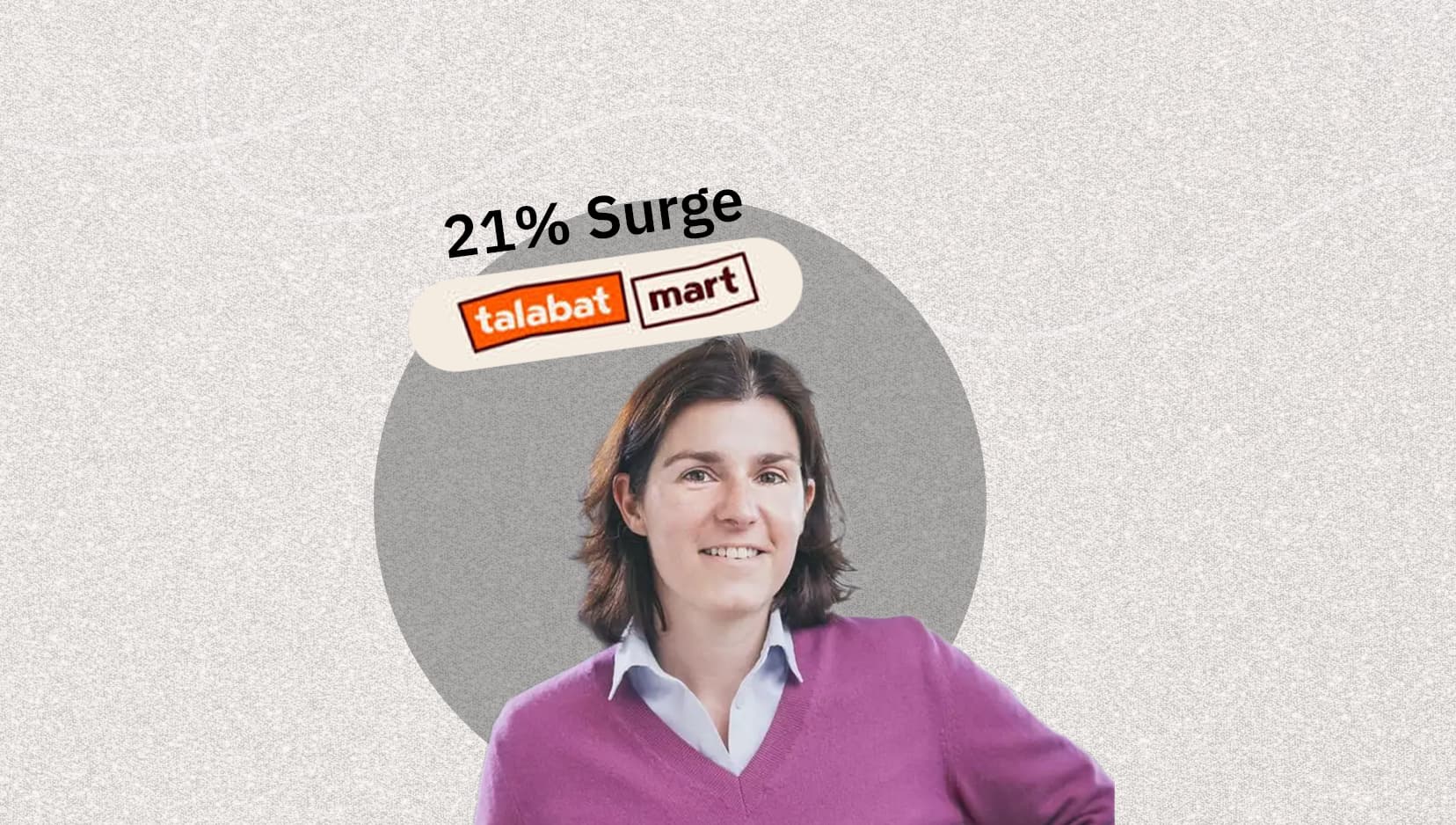
Alix De Zelicourt, General Manager of talabat mart, pointed to something deeper than just seasonal demand. “Ramadan reshapes daily routines, and we see that immediately in customer behavior,” De Zelicourt said. “What we’re seeing is not just seasonal demand, but a structural reliance on quick commerce as households prioritize convenience, speed, and flexibility during peak preparation hours.”
That phrase, structural reliance, stands out. This isn’t simply about one busy evening. It suggests quick commerce has become woven into everyday life, especially during high-pressure moments like Ramadan. And believe it or not, this is where many tech-enabled startups either prove their value or fall flat.
On the flip side, meeting such spikes in demand is no small feat. Fulfilment, rider availability, inventory forecasting, it can be a bit of a faff to get everything spot on. But talabat, founded in Kuwait in 2004 and now headquartered in Dubai, has scale on its side. The company operates across the UAE, Kuwait, Qatar, Egypt, Bahrain, Oman, Jordan and Iraq, serving more than six and a half million active customers as of December 2024. It also completed its IPO on the Dubai Financial Market in December 2024, marking a significant milestone in its growth story.
As a subsidiary of Delivery Hero SE, talabat draws on global tech and operational expertise to fine-tune its model. With thousands of partners and riders across the region, it continues to expand its grocery and retail offerings, aiming to deepen its market penetration in MENA.
With Ramadan only at its start, the company expects elevated demand to continue in the coming weeks, traditionally the peak grocery consumption period of the season. I reckon this trend is definately more than a short-term spike. For startups watching from the sidelines, there’s something to learn here about timing, infrastructure, and being ready when culture and commerce collide.
Ramadan, after all, isn’t just a spiritual month. In markets like the UAE, it’s also a stress test for the digital economy. And so far, talabat mart seems chuffed to bits with how it’s playing out.
🚀 Got exciting news to share?
If you're a startup founder, VC, or PR agency with big updates—funding rounds, product launches 📢, or company milestones 🎉 — AraGeek English wants to hear from you!





✉️ Send Us Your Story 👇