 Ai Everything
 LEAP26
 AI
AI Saudi Arabia
 UAE
UAE Egypt
EgyptMeska Spark Gathers Egypt’s AI Pioneers for Startup Growth and Collaboration

4 min
Meska Spark Vol.
2 gathered Egypt’s AI founders, investors and corporates at Cairo’s Creativa Innovation Hub.
The event mixed panels, demos and workshops to move startups from “hype to real products”.
Speakers challenged AI “noise”, stressing business models, customer value and scalability.
Nine startups pitched, while partners like Huawei Cloud pushed practical cloud adoption.
A Meska AI and PTS Holdings partnership promised real funding and venture studio support.
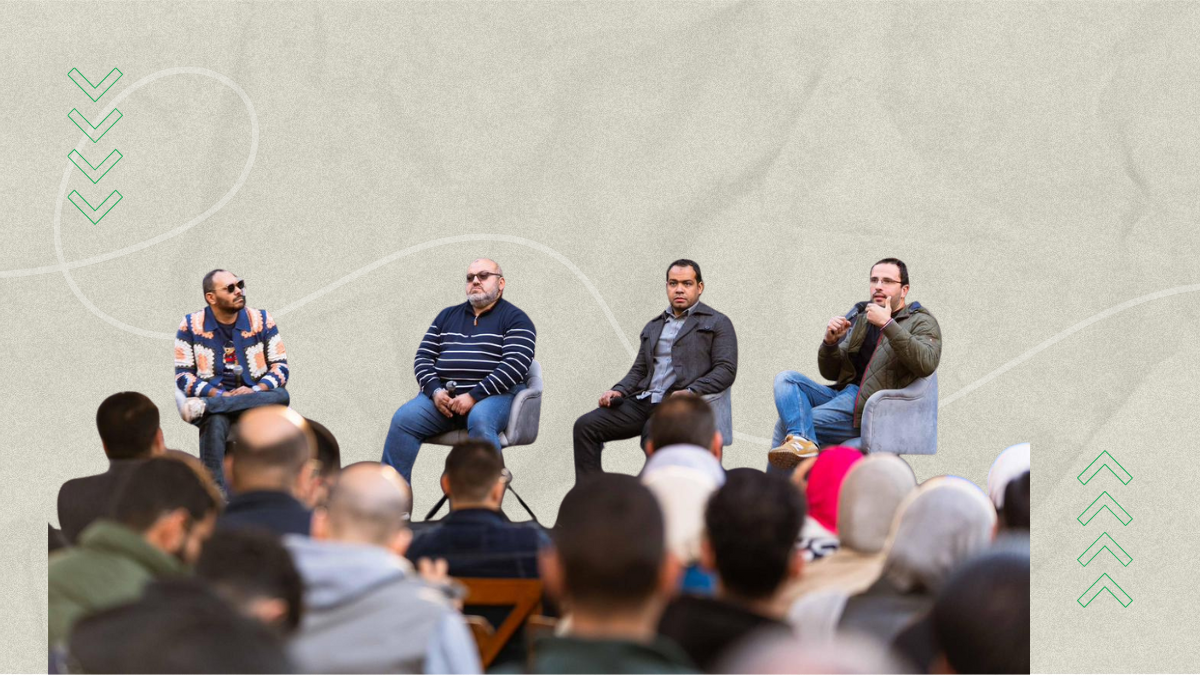
Cairo was buzzing on Friday as Meska AI hosted the second edition of Meska Spark at the Creativa Innovation Hub opposite Cairo University, drawing a solid mix of AI founders, investors, corporate leaders and technologists. The vibe felt familiar to anyone who’s spent time around startup rooms in the region — ambitious, slightly chaotic, but very much spot on for where artificial intelligence conversations are heading in Egypt right now.
The event, Meska Spark Vol.2, was set up as more than just a talk shop. It blended panel discussions, startup demos, workshops and good old-fashioned networking, all with the same goal: helping early-stage AI companies move from hype to real, scalable products that enterprises can actually use. I’ve seen plenty of founders across the MENA region wrestle with that exact jump, and, speaking as someone who’s been around these ecosystems for a while at Arageek, it’s often where things fall apart… or finally click.
A long list of partners backed the event, including Huawei Cloud, DDS Startup Gate, WUZZUF, Recruitera, VOOM, Mil, XPTS Projects, ORO, EMPIRE, KEMTIX Ventures, CORE and PTS Holdings. That mix alone says something. It’s not just startups talking to startups anymore; corporates and cloud providers clearly want a seat at the table.
The main programme ran from mid-afternoon to evening, opening with remarks from Meska AI co-founder Nabil Khalifa, who spoke about the company’s journey in supporting founders and building a more sustainable AI collaboration ecosystem in Egypt. His fellow co-founder Omar El‑Moneir later echoed the point, stressing that no single player can carry this market forward alone. That idea of shared responsibility came up again and again.
Four panel sessions dealt with some fairly hard truths. One looked at how to prepare the next generation of entrepreneurs for an AI-driven world, focusing on the need to balance technical depth with commercial awareness. Another cut through what one speaker called the “noise” around AI, examining which use cases actually work for businesses heading into 2026. Frankly, I reckon this kind of realism is overdue; I’m not a fan of shiny demos that never survive first contact with customers.
Investors also had their say. A session led by Khalifa unpacked what venture capital firms are really looking for in AI startups, from business models to scalability, while a final panel explored how both large companies and startups can benefit from AI transformation without turning it into a bit of a faff.
On the startup side, nine companies pitched across three demo rounds, alongside a live demonstration from Recruitera showcasing AI-driven hiring tools. Huawei Cloud also ran dedicated sessions and one-to-one meetings to promote cloud adoption, which, believe it or not, remains a stumbling block for some early teams.
Workshops rounded things out, covering topics from AI ethics and compliance to digital twins, IoT and AI-powered strategic planning. Ethical and regulatory awareness, in particular, felt like a timely addition — especially for founders hoping to sell into large organisations or regulated industries.
One of the more concrete outcomes was a strategic partnership signed during the event between Meska AI and PTS Holdings. Under the agreement, Meska AI joins PTS Holdings as a founding partner, opening the door for its graduates to access venture studio services, operational support and priority investment opportunities through PTS-linked entities such as WE and Alpac. For founders, that kind of pipeline can make the difference between endless pitching and actually getting something off the ground.
By the end of the day, the takeaways were clear. Sustainable AI startups need clear business models, real customer value and teams that mix engineering talent with commercial and leadership skills. Media buzz alone won’t cut it — definately not in a market that’s growing up fast. And if events like Meska Spark are any indication, Egypt’s AI ecosystem is starting to focus less on noise and more on impact, which is no bad thing at all.
🚀 Got exciting news to share?
If you're a startup founder, VC, or PR agency with big updates—funding rounds, product launches 📢, or company milestones 🎉 — AraGeek English wants to hear from you!
✉️ Send Us Your Story 👇